
 Pin it
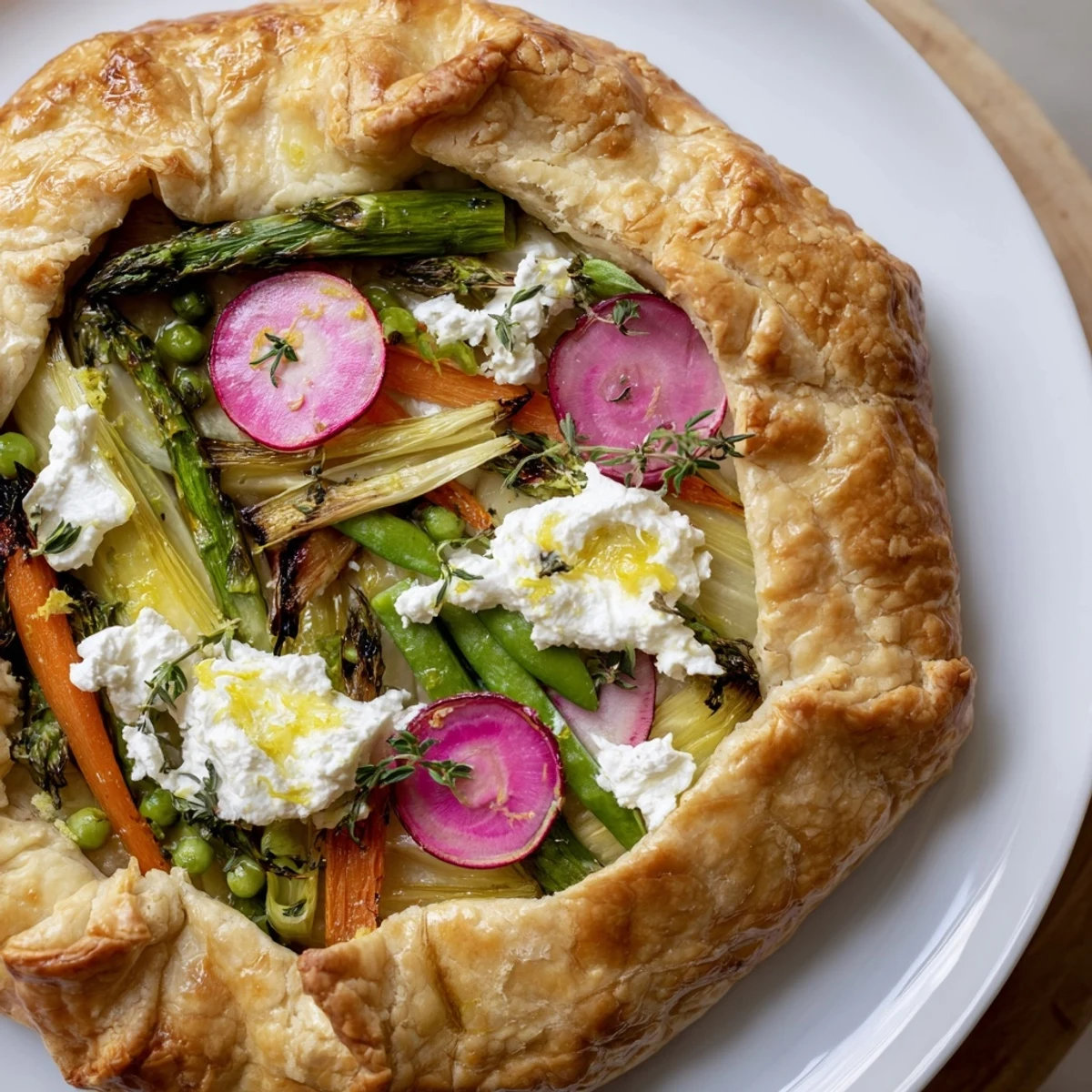
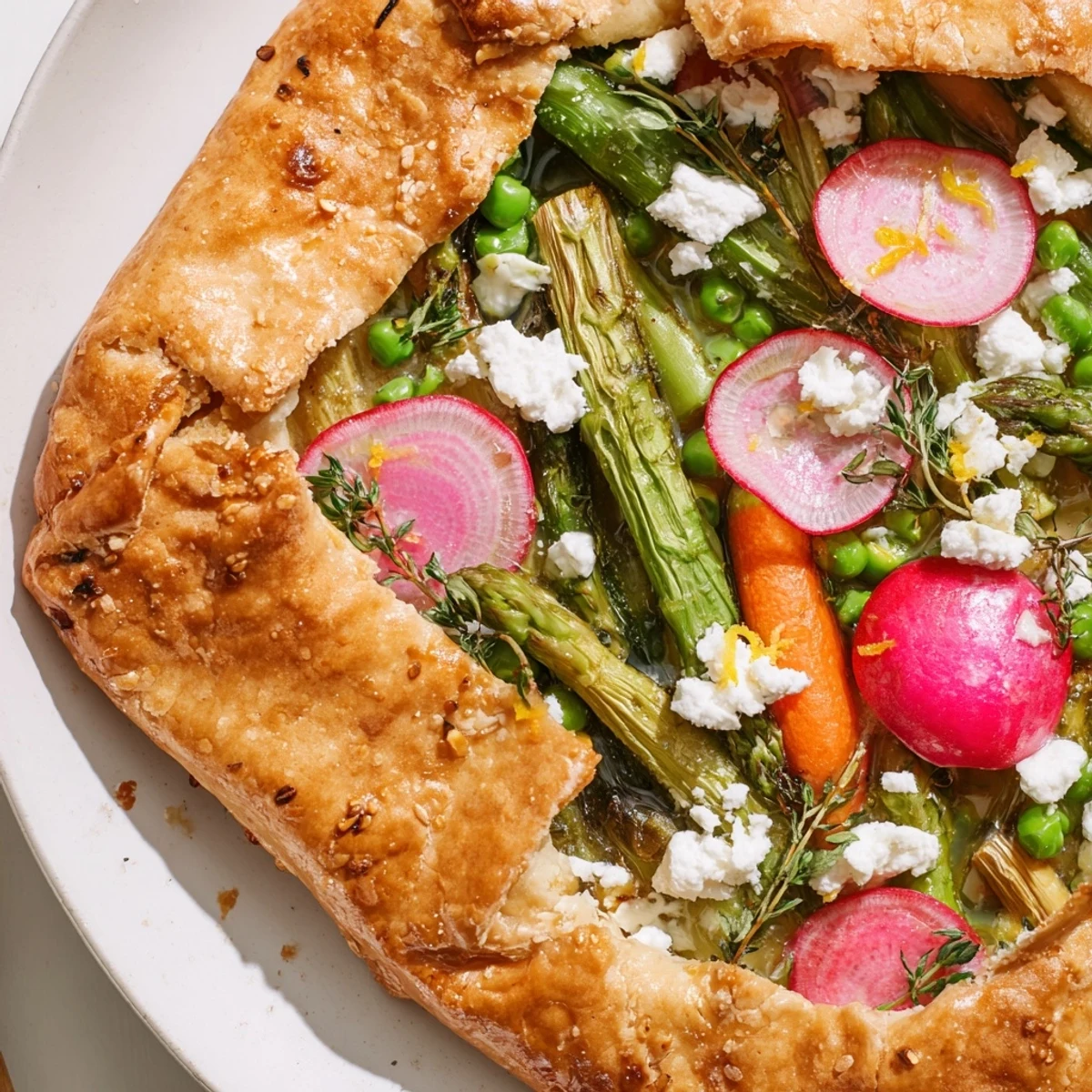
 This rustic galette showcases fresh spring vegetables like asparagus, radishes, and sugar snap peas, combined with creamy goat cheese for a delightful, savory experience. The flaky pastry crust is buttery and tender, folding gently around a colorful medley sautéed in olive oil and seasoned with thyme and lemon zest. Ideal for brunch or a light dinner, this dish pairs wonderfully with crisp white wines. Preparation includes making the pastry, sautéing vegetables until just tender, arranging ingredients on rolled-out dough, and baking until golden.
I discovered galettes during a rainy April weekend when I had too many vegetables from my CSA box and no desire to make a proper pie crust. The rustic, free-form nature of this tart felt liberating—no perfect edges required, just fold and bake. My kitchen smelled like thyme and butter, and something about the uneven pleats made it feel more honest, more like something I'd actually make on a Tuesday evening rather than for a photo shoot.
Last spring, I made this for my friend Sarah's birthday brunch. She'd never had a galette before and kept calling it a 'lazy pie' with genuine affection. We ate it warm from the oven with mimosas, and someone accidentally took the last slice home in a napkin. That's when I knew this wasn't just a recipe—it was the kind of dish that makes people linger around the counter, talking and picking at the crumbs.
Ingredients
- 1 1/4 cups (160 g) all-purpose flour: The foundation of your crust, and keeping everything cold is what makes it flaky
- 1/2 cup (115 g) cold unsalted butter, cut into cubes: Cold butter creates those signature layers in the pastry, so don't let it sit out
- 1/4 tsp salt: Just enough to enhance flavor without overpowering the vegetables
- 1/4 cup (60 ml) ice-cold water: Bring the dough together without overworking it
- 1 tbsp olive oil: For sautéing the vegetables until they're just tender
- 1 cup (100 g) asparagus, trimmed and cut into 1-inch pieces: The quintessential spring vegetable that sweetens beautifully when cooked
- 1/2 cup (60 g) thinly sliced radishes: Adds a lovely pink color and mild peppery bite
- 1 cup (90 g) sugar snap peas, sliced on the diagonal: Stay crisp and sweet, providing texture contrast
- 1/2 cup (60 g) baby carrots, thinly sliced: Roast up naturally sweet and colorful
- 2 scallions, sliced: Mild onion flavor that bridges the vegetables and cheese
- 1/2 cup (100 g) fresh goat cheese, crumbled: Tangy and creamy, creating pockets of richness throughout
- 1 tsp fresh thyme leaves: Earthy and aromatic, thyme pairs perfectly with spring vegetables
- 1 tsp lemon zest: Brightens everything and cuts through the richness
- Salt and freshly ground black pepper, to taste: Don't be shy—season generously
- 1 large egg + 1 tbsp milk: The egg wash gives your crust that golden, bakery-style finish
Instructions
- Mix the pastry dough:
- In a large bowl, combine flour and salt, then add cold butter cubes. Use your fingertips or a pastry blender to work the butter into the flour until the mixture looks like coarse crumbs with some pea-sized pieces remaining. Gradually drizzle in ice water, mixing with your hands just until the dough comes together when squeezed. Shape into a disk, wrap tightly in plastic, and refrigerate for at least 30 minutes—this relaxes the gluten and prevents shrinking.
- Preheat your oven:
- Set your oven to 400°F (200°C) and line a baking sheet with parchment paper. Having everything ready before you start assembling makes the process feel effortless rather than rushed.
- Sauté the vegetables:
- Heat olive oil in a skillet over medium heat and add asparagus, carrots, sugar snap peas, and a pinch of salt. Cook for 3 to 4 minutes until just tender but still bright. Stir in radishes and scallions, cook for 1 minute more, then remove from heat and let cool slightly—hot vegetables can melt your cheese too quickly and make the crust soggy.
- Roll out the dough:
- On a lightly floured surface, roll the chilled dough into a roughly 12-inch circle. Don't worry about making it perfect—galettes are meant to look rustic and handmade. Transfer the dough to your prepared baking sheet.
- Assemble the filling:
- Spread half the crumbled goat cheese over the center of the dough, leaving a 2-inch border all around. Arrange the sautéed vegetables over the cheese, then sprinkle with thyme, lemon zest, salt, pepper, and the remaining goat cheese. The lemon zest goes a long way, so distribute it evenly.
- Create the rustic edge:
- Fold the edges of the dough up over the filling, pleating as you go and leaving the center completely exposed. The pleats don't need to be uniform—each one will brown beautifully in the oven.
- Add the egg wash:
- Whisk together the egg and milk until combined, then brush over the folded pastry edge. This step is purely aesthetic but makes such a difference in the final presentation.
- Bake to golden perfection:
- Bake for 35 to 40 minutes until the crust is deeply golden brown and crisp, and the vegetables are tender. Let cool for at least 10 minutes before slicing—this allows the filling to set slightly and makes serving much easier.
 Pin it
 This recipe became my go-to for bringing to new parents or neighbors—the kind of dish that says I'm thinking of you without requiring me to spend all day in the kitchen. Last month, my neighbor texted me at 10 pm asking for the recipe because her husband kept talking about 'that vegetable tart' days later.
Making It Your Own
I've made this galette with whatever vegetables look best at the farmers market—sometimes it's zucchini and peppers in high summer, or roasted root vegetables in fall. The technique stays the same, just adjust your vegetable cooking time accordingly. Harder vegetables need longer in the skillet, while delicate ones like cherry tomatoes can go in raw.
The Wine Question
A crisp Sauvignon Blanc cuts through the goat cheese beautifully, but honestly I've served this with everything from rosé to light red wines. The key is something acidic enough to stand up to the cheese without overpowering the vegetables. My personal favorite is a dry Provence rosé—it just tastes like spring in a glass.
Serving Suggestions
This galette works for brunch, lunch, or a light dinner paired with a simple green salad dressed with lemon vinaigrette. I've served it at room temperature for picnics, and it travels surprisingly well if you're careful. The honey drizzle mentioned in the notes is not optional—it's the secret ingredient that makes people ask what's in it.
- A drizzle of honey right before serving adds a subtle sweetness that ties everything together
- Fresh herbs like chives or basil sprinkled on top add color and freshness
- Leftovers reheat beautifully in a 350°F oven for about 10 minutes
 Pin it
 There's something deeply satisfying about making something that looks this impressive with such humble technique. That's the beauty of a galette—it tastes like you spent hours, but only you know the truth.
Recipe FAQs
- → What vegetables are used in this galette?
-
Asparagus, radishes, sugar snap peas, baby carrots, and scallions are included for a fresh spring flavor.
- → Can I substitute the goat cheese?
-
Yes, a mild ricotta or feta cheese can be used to maintain a creamy texture and tangy taste.
- → How is the pastry dough prepared?
-
Flour, cold butter, salt, and ice water are combined to form a flaky dough, chilled before rolling out.
- → What is the purpose of the egg wash?
-
Brushing egg and milk on the crust edges creates a golden, glossy finish once baked.
- → How long should the galette bake?
-
Bake for 35 to 40 minutes at 400°F (200°C) until the crust is crisp and golden brown.
- → Can other spring vegetables be used?
-
Zucchini, leeks, or other seasonal vegetables work well as alternatives or additions.
