
 Pin it
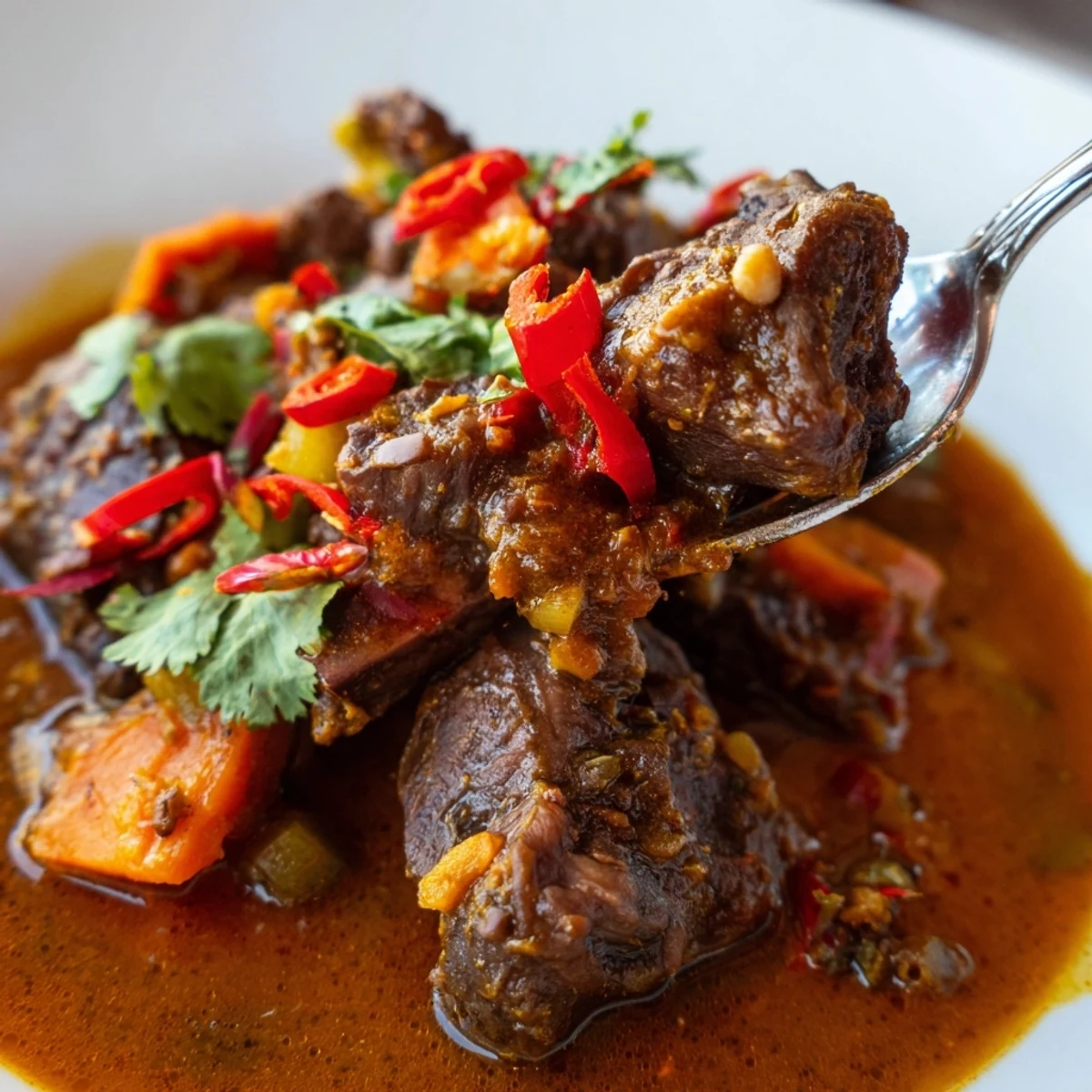
 This Cambodian-inspired beef rib ragu transforms tough cuts into meltingly tender meat through slow braising in a fragrant blend of lemongrass, ginger, turmeric, and coriander. The coconut milk creates a luxurious sauce that balances the deep beef flavors with Southeast Asian brightness, while vegetables add sweetness and depth.
Perfect for weekend cooking, this dish develops complexity over 2-3 hours of gentle simmering. The finished ragu pairs beautifully with steamed jasmine rice or crusty bread to soak up the spiced coconut sauce.
The first time I encountered this Cambodian Rib Ragu, I was at a small dinner party where the host spent hours tending to a bubbling pot. The entire apartment smelled incredible—lemongrass mingling with slow-cooked beef and coconut milk. When she finally lifted the lid, the ribs were falling apart, the sauce rich and glossy. One taste and I knew I had to recreate that magic in my own kitchen.
Last winter, I made a massive batch for my family during a rainy weekend. My brother, who usually complains about anything too exotic, went back for thirds. Even my dad asked for the recipe, which never happens. There is something about that combination of familiar slow-cooked beef and those bright Southeast Asian flavors that makes people immediately comfortable yet intrigued.
Ingredients
- Beef short ribs: Bone-in adds incredible depth to the sauce as the collagen breaks down during long cooking
- Coconut milk: Creates that velvety rich base while tempering the spices with subtle sweetness
- Lemongrass: The essential aromatic that gives this dish its signature bright, citrusy fragrance
- Fish sauce: Do not skip this—it provides that deep umami backbone that makes everything taste restaurant-quality
- Tomato: Bridges the gap between traditional ragu and Southeast Asian flavors
- Palm sugar: Balances the savory elements and helps caramelize the meat
- Turmeric and coriander: Earthy spices that warm everything without overpowering
- Red bell pepper: Adds natural sweetness and beautiful color contrast
Instructions
- Sear the ribs until deeply golden:
- Pat them completely dry with paper towels first, then let them develop a serious crust in the hot oil. This creates flavor you cannot get any other way.
- Build your aromatic base:
- Sauté the vegetables and aromatics until softened, but do not rush this step. Let the onions turn translucent and the lemongrass release its perfume.
- Wake up the spices:
- Add your turmeric, coriander, and chili flakes to the vegetable mixture. Toast them for just a minute until they become fragrant.
- Combine everything and bring to a gentle simmer:
- Return the ribs to the pot, add your liquids and seasonings, then bring everything up to heat slowly. You want a lazy bubble, not a rolling boil.
- Let it cook low and slow:
- Cover the pot and maintain that gentle simmer for 2 to 2½ hours. Check occasionally, but do not fuss too much.
- Finish with attention:
- For the last 30 minutes, uncover the pot to let the sauce thicken. Taste and adjust with more fish sauce or palm sugar until it sings.
 Pin it
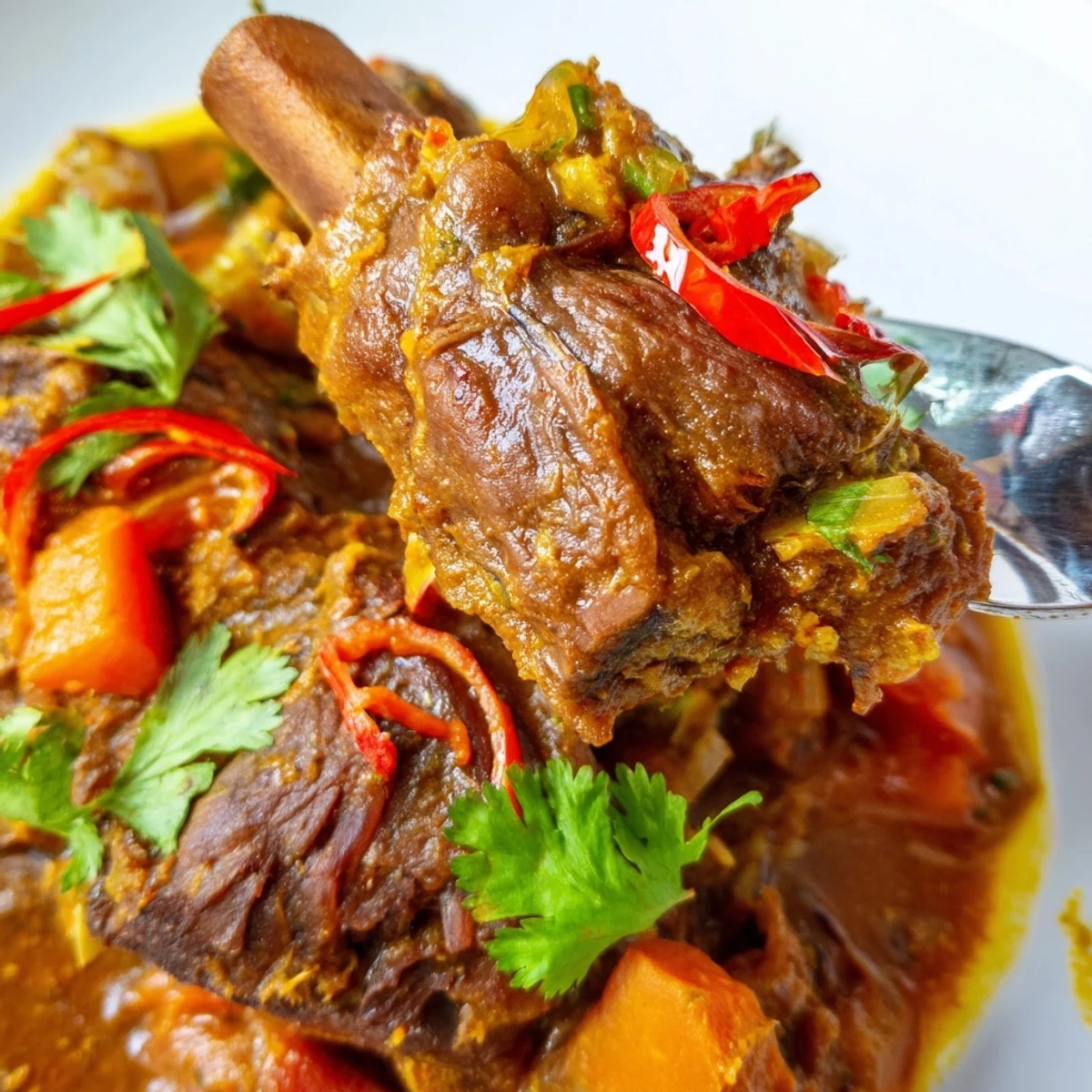
 This ragu has become my go-to for dinner parties because it tastes even better made a day ahead. I love serving it when friends come over, watching their faces as they take that first bite. The way the tender beef, creamy sauce, and bright aromatics come together always sparks the best conversations around the table.
Getting the Right Consistency
Sometimes the sauce finishes thinner than you want, and that is perfectly normal. The coconut milk can separate slightly during long cooking, giving you a slightly broken appearance but still incredible flavor. If it needs thickening, let it simmer uncovered a bit longer, or mash a few rib pieces into the sauce to create a naturally rich body. Trust your instincts—ragu is forgiving and meant to be rustic.
Making It Your Own
The beauty of this dish is how it adapts to what you have or prefer. I have made it with pork ribs when beef felt too rich, and the result was equally delicious. During autumn, I sometimes add chunks of pumpkin or sweet potato in the last hour. You can dial up the heat with more chili flakes or keep it mild for sensitive palates.
Serving Suggestions
This ragu deserves something that can stand up to its bold flavors. Jasmine rice is traditional and perfect for soaking up that fragrant sauce. A crusty baguette works surprisingly well, bridging the gap between ragu and Southeast Asian stew. For a lighter meal, I have served it over noodles or even with roasted vegetables on the side.
- Fresh herbs are not just garnish here—they provide a bright contrast to the rich sauce
- A squeeze of lime right before serving wakes everything up beautifully
- Leftovers freeze exceptionally well for those nights you need comfort fast
 Pin it
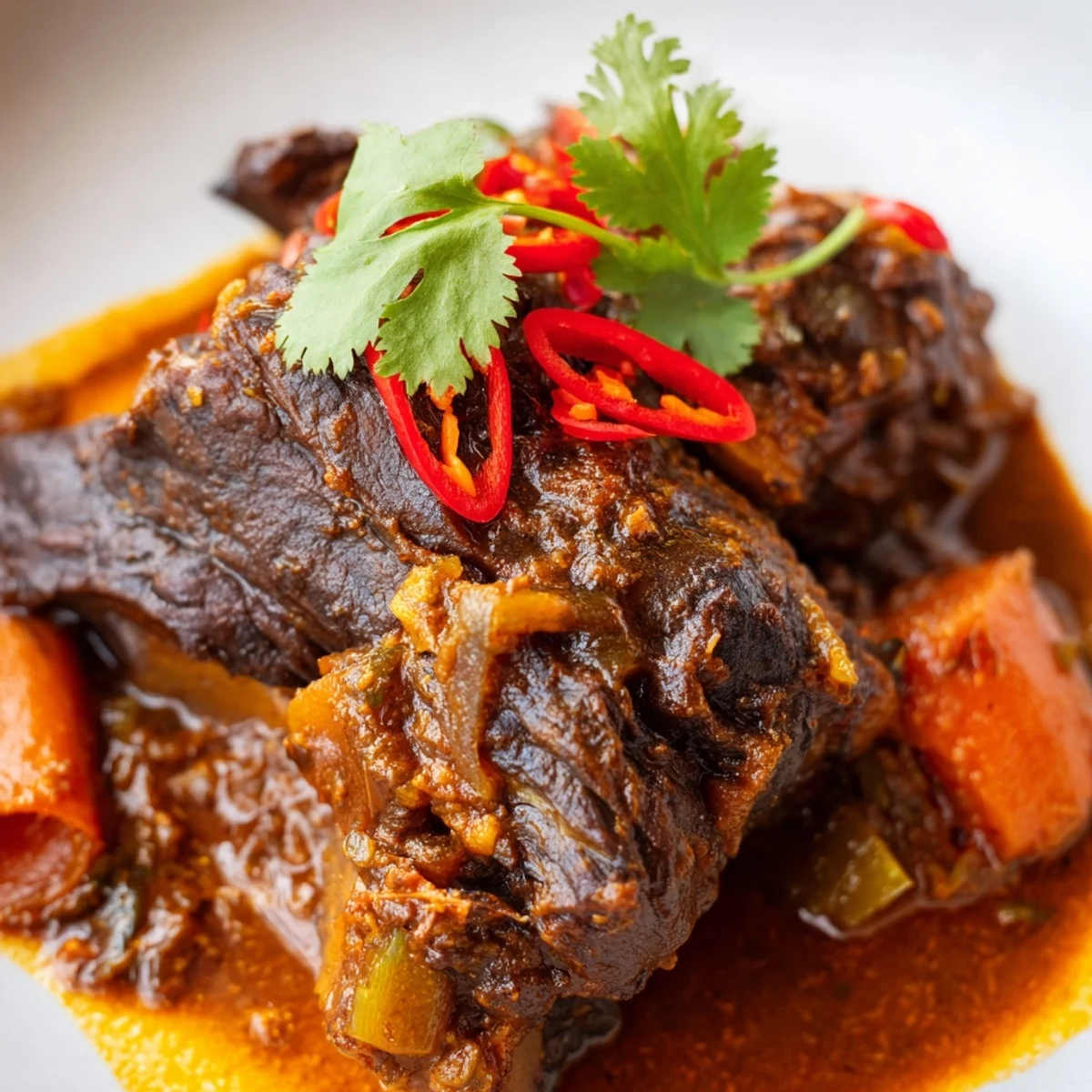
 This Cambodian Rib Ragu has that magical quality of feeling both exotic and deeply comforting. Once you make it, you will understand why it is become one of those recipes I return to again and again.
Recipe FAQs
- → What cut of beef works best for this ragu?
-
Bone-in beef short ribs are ideal because they're rich in collagen, which breaks down during slow cooking to create tender meat and a naturally thick, silky sauce. The bones also add deep flavor to the broth.
- → Can I make this in a slow cooker?
-
Absolutely. Sear the ribs first, then transfer everything to your slow cooker. Cook on low for 6-8 hours or high for 4-5 hours until the meat is fork-tender. You may need to reduce the liquid slightly less since slow cookers retain more moisture.
- → How can I make the sauce thicker?
-
Uncover the pot during the last 30 minutes of cooking to allow evaporation and reduction. Alternatively, remove some of the meat and vegetables, purée a portion of the remaining sauce, then combine everything back together.
- → Is there a fish sauce substitute?
-
You can use additional soy sauce or a pinch of salt with a splash of Worcestershire sauce. For a vegetarian option, try mushroom soy sauce or a combination of miso paste and soy sauce to maintain that savory depth.
- → Can I prepare this ahead of time?
-
This ragu actually tastes better the next day as flavors meld and develop. Make it up to 3 days ahead and refrigerate. The fat will rise to the top—simply skim it off before reheating gently over low heat.
- → What vegetables can I add?
-
Diced potatoes, pumpkin, or sweet potato work beautifully when added during the last hour of cooking. Eggplant also absorbs the spiced coconut sauce well and adds creamy texture.
