
 Pin it
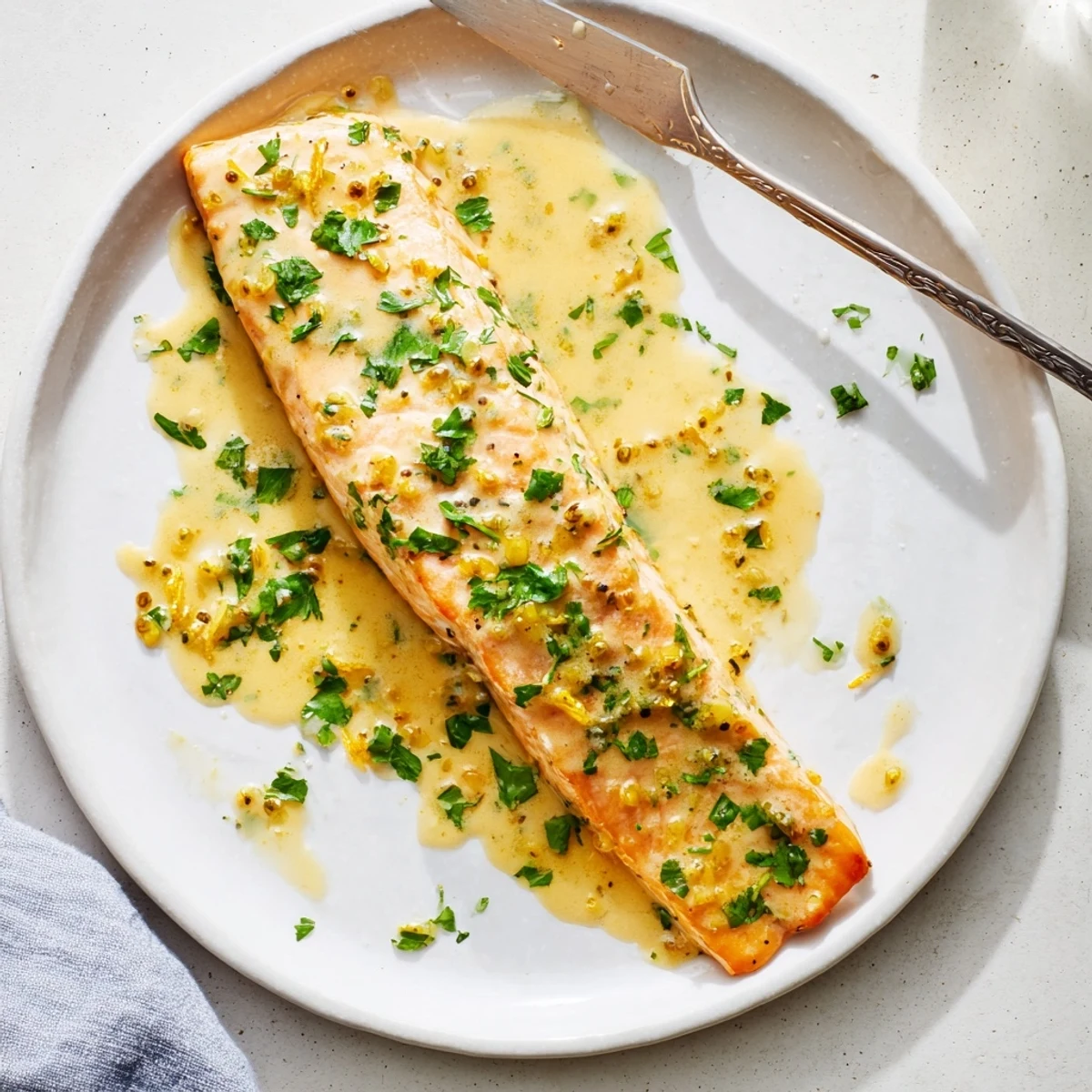
 This elegant dish features perfectly pan-seared salmon fillets with a golden exterior and tender, flaky interior. The crowning glory is a vibrant lemon cream sauce—rich, velvety, and bright with fresh citrus notes. Ready in just 30 minutes, it strikes the perfect balance between sophistication and simplicity for weeknight dinners or special occasions.
The sizzle of salmon hitting a hot pan is one of those sounds that makes everyone in the house suddenly appear in the kitchen, pretending they just happened to walk through. My friend Clara taught me this recipe during a rainy Tuesday when we had nothing planned and a fridge full of cream. That lemon cream sauce almost didn't happen because I nearly forgot to buy lemons, but a neighbor saved us with two from her backyard tree.
I served this to my mother in law on her first visit after my wedding and she actually set down her phone, which was the highest compliment I have ever received in my kitchen. She asked for the recipe before she left and I pretended I had it memorized when really I was winging it based on what Clara told me.
Ingredients
- 4 skinless salmon fillets about 170 g each: Try to buy fillets of similar thickness so they cook evenly and no one gets a dried out piece while waiting for the thickest one to finish.
- 2 tablespoons butter: Unsalted butter gives you control over the seasoning and makes the sauce taste cleaner.
- 2 cloves garlic minced: Fresh garlic only here because the jarred stuff gets a weird bitterness when it hits cream.
- 1 cup heavy cream: This is not the place for light cream because it will not thicken properly and you will end up with a thin soup instead of a luxurious sauce.
- Zest of 1 lemon: A microplane makes this effortless and the zest carries way more perfume than the juice alone.
- 2 tablespoons fresh lemon juice: Roll the lemon on the counter before juicing to get every last drop out of it.
- 1 teaspoon Dijon mustard: This is the secret ingredient that makes people wonder what is in the sauce without being able to place it.
- 2 tablespoons fresh parsley chopped: Flat leaf parsley has better flavor but curly works fine if that is what you have.
- Salt and freshly ground black pepper: Season in layers, once on the fish and again when you taste the sauce at the end.
- 1 tablespoon olive oil: A neutral oil works too but olive oil adds a nice fruity undertone to the sear.
Instructions
- Dry and season the salmon:
- Pat each fillet thoroughly with paper towels until the surface feels barely damp, then season both sides generously with salt and pepper while the pan heats up so the seasoning has a moment to penetrate.
- Sear the fillets:
- Heat olive oil in a large nonstick skillet over medium high heat until you see the first wisps of smoke, then lay the salmon in gently starting from the side closest to you and let it cook undisturbed for four to five minutes until a golden crust forms before flipping once.
- Build the garlic base:
- Remove the salmon and keep it warm on a plate loosely tented with foil, then reduce the heat to medium and melt the butter in the same skillet, letting the garlic sizzle for about a minute until your kitchen smells impossibly good.
- Make the lemon cream sauce:
- Pour in the heavy cream and bring it to a gentle simmer, stirring in the lemon zest, lemon juice, and Dijon mustard, then let it bubble softly for three to four minutes until it coats the back of a spoon like velvet.
- Finish with parsley and adjust:
- Stir in the chopped parsley and taste the sauce carefully, adding more salt or pepper or even a tiny squeeze more lemon juice until it sings.
- Bring it all together:
- Nestle the salmon fillets back into the skillet and spoon the sauce over the top repeatedly, letting everything simmer together for two to three minutes so the fish absorbs the flavors and the sauce turns slightly richer from the salmon juices.
- Serve and enjoy:
- Transfer to warm plates immediately with extra parsley and lemon slices if you are feeling fancy, because this dish waits for no one and tastes best when the sauce is still bubbling.
 Pin it
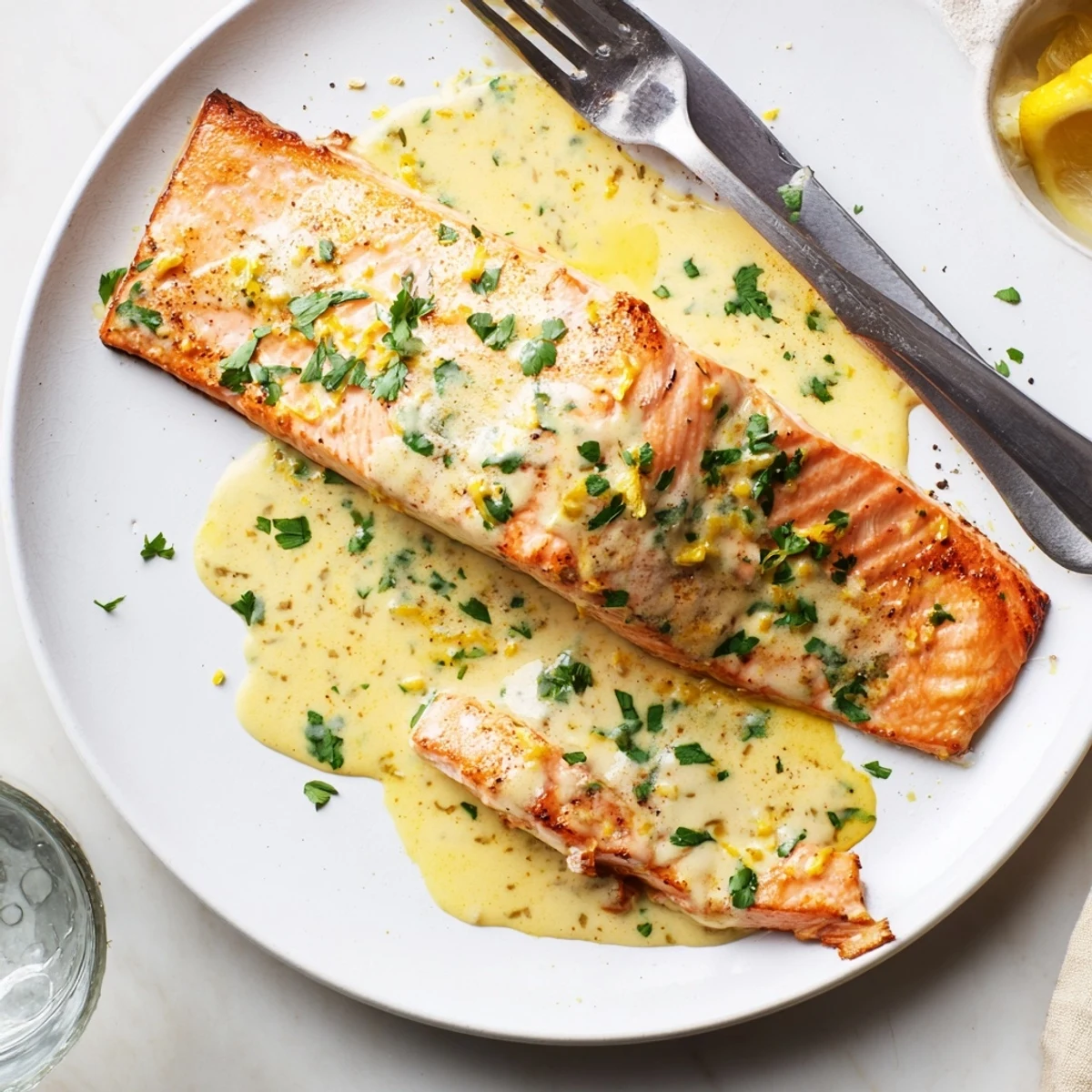
 There is something about the color of golden salmon against that pale creamy sauce with flecks of green parsley that makes you feel like you made something far fancier than thirty minutes of effort warrants.
What To Serve Alongside
Mashed potatoes are my go-to because they soak up every drop of that lemon cream sauce like edible sponges. Steamed asparagus or green beans add a welcome crunch and brightness that balances the richness. A simple mound of basmati rice works beautifully too if you want something neutral to carry the flavors.
Making It Lighter
You can swap the heavy cream for half and half but the sauce will be thinner and you should simmer it a bit longer to concentrate it. Another trick is using a tablespoon of cornstarch slurry at the end to give it body without the full fat content.
Storage and Reheating
Leftovers keep well in the fridge for up to two days but the sauce may separate slightly when reheated. Warm it gently over low heat rather than microwaving at full power. The fish reheats best when brought to room temperature for ten minutes first so it warms evenly throughout without toughening.
- Store the salmon and sauce together in an airtight container to keep everything moist.
- A splash of cream stirred in during reheating helps bring separated sauce back together.
- Never reheat salmon more than once because the texture deteriorates quickly after the second round.
 Pin it
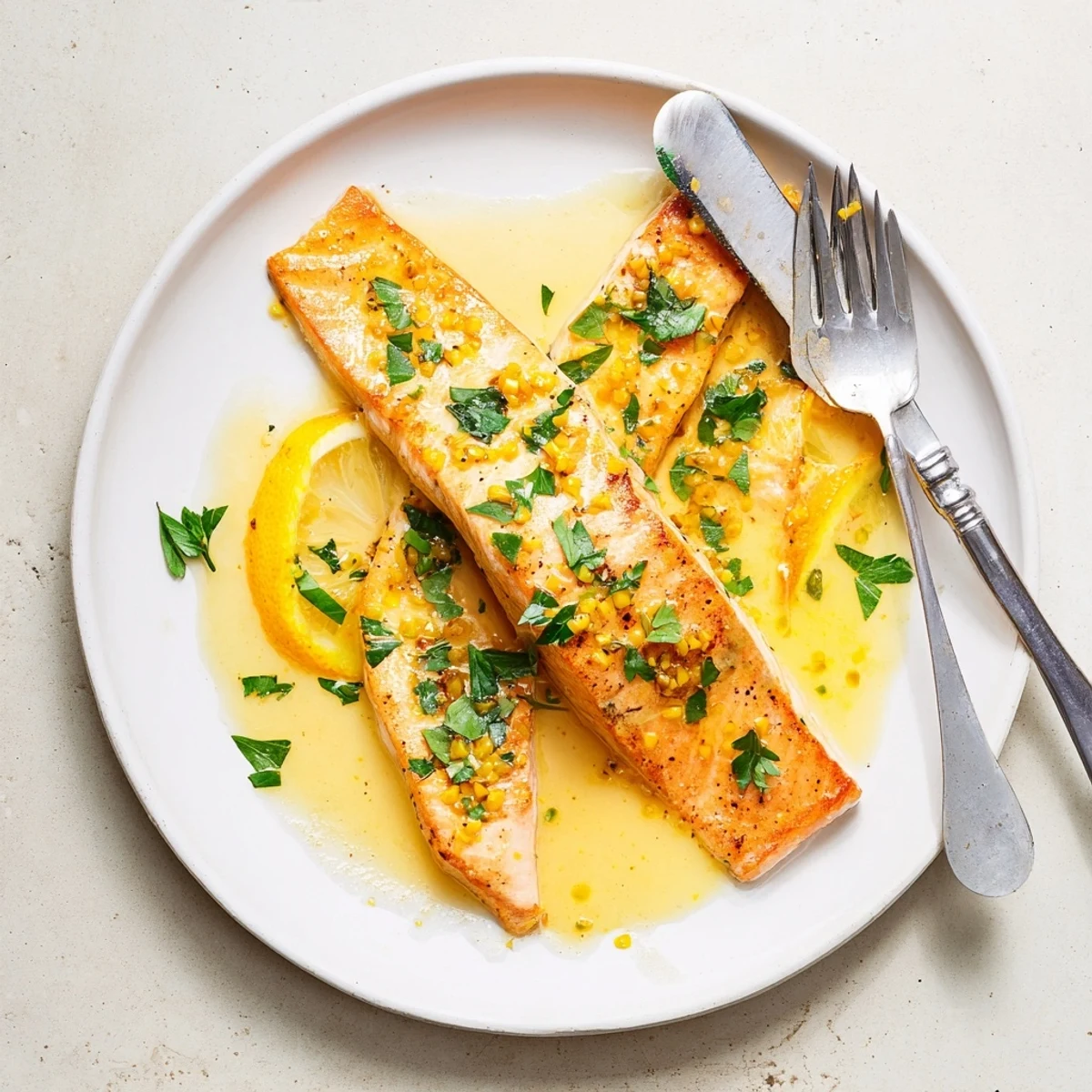
 This is the kind of recipe that turns an ordinary weeknight into something worth sitting down for, with candles if you are feeling ambitious. Keep it in your back pocket for the nights when you want to impress without stress.
Recipe FAQs
- → How do I know when the salmon is done?
-
Insert a fork into the thickest part of the fillet—it should flake easily. The internal temperature should reach 145°F (63°C). The salmon will continue cooking slightly after removal from heat.
- → Can I use salmon with skin?
-
Absolutely. Sear skin-side down first for 4-5 minutes until crispy, then flip. The skin adds delightful texture and helps keep the fillet moist during cooking.
- → What sides work best?
-
Steamed asparagus, roasted broccoli, or sautéed spinach complement the creamy sauce beautifully. For starch, try mashed potatoes, wild rice, or crusty bread to soak up extra sauce.
- → Can I make the sauce ahead?
-
The sauce can be made 1-2 hours ahead and gently reheated. Add a splash of cream if it thickens too much. For best results, prepare fresh salmon and combine just before serving.
- → How do I prevent the cream sauce from separating?
-
Keep heat at medium-low—high heat can cause cream to curdle. Stir continuously and don't let it boil vigorously. Adding the lemon juice gradually while stirring also helps maintain smooth texture.
- → Can I substitute frozen salmon fillets?
-
Yes, thaw completely and pat thoroughly dry before seasoning. Excess moisture prevents proper searing. Allow frozen fillets to thaw overnight in the refrigerator for best texture.
