
 Pin it
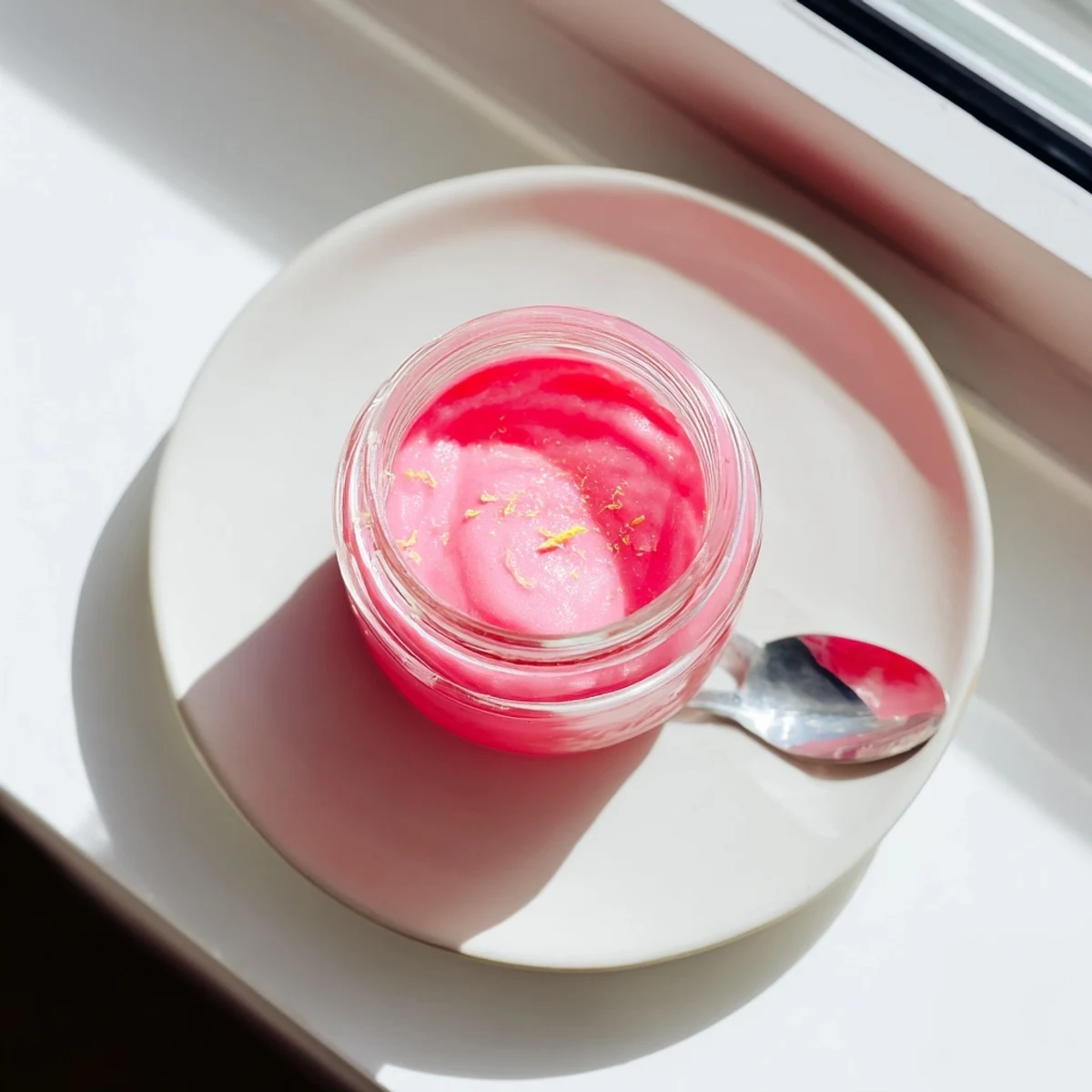
 Create a stunning pink lemon curd that balances bright citrus notes with rich, creamy texture. This British-inspired spread uses fresh pink lemons for their unique floral sweetness and natural rosy tint. The double boiler method ensures silky smooth results without scrambling the eggs.
Whisk together juice, zest, sugar, eggs, and yolks over gentle heat until thickened. Finish with butter for luxurious mouthfeel, then strain for absolute smoothness. The resulting curd sets beautifully in the refrigerator, keeping for up to two weeks.
Enhance the natural pink color with raspberry juice if desired. This versatile spread elevates everything from morning toast to elegant layered cakes, or swirl into yogurt for an instant dessert upgrade.
The first time I spotted pink lemons at the farmers market, I thought someone was playing a trick on me. Their blush-colored skin felt almost too pretty to juice, but curiosity won out. That afternoon I made my first batch of pink lemon curd, and the way it caught the afternoon light coming through the jar stopped me in my tracks. Now it's become my secret weapon for last-minute dessert emergencies and afternoon tea emergencies alike.
Last spring my sister dropped by unexpectedly with fresh scones and a craving for something tart. I whipped this curd while she brewed tea, barely finishing before she walked through the door. Watching her eyes widen at the color, then close in pure appreciation after that first bite it's one of those kitchen moments I keep tucked away for rainy days.
Ingredients
- Fresh pink lemon juice: The real star here, Pink lemons have a gentler, almost floral citrus profile that regular lemons can't quite match
- Pink lemon zest: Those oils carry the perfume of the curd, so use a microplane and zest gently before juicing
- Granulated sugar: Don't reduce this, sugar does more than sweeten it balances the acidity and helps create that silky texture
- Eggs and egg yolks: The yolks provide richness while the whole eggs add structure, creating that perfect spoon-coating consistency
- Unsalted butter: Room temperature pieces incorporate more easily, creating that velvety finish that separates good curd from great curd
Instructions
- Set up your double boiler:
- Grab a heatproof bowl that sits snugly over a saucepan without touching the water, then fill the pan with an inch or two of water and bring it to a gentle simmer
- Whisk the base:
- In your bowl, combine the eggs, yolks, sugar, juice, and zest, whisking until completely smooth and no sugar crystals remain visible
- Cook with patience:
- Place the bowl over the simmering water and whisk without stopping, cooking until the mixture thickens enough to coat the back of a spoon and leaves a clear trail when you drag your finger through it
- Emulsify the butter:
- Remove from heat completely, then whisk in the butter one piece at a time, letting each piece disappear before adding the next
- Perfect the color:
- If you want that deeper pink hue, stir in a teaspoon of fresh raspberry juice or a drop of natural coloring now
- Strain for silkiness:
- Pour the curd through a fine-mesh sieve into a clean bowl, pressing gently to remove any bits of cooked egg or zest
- Let it set:
- Cool to room temperature, then transfer to sterilized jars and refrigerate for at least two hours to achieve that perfect spreadable consistency
 Pin it
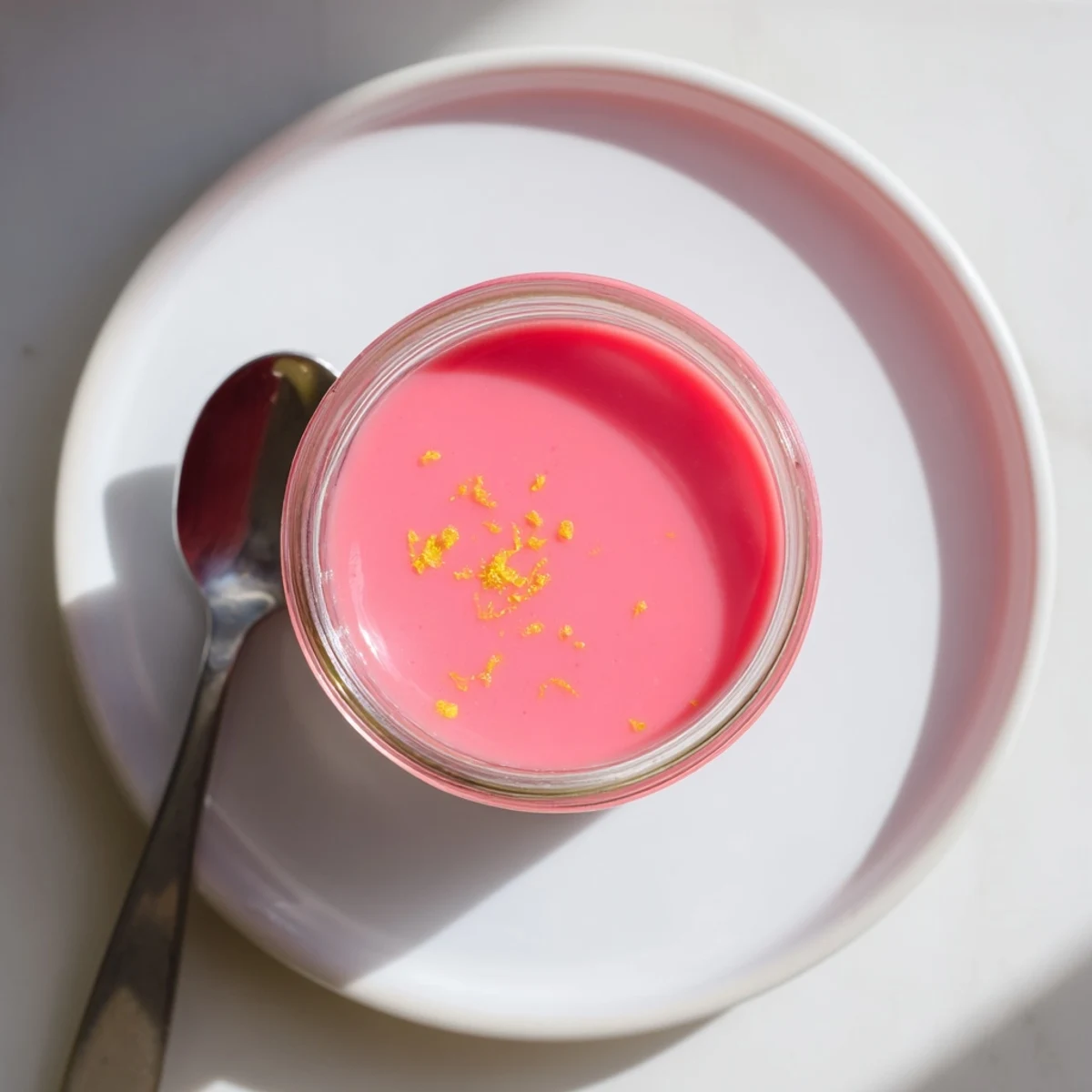
 Something magical happens when you serve this curd to people who've never seen pink lemon anything before. Their curiosity transforms into delight, and suddenly a simple morning toast feels like a special occasion worth savoring.
Choosing Your Pink Lemons
Look for pink lemons that feel heavy for their size with slightly give when you press gently. The skin should have that distinctive blush, ranging from pale pink to almost coral, and they should smell intensely citrusy. If you can't find true pink lemons, regular lemons work perfectly well just adjust your coloring to get that signature hue.
Storage and Shelf Life
This curd keeps beautifully in the refrigerator for up to two weeks, though in my house it rarely survives more than a few days. Use sterilized jars for the longest shelf life, and always use a clean spoon when serving. For longer storage, freeze portions in small containers they thaw beautifully overnight in the refrigerator.
Serving Ideas and Pairings
Beyond the obvious toast and scones, try swirling this curd into plain Greek yogurt for an instant breakfast upgrade. It's exceptional as a filling between lemon cake layers, piped into tart shells, or even spooned over vanilla ice cream for an easy dessert. The color makes it particularly stunning layered in parfaits or served in a clear glass bowl.
- A dollop on top of cheesecake adds both color and welcome acidity
- Whisk a tablespoon into buttercream frosting for a pink lemonade cupcake that stops conversation
- Warm slightly and drizzle over fresh berries for an elegant but effortless dessert
 Pin it
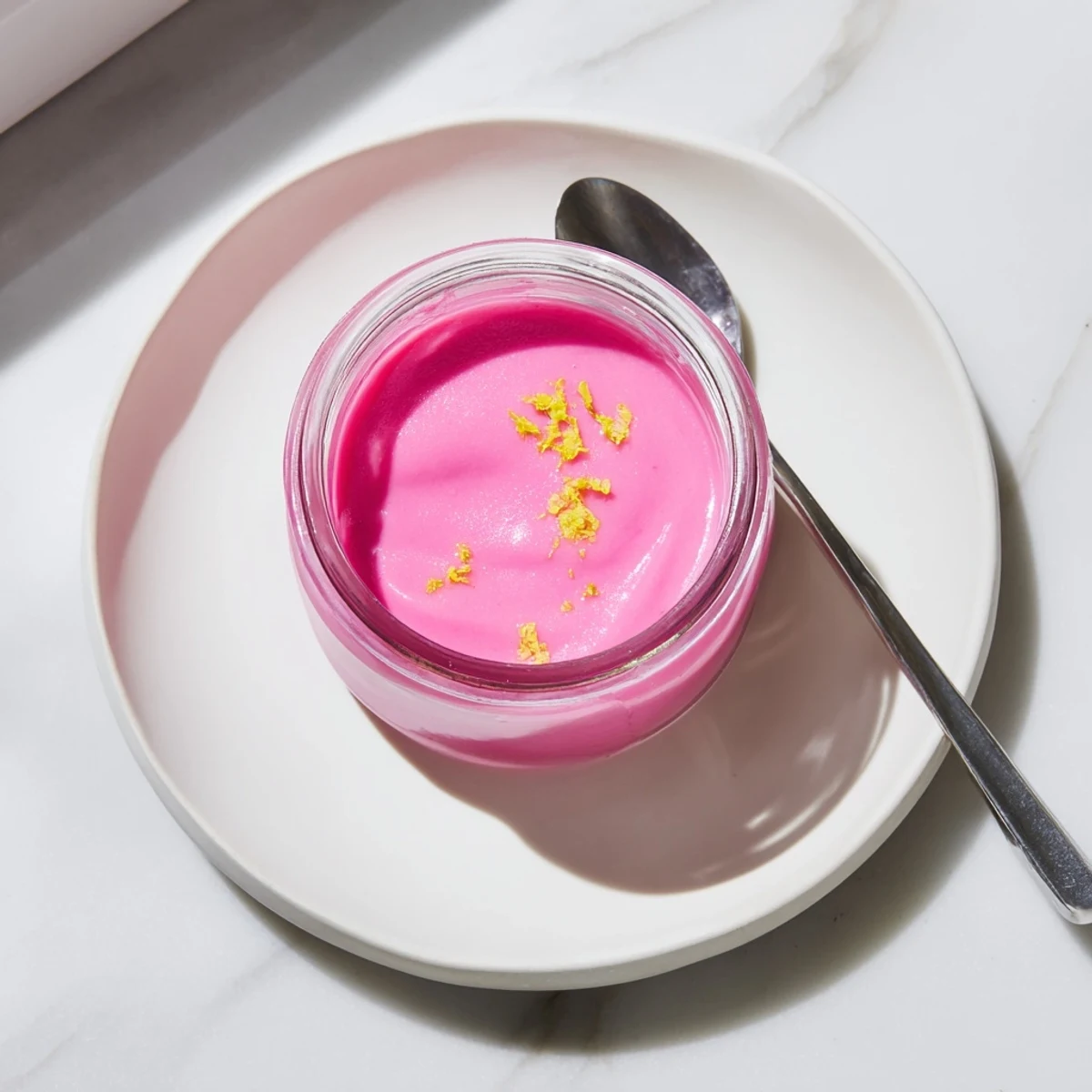
 There's something deeply satisfying about making something so beautiful from such simple ingredients. Keep a jar in your refrigerator, and you'll find yourself reaching for it far more often than you'd expect.
Recipe FAQs
- → What makes pink lemons different from regular lemons?
-
Pink lemons, also called variegated pink lemons, have a milder, more floral flavor compared to standard lemons. Their skin features green-striped patterns and the flesh naturally has a blush hue. They're less acidic with subtle berry notes.
- → How do I know when the curd is thick enough?
-
The curd is ready when it reaches 170°F (77°C) and coats the back of a wooden spoon. Run your finger through the coating on the spoon—if the line holds distinct and clean, the curd has properly thickened.
- → Can I use regular lemons instead of pink lemons?
-
Absolutely. Regular lemons work perfectly, though the curd will have a more tart, classic lemon flavor and yellow color. Add natural pink food coloring or raspberry juice to achieve the signature rose hue.
- → Why strain the curd after cooking?
-
Straining removes bits of cooked egg and lemon zest, ensuring absolutely silky texture. This step takes just seconds but makes a noticeable difference in the final smoothness of your spread.
- → How long does homemade pink lemon curd last?
-
Properly refrigerated in sterilized jars, the curd keeps for up to two weeks. Always use a clean spoon when serving to prevent contamination. The high acidity and sugar content act as natural preservatives.
- → Why use a double boiler instead of direct heat?
-
Gentle, indirect heat prevents the eggs from scrambling while still allowing the mixture to thicken properly. Direct heat would cook the eggs too quickly, resulting in a grainy texture rather than smooth creaminess.
