
 Pin it
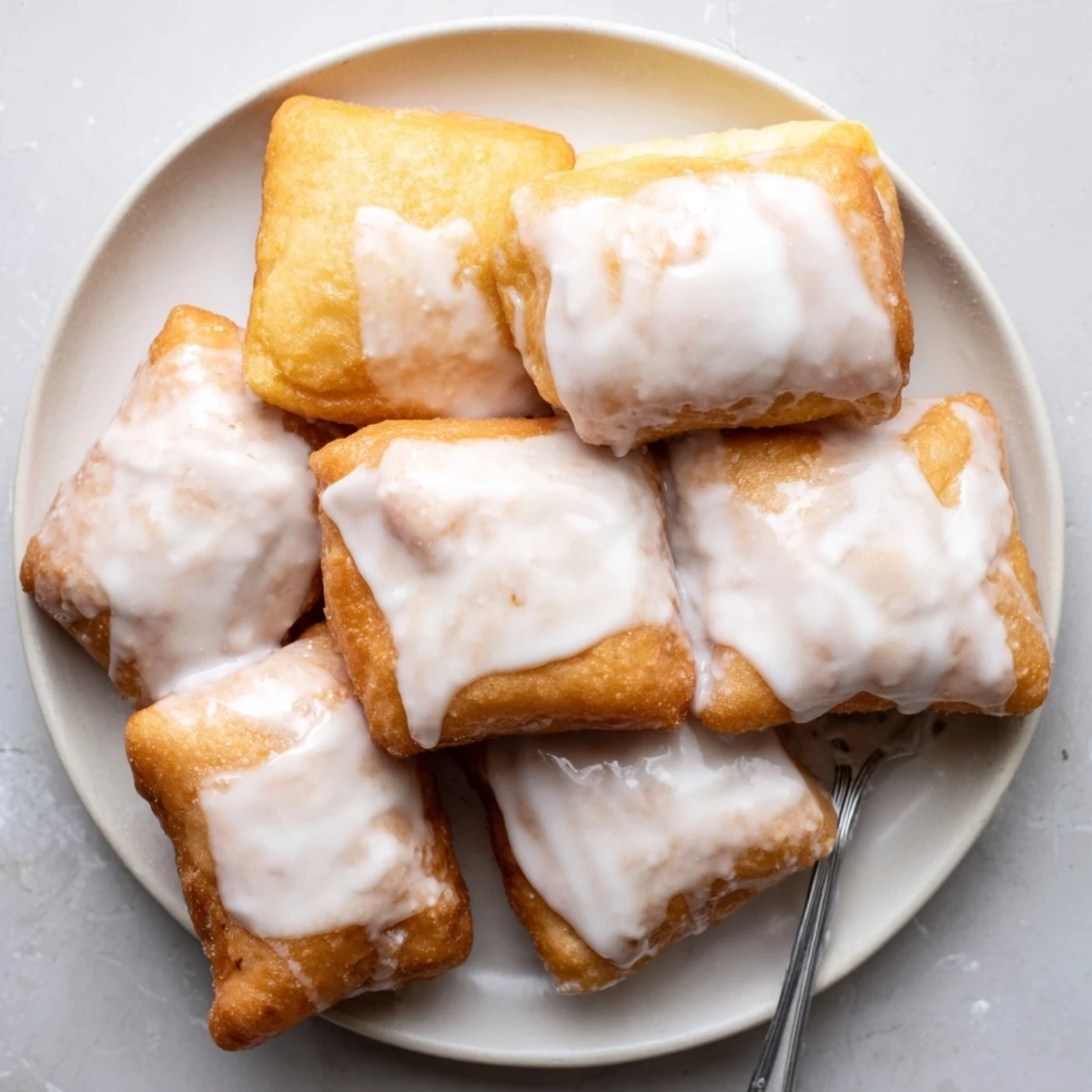
 These pillowy beignet squares deliver the perfect balance of tangy buttermilk flavor and satisfying sweetness. The dough achieves remarkable lightness through proper rising and gentle handling, while the vanilla glaze adds just enough sweetness without overwhelming the delicate crumb. Best served warm alongside freshly brewed coffee or café au lait for an authentic experience.
The first time I made beignets, it was a rainy Saturday morning and I was desperately trying to recreate that magical New Orleans cafe experience in my tiny apartment kitchen. The yeast took forever to wake up, and I ended up pacing around checking on it like an expectant parent. When that first batch hit the hot oil, the sound was unlike anything I'd heard before, a gentle sizzle that turned into an enthusiastic bubble. My kitchen smelled like vanilla and warm dough, and suddenly the rain outside didn't matter anymore.
Last winter, my sister came over during that awful week when everything felt gray and heavy. We made these together, standing over the pot of oil in our pajamas, dipping warm squares into glaze and eating them standing up because we couldn't wait. She told me later that those twenty minutes of frying dough together were the highlight of her month. Now every time she visits, she gives me that look that means she expects beignets, and honestly, I'm happy to oblige.
Ingredients
- 3 ½ cups all-purpose flour: This is your foundation, and I've learned through too many tough beignets that measuring by weight (440g) gives you consistent results every single time
- 2 ¼ tsp active dry yeast: Fresh yeast makes all the difference, so check that expiration date before you start or your dough won't rise properly
- ¼ cup granulated sugar: This feeds the yeast and adds just enough sweetness to the dough itself without competing with the glaze
- ¾ tsp kosher salt: Don't skip this, it actually enhances all the other flavors and keeps the beignets from tasting flat
- ½ cup buttermilk: The secret weapon here, its natural acidity tenderizes the gluten and gives these beignets their signature subtle tang
- ½ cup whole milk: Combined with buttermilk, this creates the perfect protein structure for a fluffy, pillowy interior
- 2 large eggs: Room temperature eggs incorporate better into the dough, so take them out of the fridge about 30 minutes before you start
- 3 tbsp unsalted butter: Melt it and let it cool slightly so it doesn't cook your eggs when you mix everything together
- 4 cups vegetable oil: You need this much oil to maintain temperature, and trust me, trying to fry with less oil is just frustrating
- 2 cups powdered sugar: Sift it first or you'll end up with lumpy glaze, and nobody wants that disappointment after all your hard work
- ¼ cup whole milk (for glaze): Start with less and add more as needed, you want the glaze thick enough to coat but thin enough to drip elegantly
- 1 tsp pure vanilla extract: Use the real stuff, imitation vanilla has a weird aftertaste that you'll notice in something this simple
Instructions
- Whisk your dry foundation:
- In a large bowl, combine flour, yeast, sugar, and salt until they're evenly distributed, ensuring the yeast won't hit any concentrated pockets of sugar or salt that could interfere with activation
- Blend the wet mixture:
- In a separate bowl, whisk together buttermilk, milk, eggs, and melted butter until the mixture is uniform and slightly frothy from the eggs
- Bring dough together:
- Create a well in the center of your dry ingredients, pour in the wet mixture, and stir with a wooden spoon until you have a shaggy, sticky dough that's beginning to hold together
- Knead until smooth:
- Turn the dough onto a floured surface and knead for 6 to 8 minutes until it's smooth, elastic, and springs back when you poke it with your finger, or let your stand mixer do the work for 5 minutes
- Let it rise:
- Place your dough in a lightly oiled bowl, cover with plastic wrap or a warm towel, and let it rise in a draft-free spot for 60 to 75 minutes until it's doubled in size
- Roll and cut:
- Punch down the risen dough gently, roll it out on a floured surface to about ½ inch thickness, and cut into 2 inch squares using a sharp knife or pastry cutter
- Rest the squares:
- Arrange your beignet squares on a parchment-lined tray, cover loosely with a towel, and let them rest for 20 minutes to puff up slightly before frying
- Heat the oil:
- Pour oil into a deep pot and heat to 350°F, using a kitchen thermometer if you have one, because oil that's too cool makes greasy beignets and oil that's too hot burns the outside before the inside cooks
- Fry to golden perfection:
- Carefully drop beignets into the hot oil, frying only 3 to 4 at a time for 1 to 2 minutes per side until they're puffed and golden brown, then remove with a slotted spoon and drain on paper towels
- Prepare the glaze:
- Whisk together powdered sugar, milk, and vanilla until completely smooth, adjusting with tiny amounts of milk if needed until it reaches the consistency of heavy cream
- Glaze while warm:
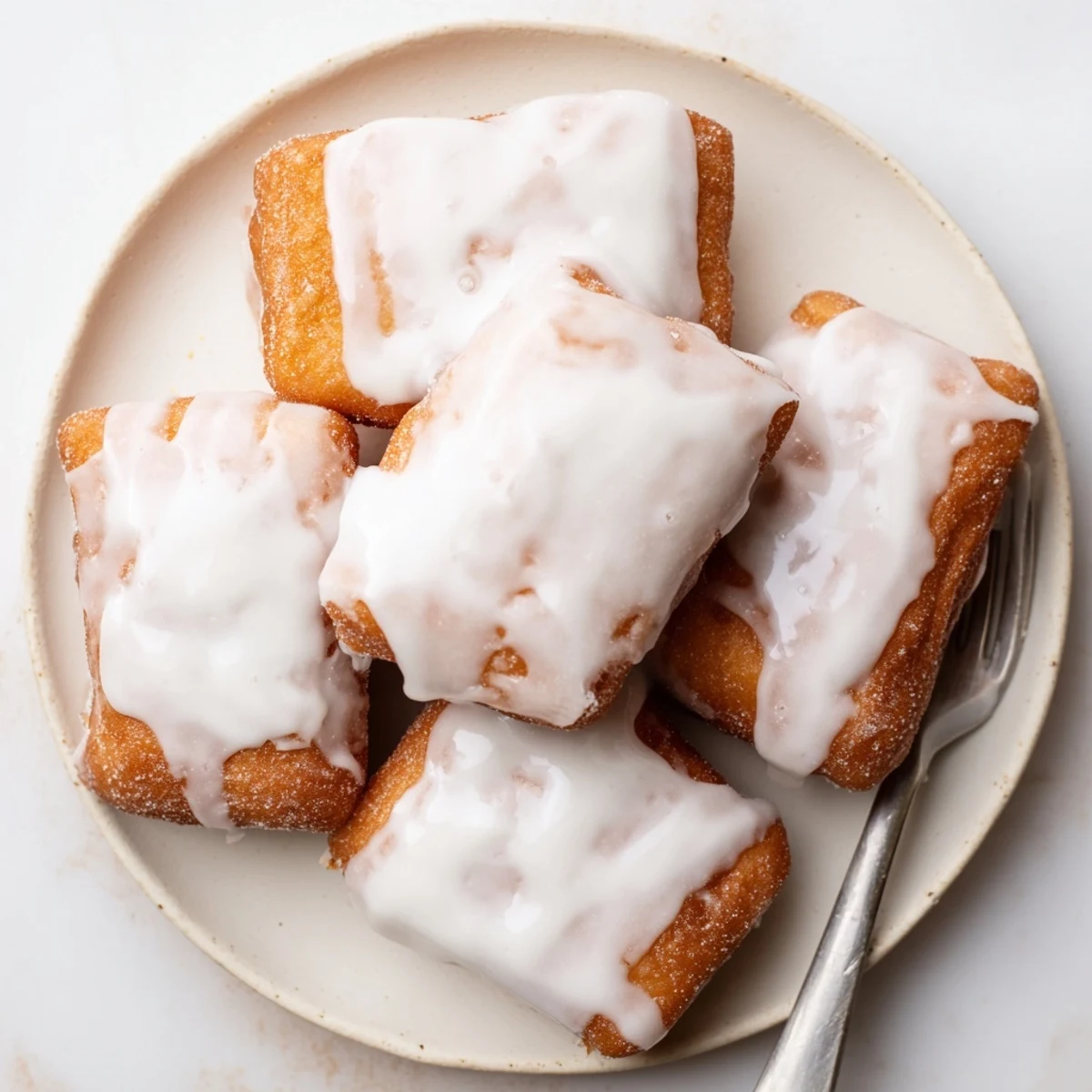
- Dip each warm beignet into the glaze, letting excess drip off for a second, then place on a wire rack set over parchment paper to catch the drips while the glaze sets
 Pin it
 These beignets became a weekend tradition during my first year of teaching, when every Friday felt like a small victory worth celebrating. I'd make a batch in the afternoon and eat them while grading papers, the sugar giving me just enough energy to power through. Now they're my go-to comfort food, the edible equivalent of a warm blanket and a good book.
The Perfect Oil Temperature
After dozens of batches, I've learned that 350°F is the sweet spot for beignets, but maintaining that temperature is an art form. If you don't have a thermometer, you can test if the oil is ready by dropping in a small piece of dough, it should sizzle immediately and rise to the surface within a few seconds. If the dough sinks and stays down, your oil is too cold, and if it browns instantly, it's too hot. Keep a close eye and adjust your heat as needed throughout the frying process.
Getting The Glaze Right
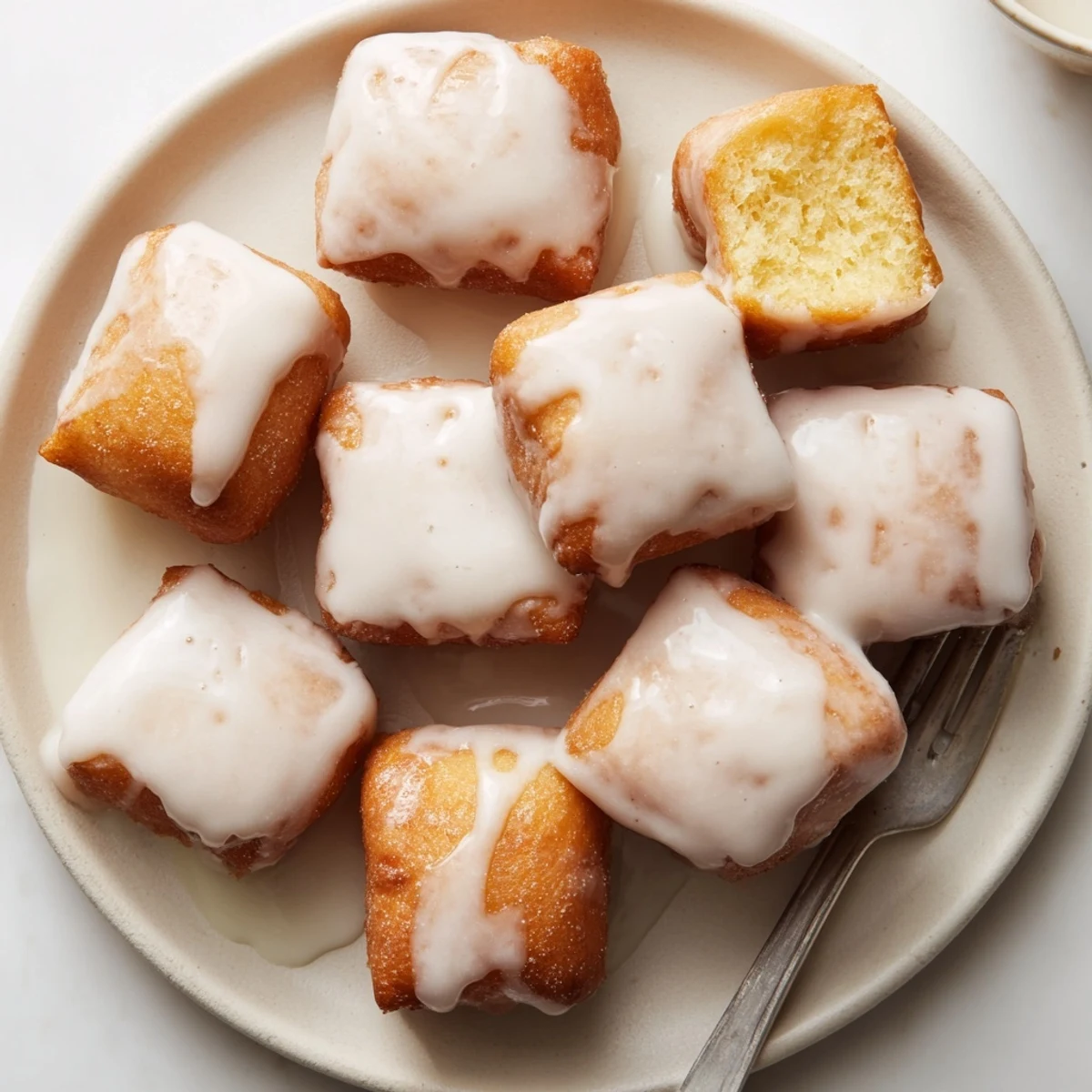
The glaze consistency took me forever to master, and I ruined plenty of batches by making it too thin or too thick. You want it thick enough to coat the beignet without running off completely, but thin enough to leave those beautiful drips down the sides. If your glaze is too thick, add milk literally one drop at a time, because a single drop can dramatically change the consistency. I keep a small bowl of extra powdered sugar nearby in case I accidentally thin it too much, which has happened more times than I care to admit.
Storage And Reheating
Fresh beignets are undeniably superior, but I've found some ways to extend their life if you have leftovers, though they rarely last long in my house. Store them in an airtight container at room temperature for up to 24 hours, but know that they'll lose some of their signature crispness. For reheating, skip the microwave, which turns them into tough little discs, and instead pop them in a 350°F oven for about 5 minutes to restore some of that freshly fried texture.
- Never refrigerate beignets, the cold air makes the starch retrograde and turns them disappointingly hard
- If freezing, glaze after reheating, not before freezing, or the glaze will become sticky and weird
- The best approach is inviting people over to help you eat them fresh, problem solved
 Pin it
 There's something almost meditative about dipping warm beignets into glaze and watching the excess drip off, a simple kitchen ritual that feels like a gentle pause in a chaotic world. I hope these bring you as much joy and comfort as they've brought me over the years.
Recipe FAQs
- → What makes these beignets different from traditional ones?
-
These beignets incorporate buttermilk, adding tanginess and tenderness to the dough while creating a lighter texture than traditional versions made with water or regular milk alone.
- → Can I prepare the dough ahead of time?
-
Yes, the dough can be prepared and refrigerated overnight after the first rise. Let it come to room temperature for 30 minutes before rolling and cutting into squares.
- → What's the best oil temperature for frying?
-
Maintain oil at 350°F (175°C) for optimal results. Too hot, and they'll burn outside while remaining raw inside; too cool, and they'll become greasy rather than crisp.
- → How do I know when the beignets are done frying?
-
Beignets are ready when they're golden brown on both sides and float freely in the oil. This typically takes 1-2 minutes per side depending on oil temperature consistency.
- → Can I freeze uncooked beignet squares?
-
Yes, cut squares can be frozen on a parchment-lined tray until firm, then stored in freezer bags for up to 3 weeks. Fry from frozen, adding 1-2 minutes to cooking time.
- → What should I serve with these glazed beignets?
-
Freshly brewed coffee, café au lait, or hot chocolate complement the sweet flavors perfectly. They also pair well with fresh berries for a contrasting element.
