
 Pin it
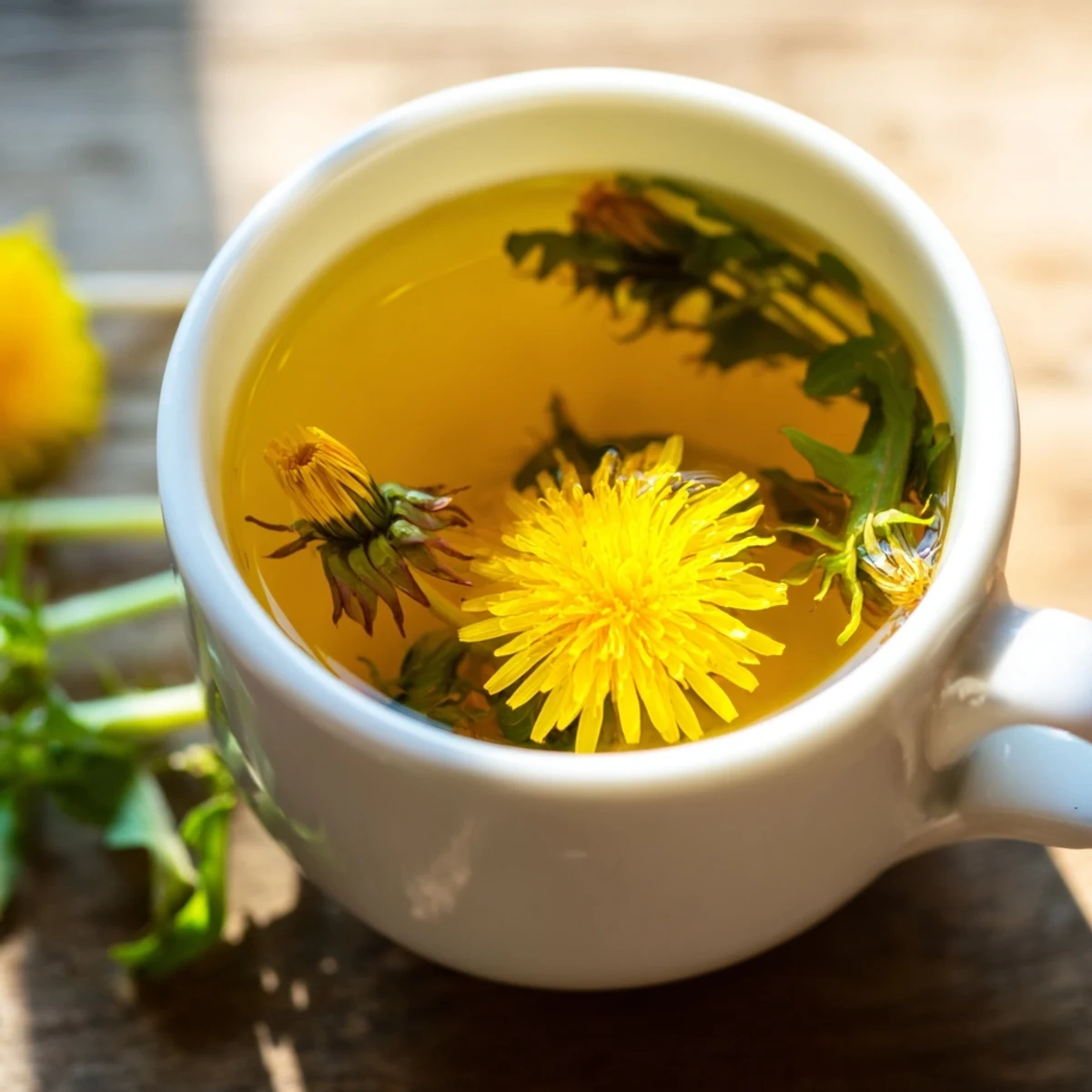
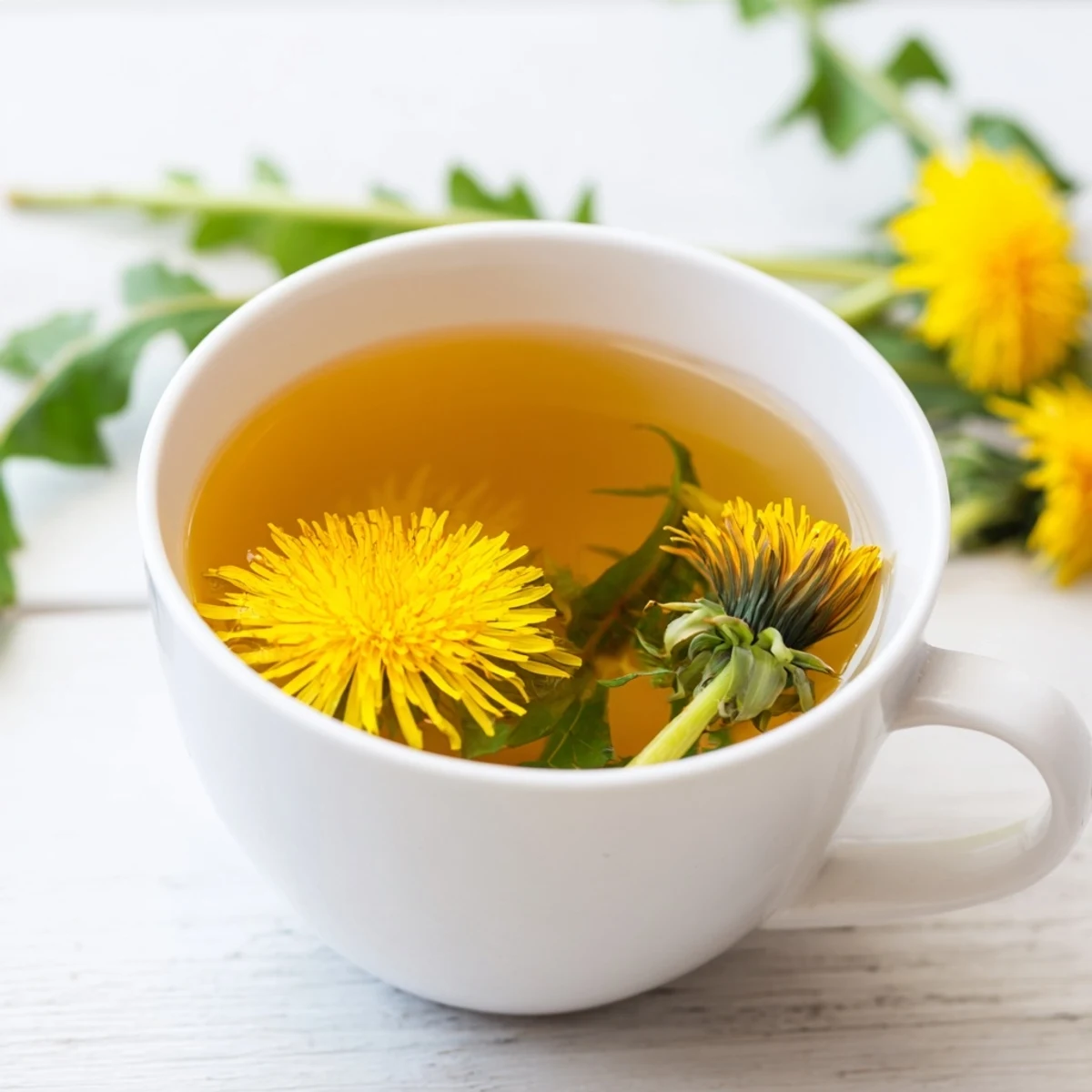
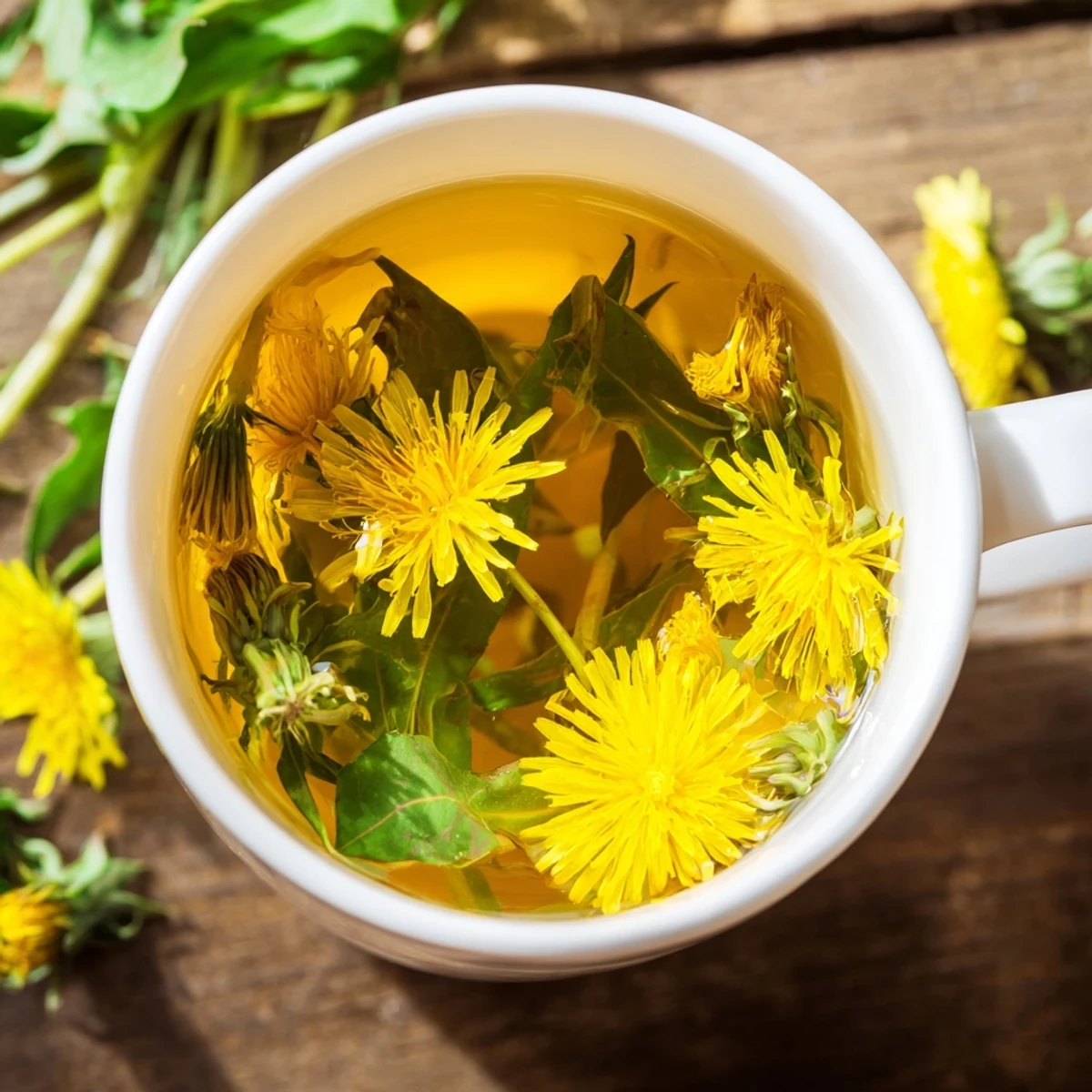
 This traditional herbal infusion harnesses the natural properties of dandelion petals and greens to create a light, earthy beverage. The simple preparation involves steeping thoroughly washed fresh blossoms or dried leaves in hot water for 8-10 minutes, resulting in a golden cup that supports digestive wellness and natural detoxification.
Optional honey or lemon additions allow you to customize the sweetness and brightness to your taste. The tea develops its characteristic mild flavor through proper steeping, while a fine mesh strainer ensures a smooth, sediment-free finish.
The first time someone suggested drinking weeds from my backyard, I thought they were kidding. Then I spent a spring afternoon pulling dandelions with my grandmother, who explained these stubborn little flowers have been medicinal staples for centuries. Now every time those yellow dots appear in my lawn, I see tea instead of trouble.
Last spring, my neighbor watched me harvest dandelions with genuine confusion until I brought her a mug the next morning. Now she texts me every May asking when the dandelion tea season officially begins. Theres something deeply satisfying about turning a garden nuisance into nourishment.
Ingredients
- Fresh or dried dandelion petals and leaves: The petals lend a delicate sweetness while young greens add pleasant earthiness, and harvesting them yourself connects you to the seasons rhythm
- Filtered water: Clean water matters for any tea, especially a delicate herbal infusion where subtle flavors should shine
- Honey or maple syrup: A touch of sweetness rounds out the natural bitterness and makes the medicine go down easier
- Fresh lemon slice: The bright acidity balances earthy notes and adds vitamin C while enhancing the teas detoxifying properties
Instructions
- Clean your harvest thoroughly:
- Rinse fresh petals and leaves under cold running water, gently swishing to remove dirt, tiny bugs, or garden debris
- Heat your water to a rolling boil:
- Bring the filtered water to a full boil in your saucepan, then let it cool for about thirty seconds before pouring
- Combine water and dandelions:
- Place your cleaned dandelion parts in a teapot or heatproof container and pour the hot water over them
- Steep with patience:
- Cover your container and let the mixture steep for 8 to 10 minutes, allowing the beneficial compounds to fully release
- Strain and customize:
- Pour the tea through a fine mesh strainer into cups, then sweeten with honey or add lemon to taste
 Pin it
 There is a quiet peace in sipping something you gathered with your own hands, knowing the earth provided exactly what you needed. This tea has become my spring ritual, a way to welcome the season and reset my body after winter.
Harvesting Wisdom
The best dandelions for tea grow in full sun away from roads and treated areas. Pick flowers in the morning after dew has dried but before the sun gets too intense. Avoid flowers that have gone to seed, as they become bitter and tough.
Flavor Variations
Mix in dried mint or lemon balm for a refreshing twist. A slice of fresh ginger adds warming spice perfect for cooler days. You can also blend roasted dandelion root for a coffee like depth.
Storage and Preservation
Dry extra dandelion petals and leaves on a baking sheet in a warm, airy spot for three to five days. Store dried herbs in a glass jar away from light for up to six months. Frozen dandelion ice cubes work beautifully for iced tea versions.
- Label your dried herbs with the harvest date
- Keep harvesting throughout the growing season
- Share the knowledge with curious neighbors
 Pin it
 Sometimes the simplest remedies are the most profound, waiting patiently in our backyards to be rediscovered. May each cup bring you closer to the quiet wisdom of the natural world.
Recipe FAQs
- → What does dandelion tea taste like?
-
Dandelion tea offers a light, earthy flavor profile with subtle floral notes. The fresh petals create a delicate infusion similar to mild green tea, while roasted roots produce a deeper, coffee-like brew. The taste is naturally slightly bitter but smooth, becoming more nuanced with proper steeping time.
- → Can I use store-bought dried dandelion instead of fresh?
-
Absolutely. Dried dandelion leaves and petals work beautifully and provide consistent flavor year-round. Use approximately 2 tablespoons of dried material to replace the 2 cups of fresh petals called for in this method. Dried versions often have a more concentrated earthy taste.
- → How do I properly identify and harvest dandelions?
-
Harvest dandelions from areas known to be free of pesticides, herbicides, and chemical treatments. Choose bright yellow flower heads and tender young leaves from plants growing away from roadsides and污染 areas. Rinse thoroughly under cold running water to remove dirt and small insects before brewing.
- → What are the health benefits of drinking dandelion infusion?
-
Dandelion tea has been traditionally valued for its natural detoxifying properties and digestive support. The mild diuretic effects help reduce water retention, while antioxidants in the petals and greens support overall wellness. Many find it soothing after meals and appreciate its gentle, caffeine-free nature.
- → How long should I steep dandelion tea for optimal flavor?
-
Allow the infusion to steep covered for 8-10 minutes to extract the full flavor and beneficial compounds. Shorter steeping results in a lighter, more delicate taste, while longer steeping can increase bitterness. Finding your preferred strength may require a bit of experimentation with timing.
- → Can I drink dandelion tea daily?
-
Yes, dandelion tea is generally safe for regular consumption as part of a balanced diet. However, if you have allergies to plants in the daisy family or are taking medications, consult with a healthcare provider. Starting with one cup daily allows you to observe how your body responds to this traditional herbal beverage.
