
 Pin it
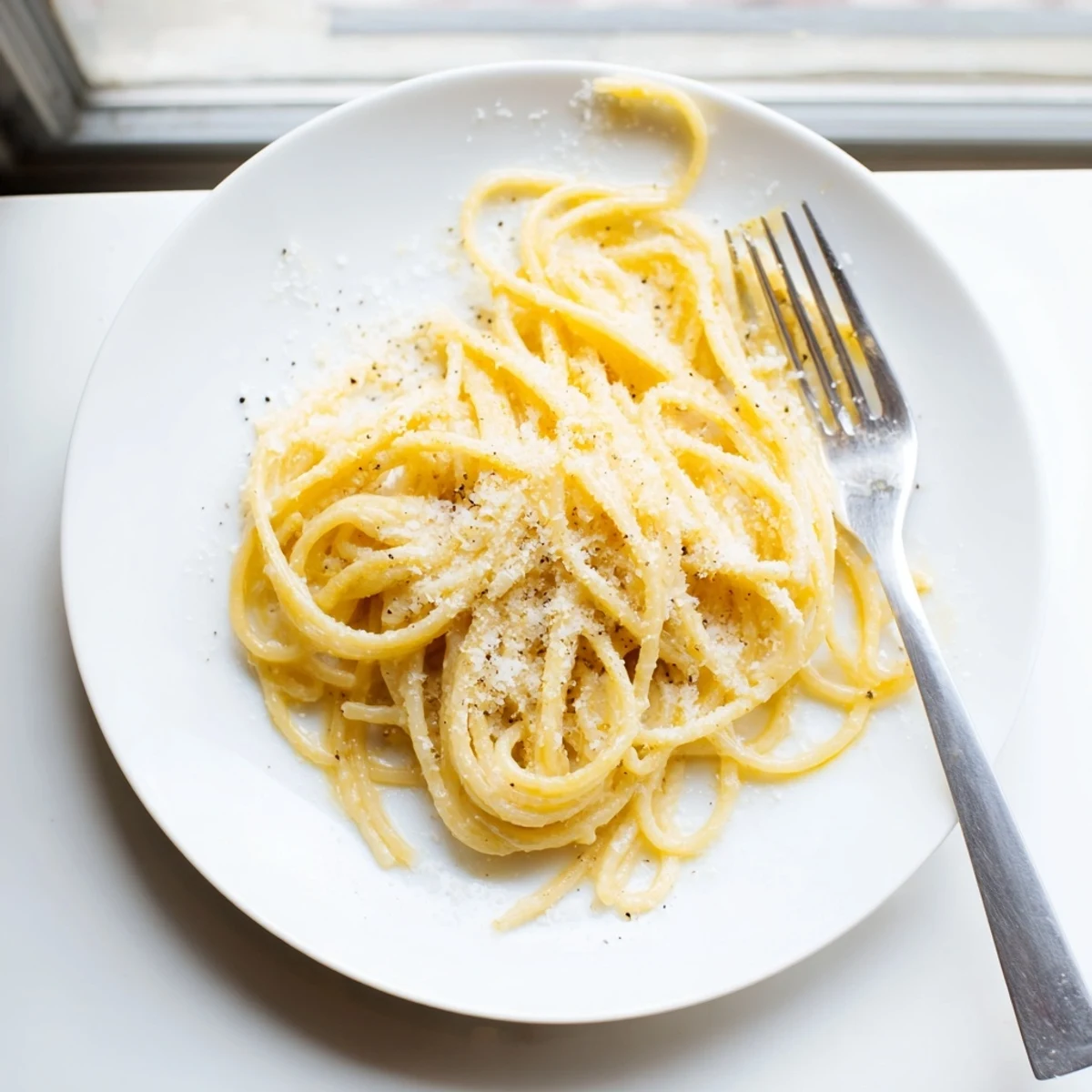
 This beloved Roman pasta transforms simple ingredients into pure luxury. Spaghetti meets a velvety sauce crafted from Pecorino Romano and freshly toasted black pepper, creating that signature creamy coating. The technique involves creating a cheese paste with hot pasta water, then emulsifying it with toasted pepper for a silky result. Ready in just 25 minutes, this vegetarian Italian dish captures the essence of Roman home cooking through quality ingredients and proper technique.
The first time I attempted Cacio e Pepe in my tiny apartment kitchen, I ended up with a clumpy, separated mess that had me questioning everything I knew about cheese and pasta. It took me three more attempts, some frustrated texts to my Italian friend Marco, and one very patient evening of experimentation to finally understand that this deceptively simple dish is all about temperature control and confidence.
Last winter, my sister came over exhausted from a terrible day at work, and I made her this pasta in under 20 minutes while she sat on my counter drinking wine. She took one bite and actually teared up, saying it tasted like something she had eaten at a tiny trattoria in Rome years ago. Sometimes the simplest food carries the heaviest emotional weight.
Ingredients
- Spaghetti or tonnarelli: The shape matters because long strands hold that pepper flecked sauce beautifully, plus traditional tonnarelli has a rougher texture that grabs onto the creamy coating.
- Pecorino Romano cheese: This salty, aged sheep cheese is nonnegotiable, and freshly grating it yourself is the difference between sauce that sings and sauce that separates.
- Freshly ground black pepper: Toasting the pepper first blooming its floral, spicy oils, so do not even think about using pre ground pepper from that shaker you have had since college.
- Pasta water: The starchy liquid is actually the secret ingredient that brings everything together into that restaurant worthy glossy emulsion.
Instructions
- Boil your pasta water:
- Bring the water to a rolling boil and salt it well, though remember the Pecorino will add plenty of saltiness to the final dish.
- Toast your pepper:
- While the pasta cooks, toast your black pepper in a dry skillet until you can smell it, about one minute, because this tiny step transforms the entire flavor profile.
- Create the cheese base:
- Mix the grated Pecorino with a few tablespoons of hot pasta water until it becomes a thick, creamy paste that will become your sauce foundation.
- Combine everything off heat:
- Add the pasta to the peppered water, then gradually work in the cheese paste, tossing vigorously and adding more pasta water as needed until you achieve that velvety, coating consistency.
 Pin it
 This has become my go to meal for friends who say they cannot cook, because watching them succeed at something so seemingly fancy feels like sharing a secret handshake. There is something profoundly satisfying about serving a dish with just three ingredients that tastes like it came from a professional kitchen.
Getting the Sauce Right
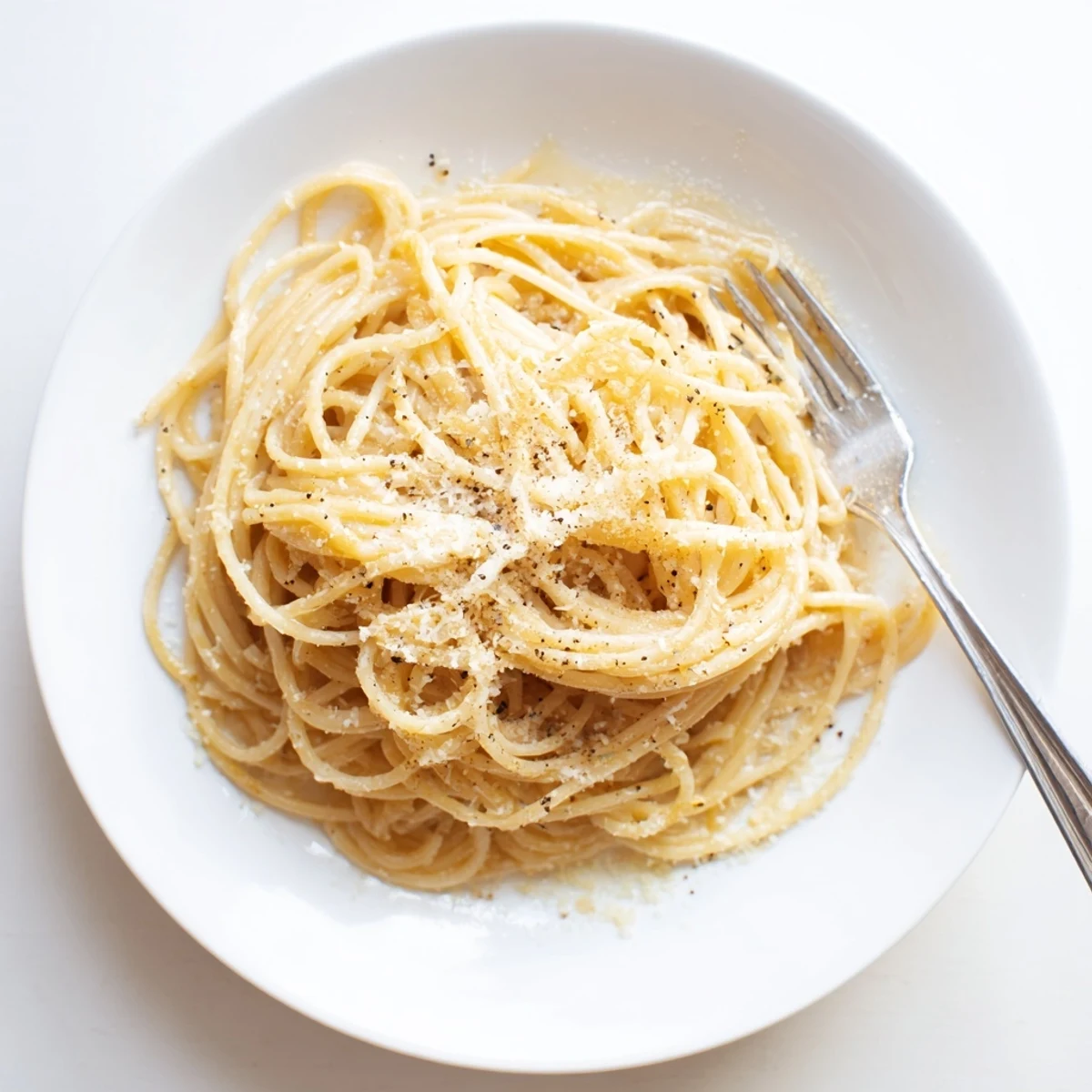
The most common mistake people make is adding the cheese directly to hot pasta, which causes it to clump instantly. Instead, create that paste separately with hot pasta water first, then work it into the pasta like you are dressing it for a night out. The sauce should look glossy and coat each strand without any puddles in the bottom of your bowl.
Making It Your Own
While purists might object, I have learned that a tiny splash of pasta cooking water reserved before you drain it can save almost any sauce situation. Some nights when I want something extra luxurious, I will fold in a tablespoon of cold butter right at the end, which makes the sauce somehow even silkier.
Serving It Up
This dish waits for no one, so have your plates warmed and your wine poured before you start tossing the final sauce together. The texture is at its absolute peak the moment it hits the plate, so call everyone to the table before you even drop the pasta into the water.
- Grate extra Pecorino tableside for that dramatic finishing touch.
- Keep the pepper grinder nearby because some people (like me) love an extra spicy kick.
- This pasta is best eaten standing up, leaning against the kitchen counter, just like they do in Rome.
 Pin it
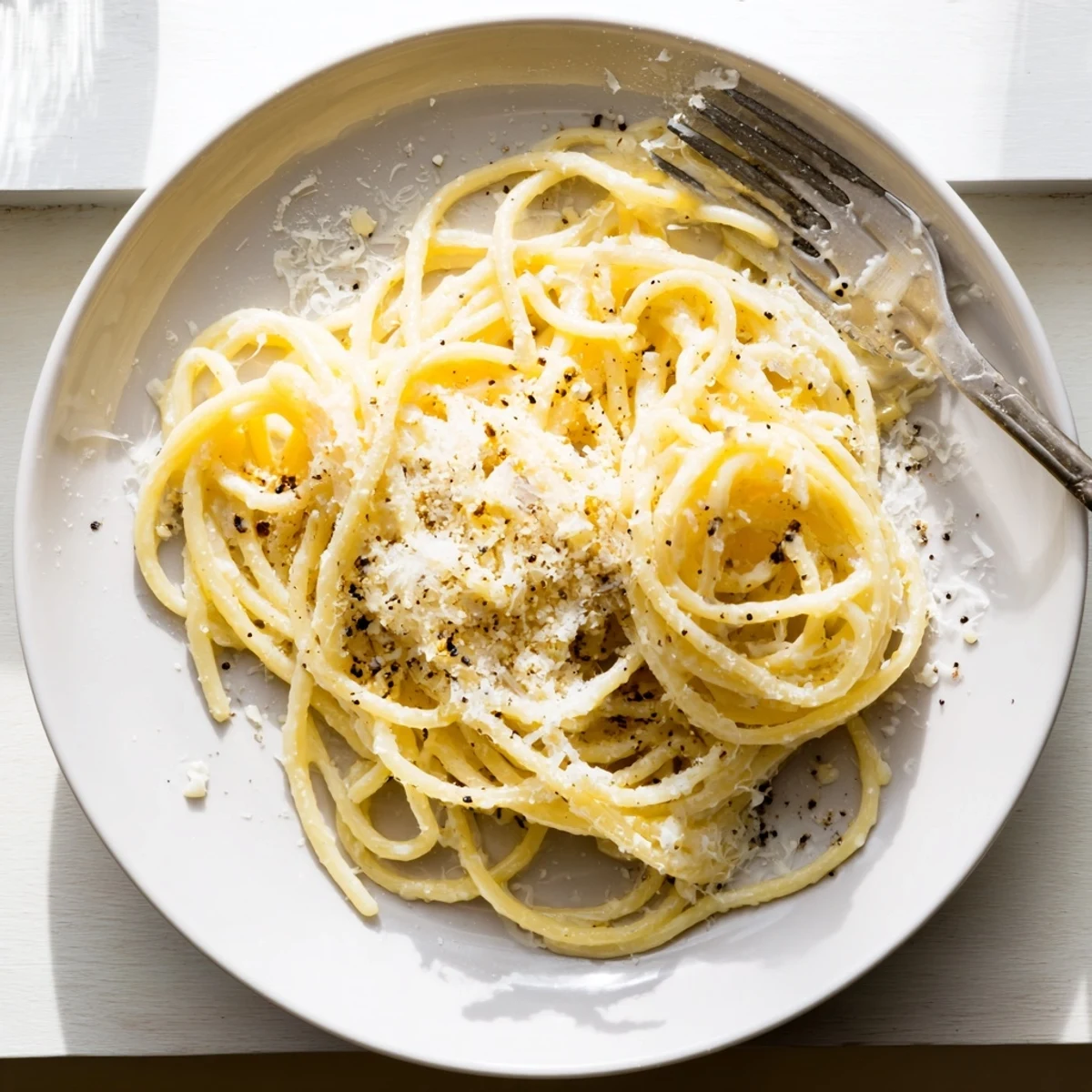
 Cacio e Pepe taught me that the most satisfying dishes often require the fewest ingredients and the most attention. Every time I make it now, I think about how something so simple can taste so extraordinary.
Recipe FAQs
- → What makes authentic Cacio e Pepe creamy?
-
The creaminess comes from emulsifying Pecorino Romano with hot starchy pasta water and freshly ground black pepper. Creating a cheese paste before adding it to the pasta ensures proper coating and silky texture.
- → Can I use Parmesan instead of Pecorino Romano?
-
While possible, Pecorino Romano provides the authentic sharp, salty flavor profile traditional to Roman cuisine. Parmesan yields a milder taste and different texture.
- → Why toast the black pepper first?
-
Toasting releases the pepper's essential oils, intensifying its aroma and flavor. This step creates the distinctive peppery backbone that defines this classic Roman dish.
- → What pasta shapes work best?
-
Long thin noodles like spaghetti, tonnarelli, or bucatini are traditional. Their surface area allows the cheese sauce to coat evenly, while the starch helps create the emulsion.
- → Why reserve pasta water?
-
The starchy water is essential for creating the silky emulsion. It helps melt the cheese smoothly and provides the body needed for the sauce to cling to each strand.
- → How do I prevent the sauce from clumping?
-
Remove the pan from heat before adding cheese, toss constantly, and add pasta water gradually. Working quickly and keeping everything hot ensures smooth, creamy results.
