
 Pin it
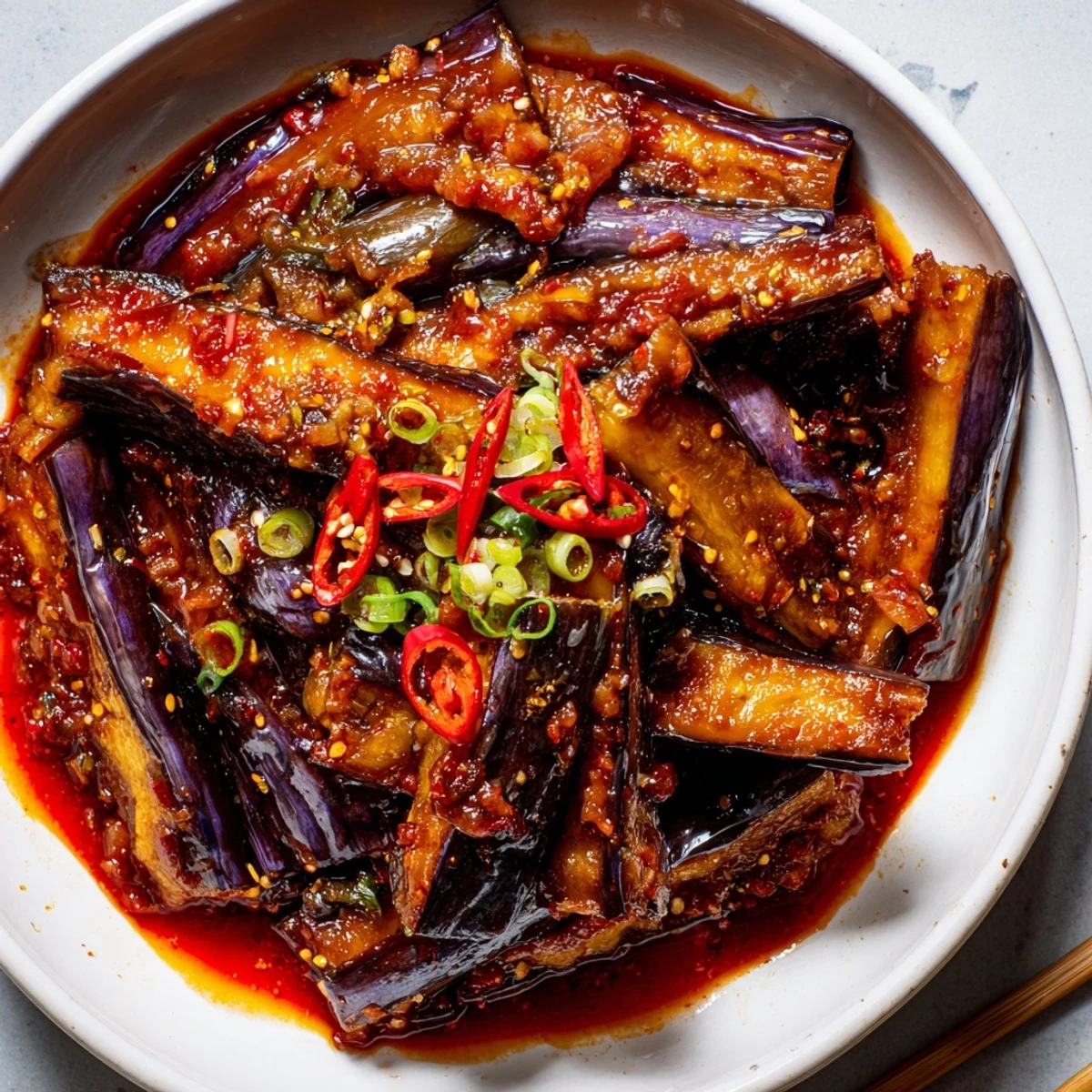
 Salted aubergine batons are rinsed, dried and quickly pan-fried until golden and tender, then returned to an aromatics base of ginger, garlic and doubanjiang. Soy, dark soy, rice vinegar and stock create a tangy-spicy braising liquid; a cornstarch slurry thickens it to a glossy finish. Finish with sesame oil and spring onions. Serve hot with steamed rice or noodles; add Sichuan peppercorns for numbing heat or toasted peanuts for crunch.
There's something downright theatrical about the way the doubanjiang sizzles when it hits the pan, sending up a swirl of fragrance that always makes me pause mid-task. I first stumbled onto Sichuan style braised aubergines while seeking a weeknight escape from the usual, eager for that intoxicating combination of heat and savory depth unique to the region. The whole kitchen seemed to hum with excitement that night as each ingredient layered in. It’s since become one of my go-tos for when I want a meal that feels bold, even if my day didn’t.
There was this drizzly autumn evening when some friends popped by on short notice, and I decided to throw together these aubergines before anyone could mention takeout. I’ll never forget the laughter echoing through the flat, mingled with the clatter of chopsticks as we all swooped in for a second helping straight out of the wok. Watching everyone’s faces register surprise at the first bite—fiery, tangy, undeniably addictive—still makes me grin. Now, it’s unofficially requested every time we get together.
Ingredients
- Aubergines (eggplants): Choose firm, glossy ones; salting first keeps the texture melting inside and prevents them from soaking up too much oil.
- Spring onions: Scatter them on top at the end—the pop of freshness and crunch sets everything off beautifully.
- Garlic: Don’t skimp; it’s the backbone of the aromatic base and worth mincing fresh for depth.
- Ginger: Adds a tingly brightness; slice or mince as finely as you can for even flavor.
- Red chili: A must if you love a little extra bite, though you can leave it out or adjust to your preference.
- Doubanjiang: The heart of authentic Sichuan flavor—look for the deep red fermented kind for the real deal.
- Soy sauce: Regular soy for salt and umami, dark soy for beautiful color and roundness.
- Rice vinegar: Brings a light, tangy lift that balances out the spicy-salty punch.
- Sugar: Just enough to round out the sharp edges and mellow the heat.
- Vegetable stock or water: Enough liquid for simmering; stock will add extra flavor if you have it.
- Vegetable oil: Aubergines love to soak up oil; frying brings out their best silky texture.
- Sesame oil: For a last drizzle—never skip it, the aroma is everything right at the end.
- Salt: Crucial for both the first salting and seasoning to taste at the finish.
- Cornstarch: Thickens the sauce to coat every corner; mix well with cold water first so there are no lumps.
Instructions
- Prep the aubergines:
- Scatter coarse salt over the thick batons; I usually set a timer, then fuss with the rest of my prep while beads of moisture glisten on the surface. Rinse, then blot dry—don’t skip this or you’ll end up steaming rather than frying.
- Fry to golden silkiness:
- Tip the aubergines into shimmering hot oil and listen for the cheerful sizzle. Cook until they’re a mottled, almost caramel color and soft when poked with tongs.
- Sauté aromatics:
- Drain all but a slick of oil, then add ginger, garlic, and chili—nostrils wide open, eyes probably watering. You want just a minute, enough for a punchy, electrifying aroma.
- Work in the doubanjiang:
- Dollop in the paste and stir until the oil turns a gorgeous brick-red—scrape the bottom, the flavor’s worth chasing. Take care, it can sputter and color everything nearby.
- Simmer everything together:
- Tumble the aubergines back in, follow with both soy sauces, vinegar, sugar, and stock. Gently stir so nothing breaks apart, then let them nestle and stew with the lid on until completely tender.
- Thicken and finish:
- Shake the cornstarch and water into a smooth slurry, drizzle in, and stir until it thickens into a plush sauce. Finish off with sesame oil and a rain of spring onions for both aroma and crunch.
 Pin it
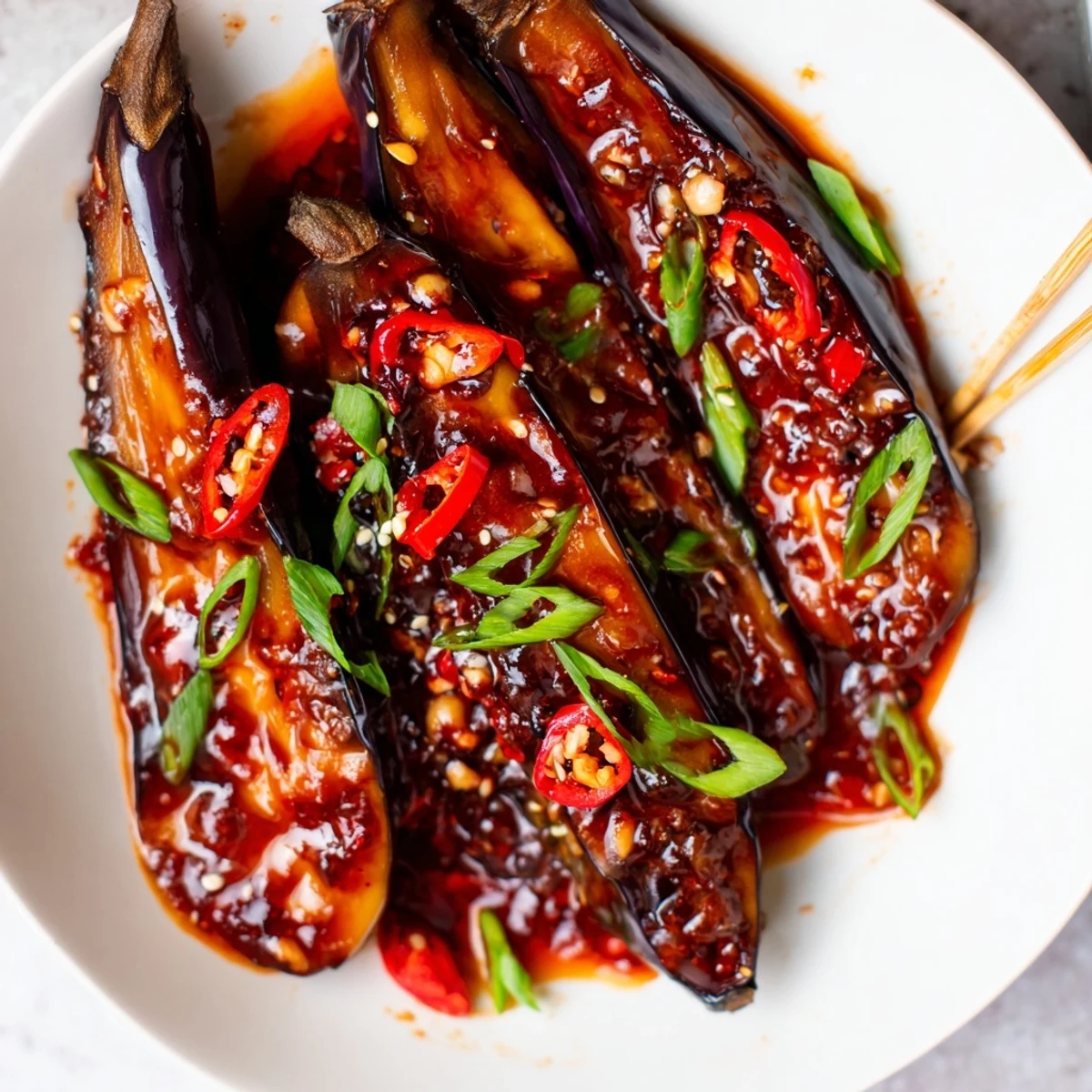
 I’ll always remember the quiet satisfaction of sitting at the table solo one rainy Saturday, taking the first bite, and realizing I’d cracked the code on a takeout favorite. Somehow, at that moment, the dish felt like a secret triumph—equal parts spicy comfort and accomplishment on a plate.
Mastering the Sauce Texture
Over time, I realized that letting the sauce bubble with the lid just ajar gave the aubergines room to soak up flavor yet kept everything from going soggy. There’s a sweet spot where the sauce reduces just enough to lacquer the veg without drowning them, so keep an eye out for that glossy sheen.
Tweaking Heat & Aromatics
Depending on my mood or the crowd, I’ll add a smidge of ground Sichuan peppercorns or amp up the fresh chili. The base recipe’s scalable, and the seasoning is forgiving—taste as you go (someone in my house always steals a test piece, and honestly, it’s the cook’s privilege).
Serving & Storing Tips
I’ve found these aubergines are spectacular straight out of the pan, but leftovers also reheat surprisingly well in a steamer or microwave. Serve with fragrant jasmine rice or even thick wheat noodles for a heartier meal.
- If you want crunch, toasted peanuts tossed over just before serving work wonders.
- If the sauce goes too thick, simply loosen with a tablespoon or two of hot water.
- Don’t forget a final drizzle of sesame oil—that aroma is pure magic at the table.
 Pin it
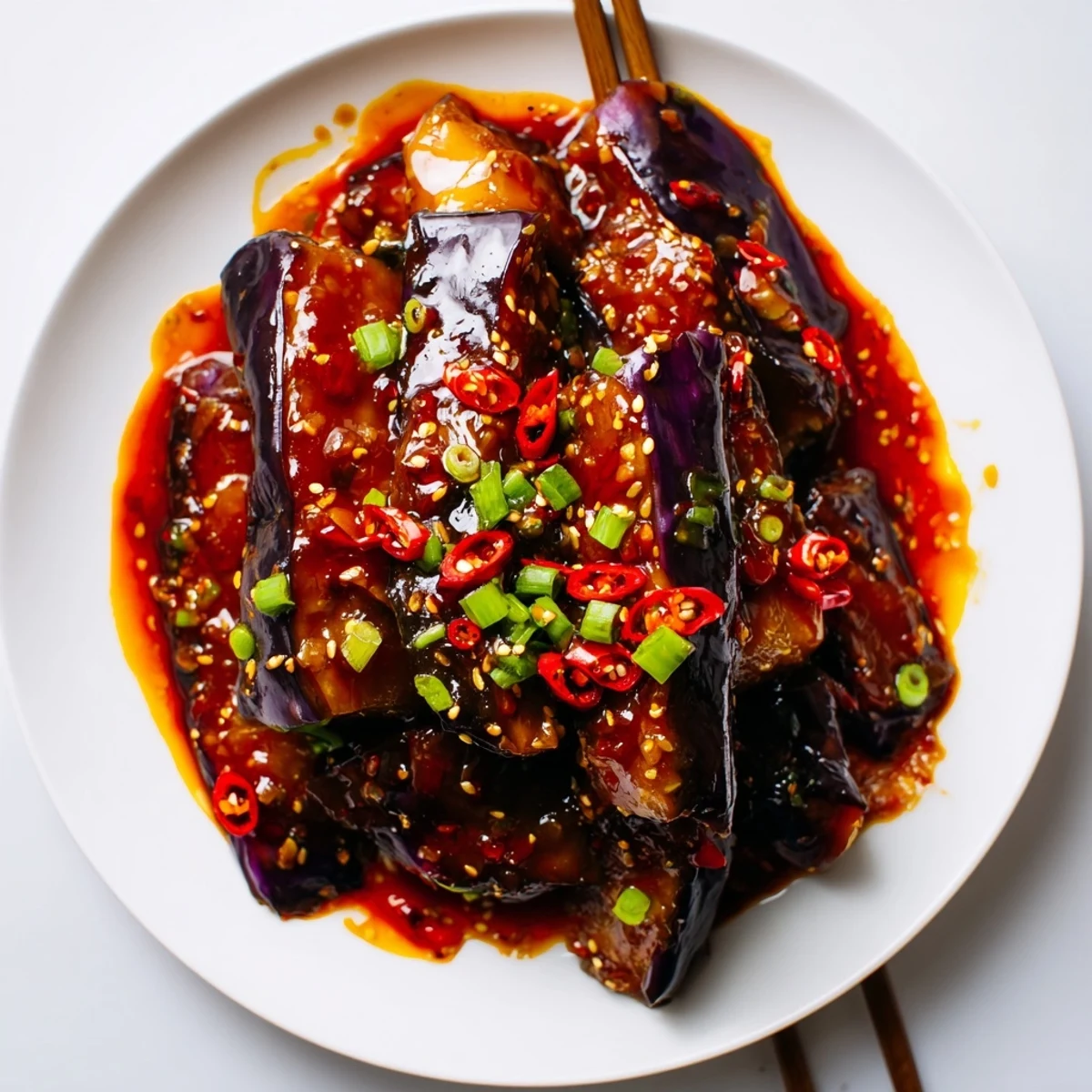
 May your kitchen fill with spice and laughter every time you make this. I hope it becomes as much of a staple in your rotation as it is in mine.
Recipe FAQs
- → How do I stop aubergine from absorbing too much oil?
-
Salt and rest the cut aubergine for 10 minutes, then rinse and pat dry; this draws out moisture and reduces oil uptake. Fry in batches over medium-high heat with enough oil to sear, or roast for a lighter finish.
- → Can I bake instead of frying the aubergine?
-
Yes. Toss batons with a little oil and roast at 220°C/430°F until golden and soft, about 20–25 minutes, then add to the sauce to simmer briefly so they absorb the flavors.
- → What can I use if I don’t have doubanjiang?
-
Use a mix of chili garlic sauce and a spoon of fermented bean paste if available, or a blend of chili paste and miso for depth; expect some difference in spice and umami.
- → How do I control the heat level?
-
Reduce or omit fresh chili and use less doubanjiang, or balance heat with a touch more rice vinegar and sugar. Toasted peanuts or a splash of sesame oil also soften perceived spice.
- → How can I thicken the sauce without cornstarch?
-
Simmer longer to reduce the braising liquid until syrupy, or mash a few aubergine pieces into the sauce to naturally thicken and add body.
- → Can this be prepared ahead of time?
-
Yes. Fry aubergine and keep sauce separate; combine and gently rewarm to serve. Reheating allows flavors to meld, but add spring onions and sesame oil just before serving.
