
 Pin it
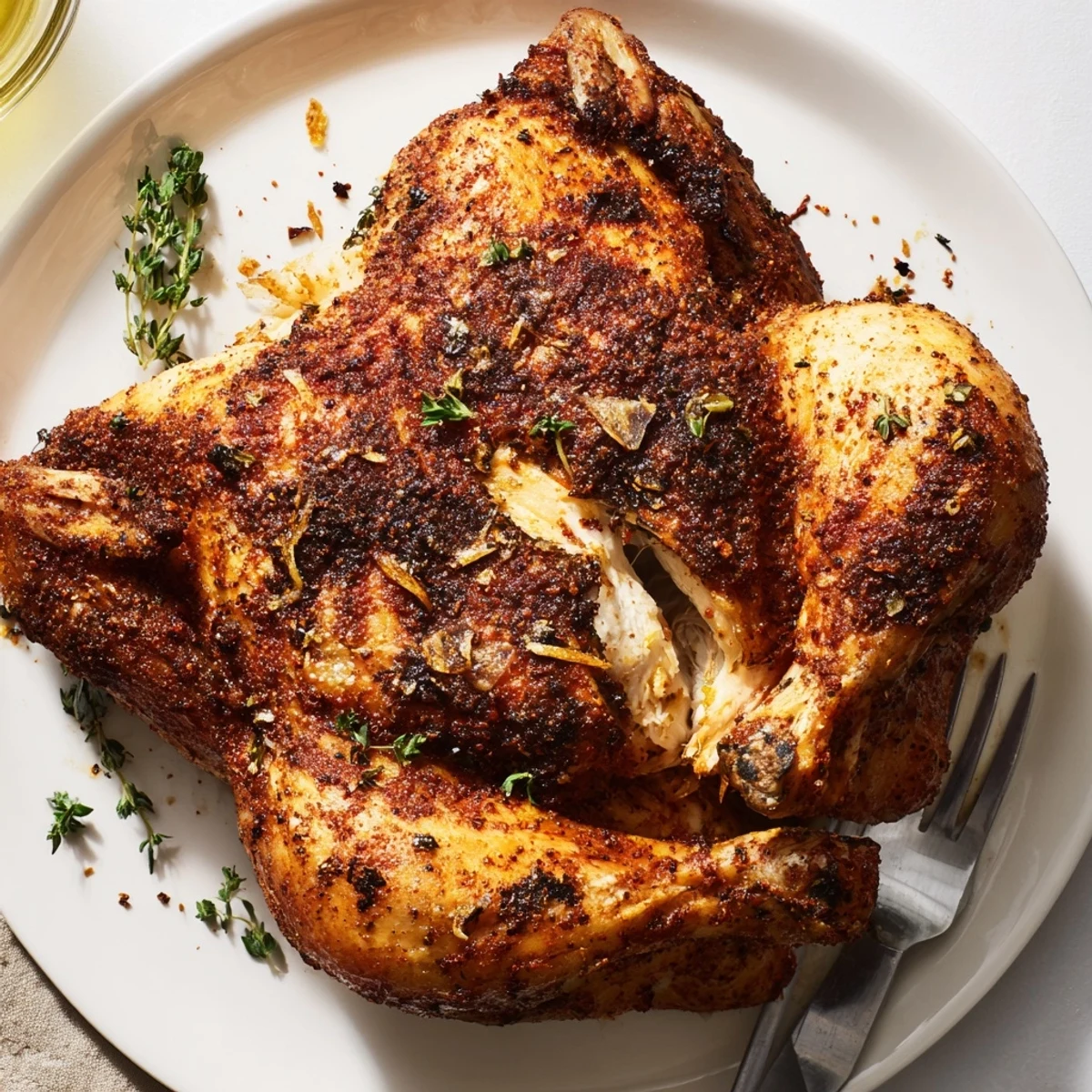
 Marinate spatchcocked or cut chicken overnight in buttermilk with garlic, lemon, paprika and thyme to tenderize and add depth of flavor. Drain, pat dry, brush with oil and roast at 425°F (220°C) until the skin is deeply golden and the thickest part reaches 165°F (74°C). Rest 10 minutes before carving; serve with roasted vegetables or a fresh salad. Swap herbs or add chili flakes to vary the profile.
The sizzle of chicken hitting a hot pan on a Sunday afternoon is one of those sounds that instantly makes a house feel like home, and buttermilk roasted chicken has been my go-to for achieving that comfort with almost no fuss. My neighbor Linda tossed a few leftover pieces over the fence one summer evening, and I stood in the yard eating straight from the foil like an animal. That tangy, golden skin ruined me for plain roast chicken forever.
I made this for a friend who claimed she hated dark meat, and she ate three thighs before admitting defeat. We sat on the kitchen floor afterward with a loaf of bread, dragging it through the leftover pan juices, laughing about nothing in particular.
Ingredients
- 1 whole chicken (about 3.5 to 4 lbs), spatchcocked or cut into 8 pieces: Removing the backbone helps it cook evenly and gets more surface area in contact with that glorious marinade.
- 2 cups buttermilk: This is the magic ingredient, and its acidity tenderizes while its thickness clings to every fold of the bird.
- 2 tbsp olive oil plus 1 tbsp for brushing: You need fat to carry flavor and help the skin crisp rather than steam.
- 4 garlic cloves, minced: Fresh garlic matters here because its sharpness mellows beautifully into the buttermilk.
- 1 tbsp kosher salt: Do not skimp on salt because the buttermilk needs it to balance its natural tang.
- 2 tsp black pepper: Coarsely ground pepper adds little bursts of warmth throughout each bite.
- 1 tbsp paprika (sweet or smoked): Paprika is what gives the skin that deep, sunset color and a subtle sweetness.
- 2 tsp dried thyme: Thyme and chicken are old friends, and the herbaceous notes cut through the richness.
- Zest of 1 lemon and 1 tbsp lemon juice: The zest perfumes the marinade while the juice adds just enough brightness.
Instructions
- Whisk the marinade together:
- Grab your largest bowl and whisk the buttermilk, olive oil, garlic, salt, pepper, paprika, thyme, lemon zest, and lemon juice until everything is blended and fragrant. Take a moment to smell it because that tangy, herbal aroma is about to work wonders.
- Submerge the chicken:
- Tuck the chicken pieces into a big zip top bag or a non-reactive container, then pour the marinade over every inch of the bird. Seal it tight, give it a gentle massage through the bag, and tuck it into the fridge for at least 8 hours or ideally overnight.
- Drain and dry slightly:
- Pull the chicken from the marinade and let the excess drip off before discarding the liquid. A light pat with paper towels helps the oil stick later without washing away the flavor.
- Preheat and prepare for roasting:
- Heat your oven to 425 degrees Fahrenheit and set the chicken on a rack over a rimmed baking sheet. Brush it all over with that remaining tablespoon of olive oil so every exposed edge has a chance to shine.
- Roast until golden:
- Slide the pan into the oven and roast for 45 to 60 minutes, watching for that deep golden brown skin and checking that the internal temperature hits 165 degrees Fahrenheit at the thickest part. The juices should run completely clear when you cut into it.
- Rest before carving:
- Let the chicken sit for a full 10 minutes before you carve so the juices redistribute instead of spilling onto the cutting board. Scatter some fresh herbs over the top if you are feeling fancy, then serve warm.
 Pin it
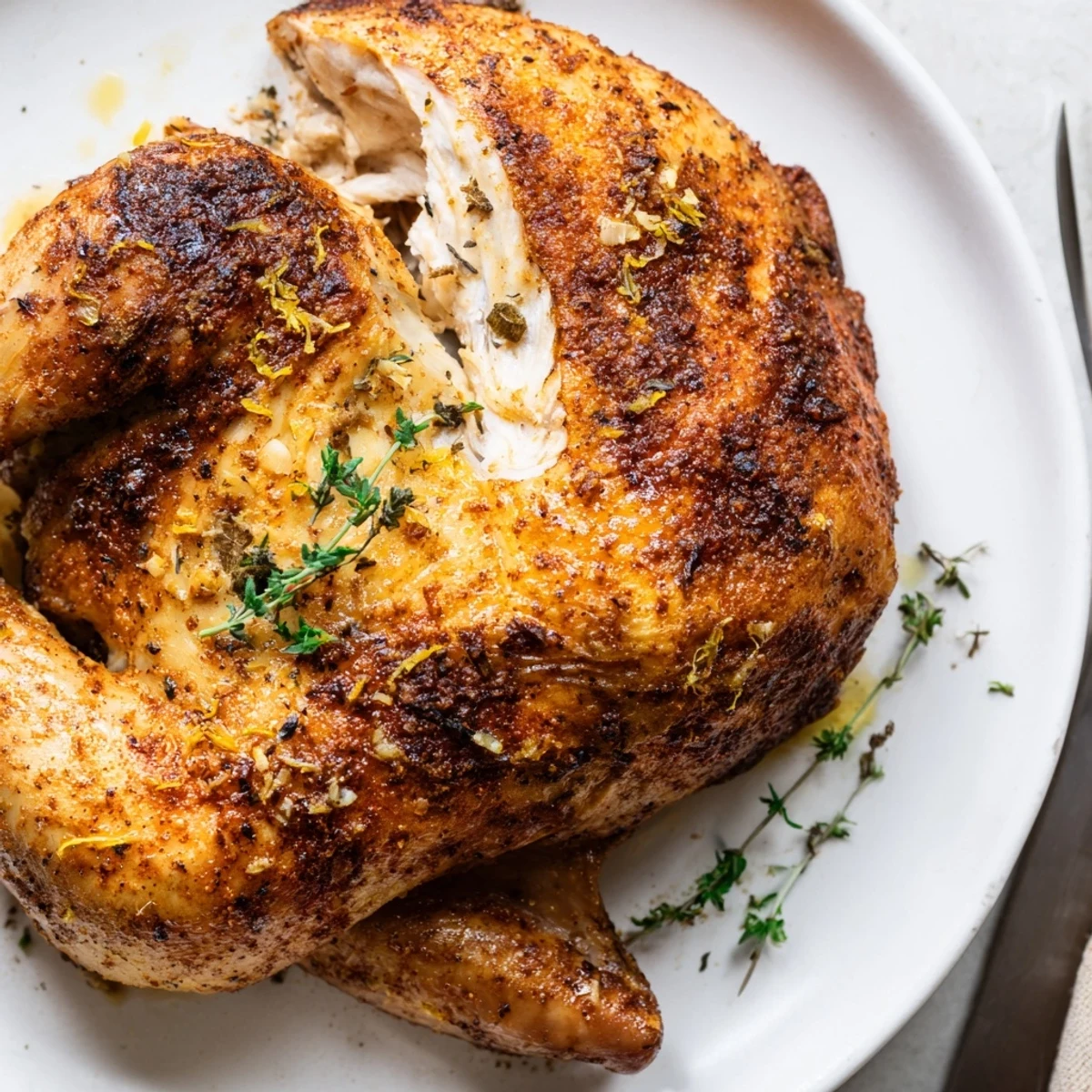
 There is something quietly powerful about pulling a golden bird from the oven when the house has gone still and cold outside. It turns an ordinary weeknight into a small ceremony worth sitting down for.
When You Do Not Have Buttermilk
Pour 2 tablespoons of lemon juice or white vinegar into a measuring cup, then fill it to the 2 cup line with regular milk and let it sit for about 10 minutes. It will curdle slightly and thicken, which is exactly the texture you want, and nobody will ever know the difference.
Playing With the Flavors
Try swapping the thyme for rosemary in winter when you want something more piney and robust, or add a pinch of chili flakes if you like a whisper of heat. I once tossed in a spoonful of Dijon mustard on a whim, and it gave the skin an extra savory depth I did not expect.
What to Serve Alongside
This chicken loves anything roasted because you can throw vegetables on the same sheet pan and call it dinner without extra effort.
- Carrots and potatoes tucked around the bird soak up all those concentrated juices.
- A simple arugula salad with lemon vinaigrette cuts through the richness beautifully.
- Pour something crisp and cold like a Sauvignon Blanc to keep the whole meal feeling bright.
 Pin it
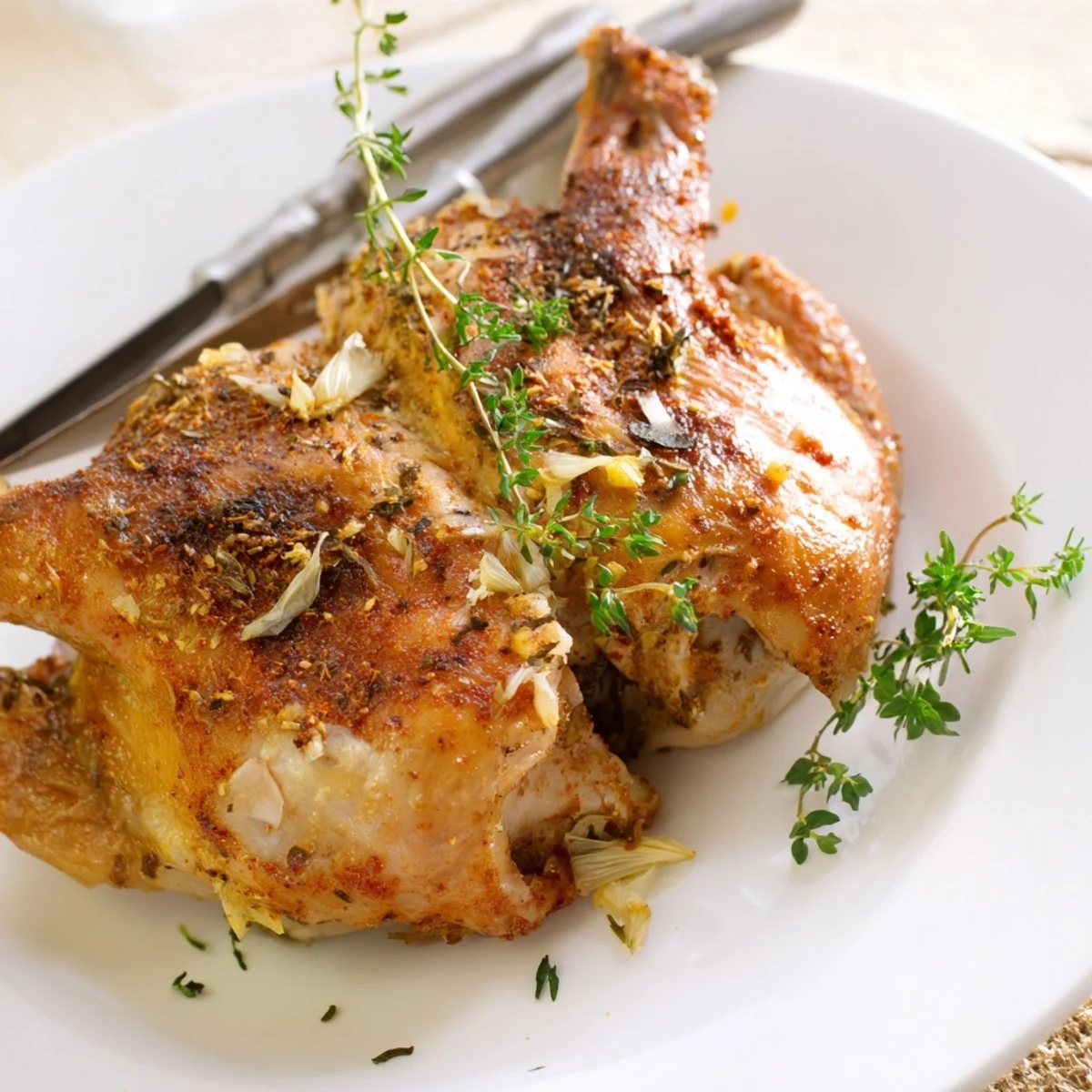
 This is the kind of recipe that earns a permanent spot in your rotation, not because it is flashy, but because it reliably turns an ordinary afternoon into something worth savoring. Share it generously, and watch people go quiet around the table.
Recipe FAQs
- → How long should the chicken marinate?
-
Marinate at least 8 hours or overnight for the best tenderness and flavor penetration; shorter marinating (2–4 hours) will still add some tang but be less pronounced.
- → Why spatchcock the chicken?
-
Spatchcocking flattens the bird so it cooks more evenly and exposes more skin to direct heat, producing faster roasting and crisper skin compared with a whole, intact bird.
- → Can I substitute the buttermilk?
-
Yes: use 2 cups milk mixed with 2 tablespoons lemon juice or vinegar and let sit 5 minutes to thicken. The acidity helps tenderize similarly to buttermilk.
- → How do I ensure extra-crispy skin?
-
After marinating, let the chicken drain and pat the surface very dry with paper towels, then brush lightly with oil before roasting at a high temperature (425°F/220°C). Rest uncovered briefly if possible to keep skin crisp.
- → What internal temperature indicates doneness?
-
Cook until the thickest part of the thigh reaches 165°F (74°C). Allow a 10-minute rest; carryover heat will even out juices and finish the cook.
- → How can I vary the flavors?
-
Swap thyme for rosemary, add chili flakes for heat, or stir in smoked paprika for a deeper color and smoky note. Fresh herb garnish brightens the finished dish.
