
 Pin it
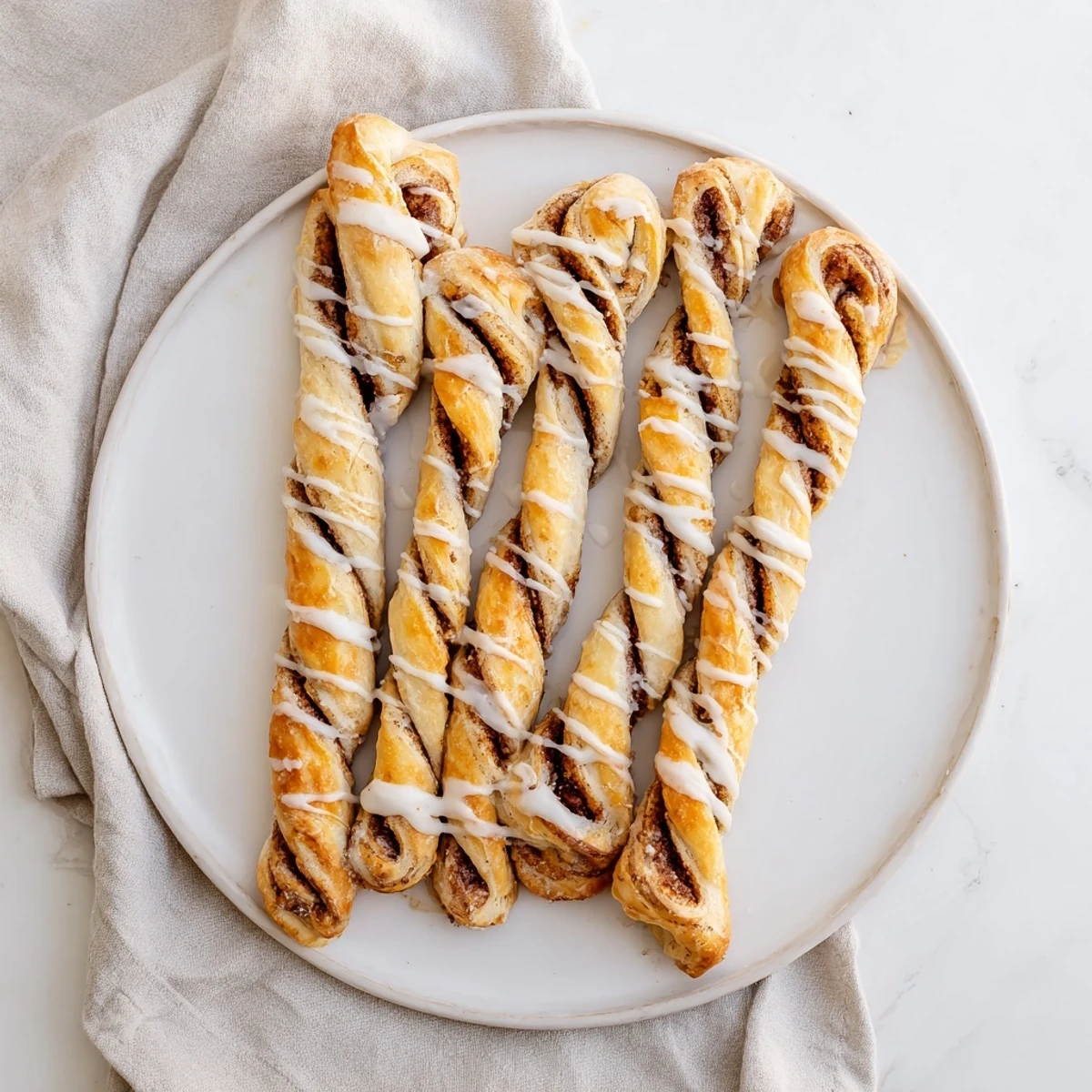
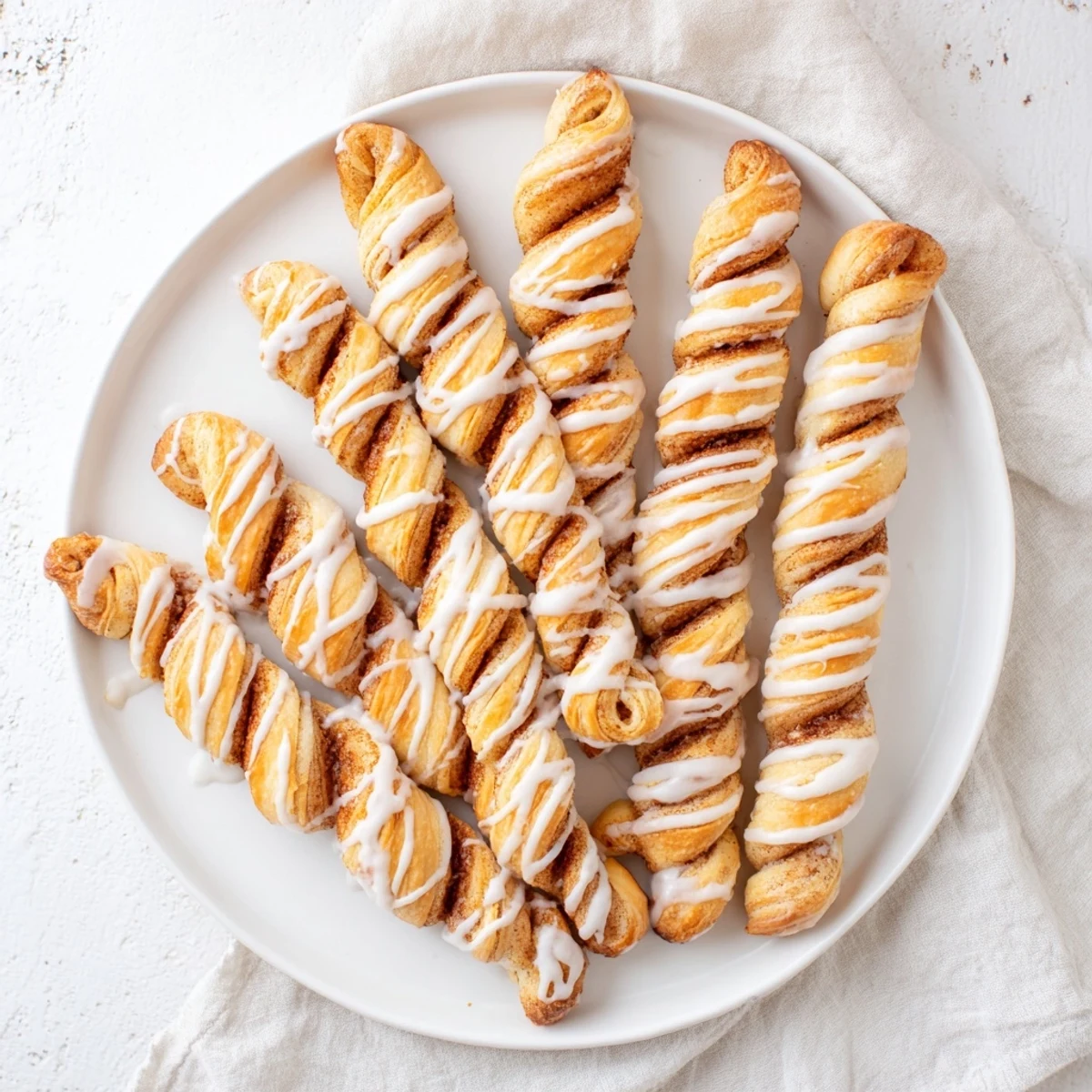
 These tender pastry twists feature a buttery dough swirled with brown sugar and cinnamon, baked until golden brown, and topped with a simple vanilla glaze. The dough comes together quickly with common pantry ingredients, rises in about an hour, then gets rolled out, filled, and twisted into individual portions.
What makes these twists special is their texture—soft and pillowy inside with slightly crispy edges—plus that classic cinnamon-sugar combination everyone loves. They're easier than shaping traditional cinnamon rolls but deliver the same comforting flavors. The vanilla glaze adds just the right amount of sweetness without overwhelming the pastry.
These shine at breakfast or brunch alongside coffee, but also work beautifully as an afternoon snack or light dessert. Best served warm, they stay fresh for two days in an airtight container though the first batch rarely lasts that long.
Last Sunday morning, my kitchen smelled like a bakery and I wasn't even mad about the flour dusted across my counter. I'd been craving something cinnamon-spiked for weeks, and these twists emerged from that very specific kind of weekend impulse where you abandon your to-do list for dough-rising timelines. The first batch came out slightly wonky, some twists tighter than others, but that first warm bite with vanilla glaze dripping down my wrist made me forget about perfection entirely.
My sister visited last month and we made these together on a rainy Tuesday, taking turns with the rolling pin while arguing about twist technique. She insisted on tighter spirals, I went for the relaxed rustic look, and honestly, both disappeared from the cooling rack at equal speed. There's something about cinnamon and sugar that makes people forget they weren't even hungry ten minutes ago.
Ingredients
- All-purpose flour: This creates the tender crumb you want, and I've learned through sad flat batches that measuring by weight (280g) beats the scoop-and-level method every single time
- Active dry yeast: Make sure your milk is warm but not hot, around 110°F, because I've killed yeast with impatience more times than I care to admit
- Warm milk: The liquid that wakes everything up, and taking its temperature is worth the extra thirty seconds
- Granulated sugar: Feeds the yeast and adds just enough sweetness to the dough itself
- Salt: Don't skip it, even in a sweet dough, it's what keeps everything from tasting flat and one-note
- Egg: Adds richness and helps create that soft, pillowy texture that makes these feel special
- Unsalted butter, melted: For the dough, and I've learned melting it first means fewer pockets of cold butter interrupting your smooth dough
- Light brown sugar: The molasses in brown sugar creates that deep, caramel-like cinnamon filling that bakes into something almost gooey
- Ground cinnamon: Two teaspoons might feel conservative if you love cinnamon, but trust the ratio, it's enough to come through without overpowering
- Unsalted butter, softened: For spreading over the dough, and room temperature spreads so much more evenly than trying to wrestle with cold butter
- Powdered sugar: Creates that smooth, vanilla-scented glaze that transforms these from good to can't-stop-eating-them
- Milk: Just enough to thin the glaze to drizzling consistency, and you can add more drop by drop until it's exactly how you like it
- Pure vanilla extract: The finish that makes everything taste professionally done, even if your twists look like they were twisted by someone with two left hands
Instructions
- Wake up the yeast:
- Combine warm milk and yeast in a large bowl, then walk away for exactly five minutes while it transforms into a foamy, alive-smelling mixture that proves everything is working
- Build the dough base:
- Add sugar, melted butter, egg, and salt to that yeast mixture, mixing until everything's incorporated, then gradually add flour until a soft dough forms
- Work the dough:
- Knead on a lightly floured surface for five to seven minutes, until the dough feels smooth and elastic, bouncing back when you press it
- Let it rise:
- Place in a greased bowl, cover, and find the warmest spot in your kitchen for an hour, until it's doubled and puffy
- Mix the filling:
- Combine brown sugar and cinnamon while the dough rises, because trying to do it later with flour-covered hands is unnecessary chaos
- Roll and fill:
- Roll dough into a 12x16-inch rectangle, spread softened butter across the surface, then sprinkle that cinnamon sugar like you mean it
- Shape the twists:
- Fold dough in half lengthwise, cut into twelve strips, then twist each one several times and place on parchment paper
- Final rise and bake:
- Cover and let rise fifteen minutes while oven heats to 375°F, then bake for eighteen to twenty minutes until they're golden and smell like everything good about mornings
- Glaze and serve:
- Whisk powdered sugar, milk, and vanilla until smooth, then drizzle over warm twists while trying not to eat the first one immediately
 Pin it
 These have become my go-to when I want to make something that feels like an event but doesn't require starting at dawn. Last week, my neighbor texted asking what smelled so amazing, and I ended up sending a few over still warm, which is basically how you make friends for life.
Making Them Ahead
You can prepare these through the twisting step, cover the baking sheet, and refrigerate overnight. Let them come to room temperature while the oven heats, then bake as directed. The dough slows down in the cold, which just means more flavor development.
Customization Ideas
Sometimes I'll add chopped pecans to the filling for crunch, or mix a little nutmeg into the cinnamon sugar. During fall, a quarter teaspoon of pumpkin spice blended into the filling makes everything taste like the season arrived early.
Storage and Reheating
These are honestly best the day they're made, when that exterior is still slightly crisp and the inside is tender. But if you somehow have leftovers, store them in an airtight container for up to two days. A quick warm-up in the oven at 350°F for about five minutes brings back most of that fresh-baked magic.
- Don't refrigerate them unless absolutely necessary, because cold storage makes the pastry lose its softness faster
- The glaze can get sticky in humid weather, so store with parchment paper between layers if you're stacking them
- If reheating, skip the microwave, which makes them chewy in all the wrong ways
 Pin it
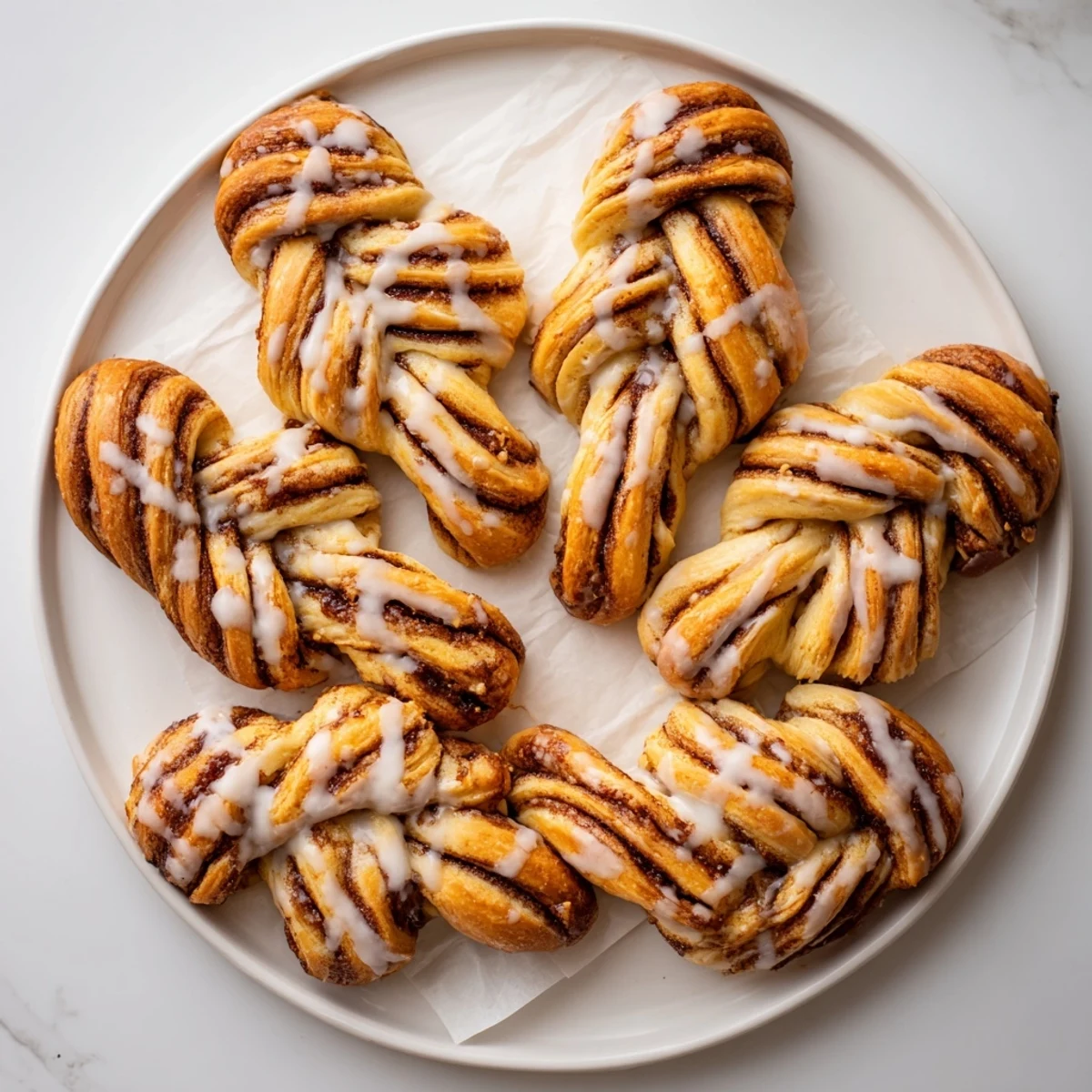
 There's something about pulling warm, cinnamon-scented pastry from the oven that makes even an ordinary Tuesday feel like a celebration. I hope these become part of your own kitchen traditions, however imperfect the twists might look.
Recipe FAQs
- → Can I make these twists ahead of time?
-
Yes. Prepare the dough, fill and twist the strips, then refrigerate overnight on the baking sheet covered tightly. Let them come to room temperature for 30 minutes before baking the next morning.
- → What's the best way to store leftover twists?
-
Keep in an airtight container at room temperature for up to 2 days. For longer storage, freeze individually wrapped twists for up to 3 months and reheat in a 350°F oven for 8-10 minutes.
- → Can I use instant yeast instead of active dry?
-
Absolutely. Substitute the same amount of instant yeast and skip the initial 5-minute activation step in warm milk. Mix it directly with the flour and proceed with the recipe.
- → Why did my dough not rise properly?
-
This usually happens if the milk was too hot (over 115°F kills yeast) or too cold (yeast won't activate). Also ensure your yeast isn't expired. Use a kitchen thermometer for the milk temperature.
- → Can I make these without a glaze?
-
Of course. These twists are delicious on their own. Alternatively, brush with melted butter immediately after baking and sprinkle with extra cinnamon-sugar for a crunchy topping.
