
 Pin it
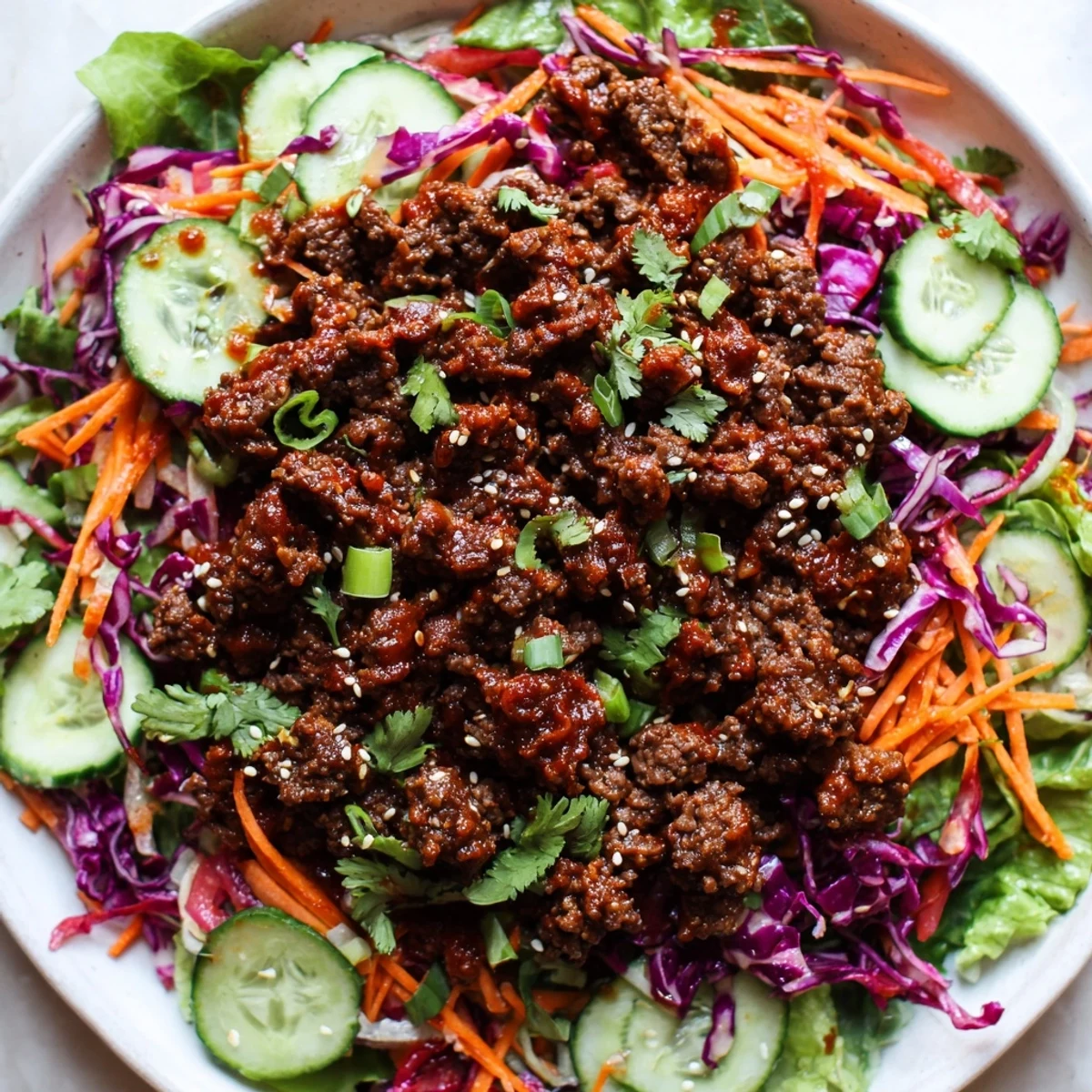
 This satisfying bowl brings together spicy Korean-seasoned ground beef with fresh, crunchy vegetables for a perfect low-carb meal. The beef gets its signature flavor from gochujang, garlic, ginger, and tamari, creating that classic Korean taste while staying keto-friendly. A simple sesame-lime dressing ties everything together, adding brightness and richness.
Ready in just 30 minutes, this dish balances heat, tang, and crunch beautifully. The beef stays juicy while the vegetables provide refreshing contrast. It's ideal for meal prep and reheats well for lunch the next day.
The first time I made this spicy Korean beef, my kitchen smelled like a street food stall in Seoul. Gochujang sizzling in the pan, sesame oil hitting hot beef, that perfect sweet-spicy aroma curling through the air. I'd been skeptical about keto Asian flavors delivering that punchy satisfaction, but one bite convinced me otherwise. Now it is the weekly request I actually want to make.
My friend Sarah came over for lunch that first experimental batch, skeptical of another keto salad. She took one bite, eyes widened, and immediately asked for the recipe. Now whenever she visits, this appears on the menu without discussion. The way spicy beef cools against crisp greens creates something restaurant worthy yet simple enough for Tuesday.
Ingredients
- 1 lb ground beef 80/20 preferred: Fat carries flavor here so lean beef misses the mark
- 2 tbsp avocado oil: High heat point prevents bitter smoke during searing
- 3 cloves garlic minced: Fresh minced beats jarred every single time for punch
- 1-inch fresh ginger grated: Microplane it fine for even distribution throughout beef
- 2 tbsp tamari: Gluten free soy sauce brings that essential umami depth
- 1 tbsp gochujang: Korean chili paste adds fermented complexity heat cannot replace
- 1 tbsp rice vinegar: Bright acid cuts through rich beef and sesame oil
- 1 tbsp toasted sesame oil: Dark toasted not light creates authentic Korean flavor
- 1 tbsp erythritol: Balances heat and acid without affecting blood sugar
- 1/2 tsp crushed red pepper flakes: Optional but worth it if you love that back of throat heat
- Salt and black pepper: Finish seasoning after sauce reduces for accurate taste
- 6 cups mixed salad greens: Sturdy greens like romaine hold up better than delicate spring mix
- 1 cup shredded red cabbage: Adds crunch and color that makes the bowl pop
- 1 cup cucumber thinly sliced: Cool refreshing contrast against hot spiced beef
- 1/2 cup carrots julienned optional: Skip for strict keto or use radish for similar crunch
- 4 green onions sliced: Both white and green parts bring different layers of flavor
- 1/4 cup fresh cilantro chopped: Bright herbal finish cuts through rich dressing
- 2 tbsp toasted sesame oil: Base for dressing that ties everything together
- 1 tbsp rice vinegar: Same bright acid balance as in the beef marinade
- 2 tsp tamari: Savory depth without thinning out the dressing too much
- 1 tsp keto sweetener: Just enough to round out sharp edges
- 1 tsp fresh lime juice: Fresh squeeze makes a difference bottled cannot match
- 1/2 tsp garlic finely minced: Raw garlic in dressing needs to be almost paste fine
- Pinch of salt: Wake up all the other flavors
- 2 tbsp toasted sesame seeds: Toast them yourself for maximum nutty flavor
- 1 small red chili thinly sliced optional: Fresh heat finish if gochujang was not enough
- Extra cilantro or green onions: Always more herbs makes everything look restaurant beautiful
Instructions
- Sear the beef:
- Heat avocado oil in a large skillet over medium high heat. Add ground beef and cook breaking it up until browned about five to six minutes. Let it develop some brown bits on the bottom of the pan.
- Bloom aromatics:
- Add garlic and ginger to the beef. Sauté for one minute until fragrant but not browned. The kitchen should smell incredible right now.
- Build the sauce:
- Stir in tamari gochujang rice vinegar sesame oil erythritol red pepper flakes salt and black pepper. Cook for two to three minutes until sauce thickens and coats each piece of beef. Remove from heat.
- Whisk the dressing:
- In a small bowl combine sesame oil rice vinegar tamari keto sweetener lime juice garlic and salt. Whisk until completely smooth and emulsified.
- Build the base:
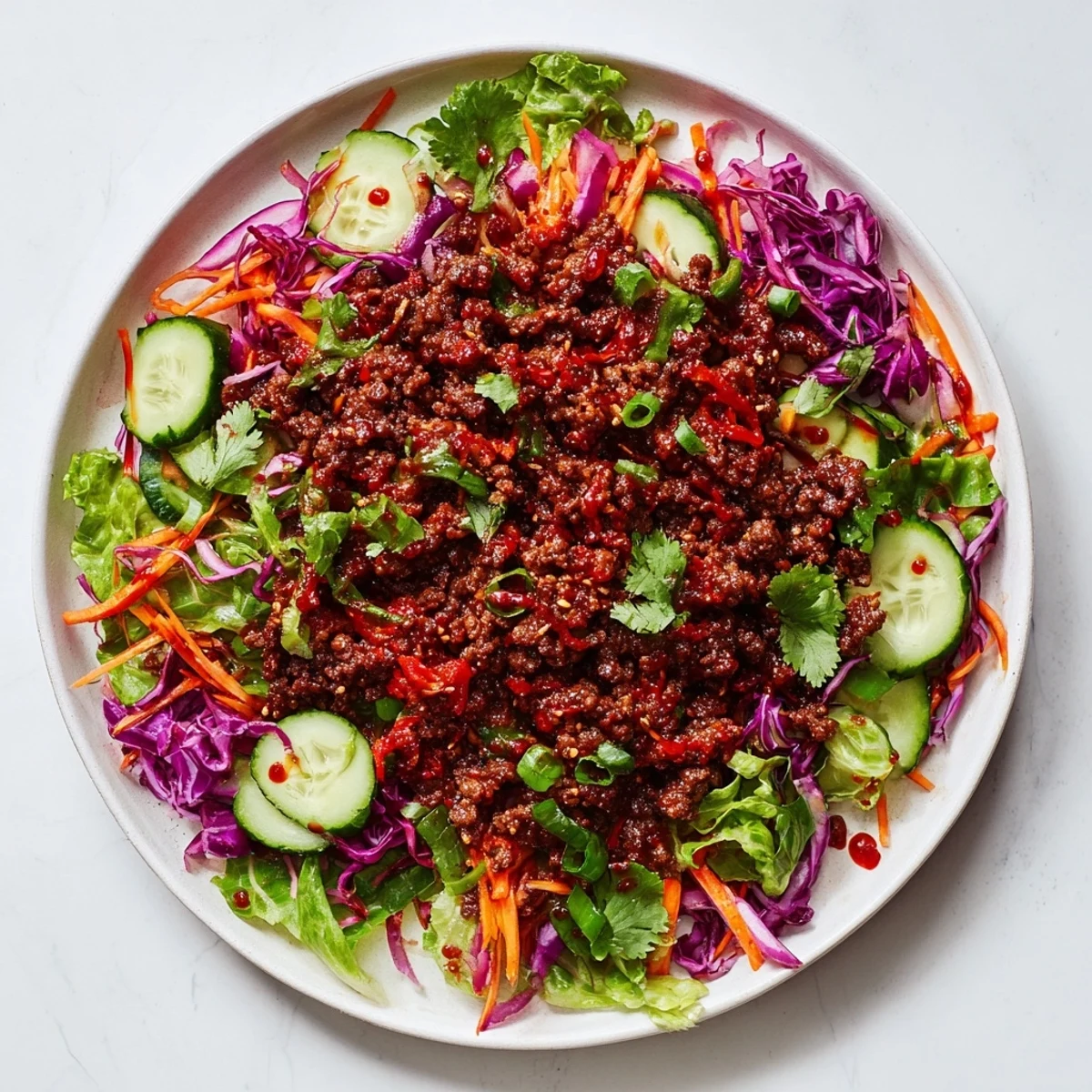
- Divide greens cabbage cucumber carrots green onions and cilantro among four bowls. Arrange them prettily because you eat with your eyes first.
- Top and serve:
- Spoon hot Korean beef over the salads. Drizzle with sesame dressing and garnish with toasted sesame seeds sliced chili and extra herbs. Serve immediately while beef is still hot against cold vegetables.
 Pin it
 What started as experiment has become my go to when I want something that feels indulgent but keeps me in ketosis. That first bowl proved low carb does not mean low flavor. Now whenever I need to convince someone keto can be exciting this is the recipe I reach for.
Making It Your Own
Ground turkey or chicken work beautifully here but watch the cook time since lean meat dries out faster. Add a splash more oil if switching from beef. The sauce carries the dish so protein becomes secondary to those bold Korean flavors.
The Vegetable Strategy
Think about temperature and texture contrast when building your bowl. Something crunchy something cool something fresh all playing against hot spiced beef. That interplay is what makes each bite interesting not just the protein.
Meal Prep Magic
Portion washed greens into containers and store beef separately in the fridge. The flavors actually deepen overnight so you win twice. Dress right before serving so nothing gets soggy.
- Double the beef batch for easy lunch assembly all week
- Pre chop vegetables on Sunday for five minute dinners
- Keep sesame seeds toasted in a jar for instant garnish power
 Pin it
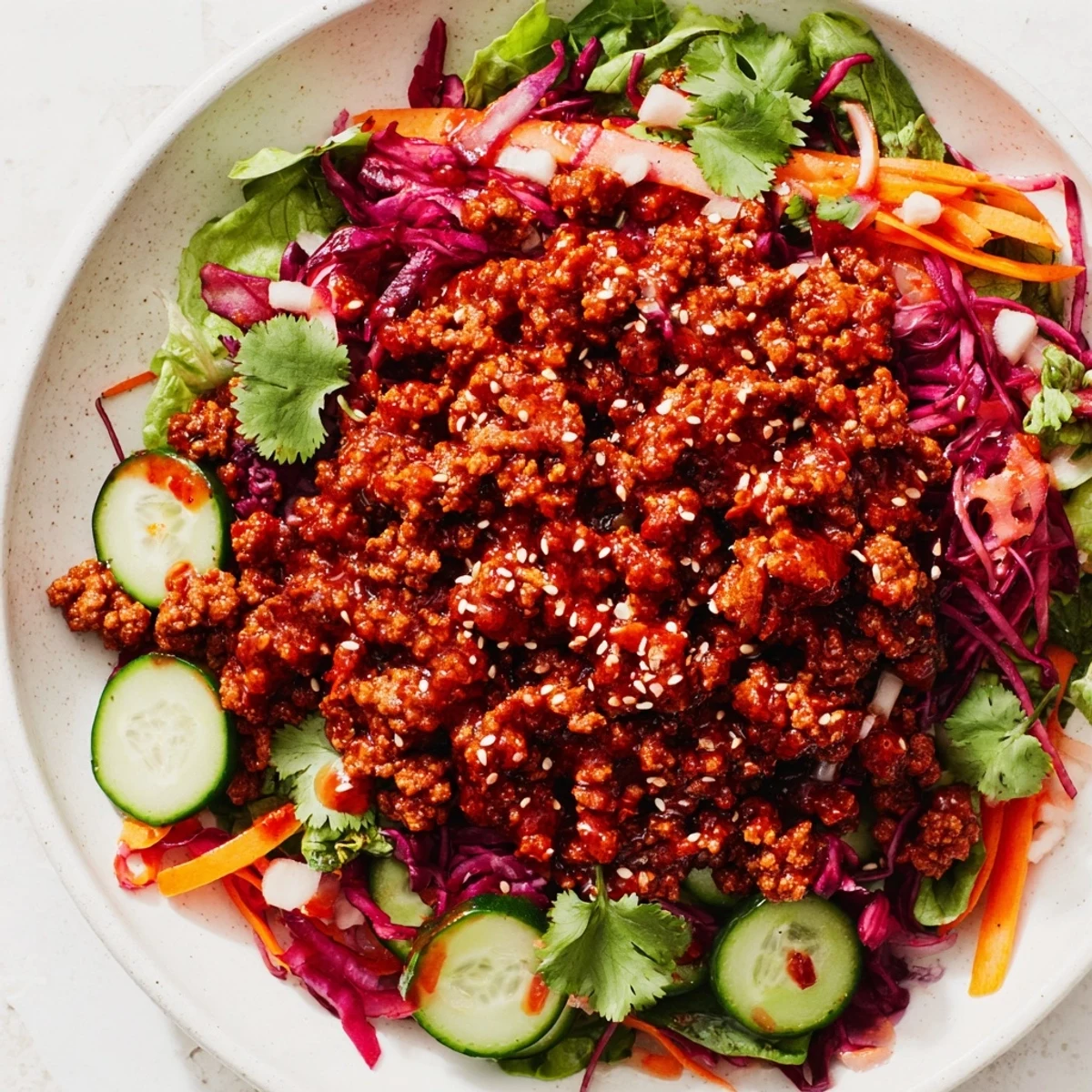
 There is something deeply satisfying about hot spiced beef meeting cold crisp vegetables. That contrast never gets old. Make this once and it will become part of your regular rotation too.
Recipe FAQs
- → Is gochujang keto-friendly?
-
Traditional gochujang contains sugar, but you can find sugar-free versions or substitute with sriracha plus tomato paste. The recipe uses erythritol to keep carbs low while maintaining sweetness.
- → Can I use different proteins?
-
Ground turkey or chicken work well as lighter alternatives. Cooking times remain the same, though you may need slightly more oil with leaner meats to prevent drying.
- → What vegetables work best?
-
Romaine, spinach, cabbage, and cucumber provide excellent crunch and absorb the spicy flavors well. For strict keto, replace carrots with radishes or additional cucumber.
- → How should I store leftovers?
-
Keep components separate in airtight containers—the beef lasts 3-4 days refrigerated. Store dressing separately and assemble just before eating to maintain texture.
- → Can I make this less spicy?
-
Reduce gochujang to 1 teaspoon and omit red pepper flakes. The dish will still have great flavor from garlic, ginger, and sesame without the heat.
- → What pairs well with this bowl?
-
A crisp dry white wine or sparkling water with lime complements the spicy beef. For extra crunch, add roasted low-carb vegetables like cauliflower or broccoli.
