
 Pin it
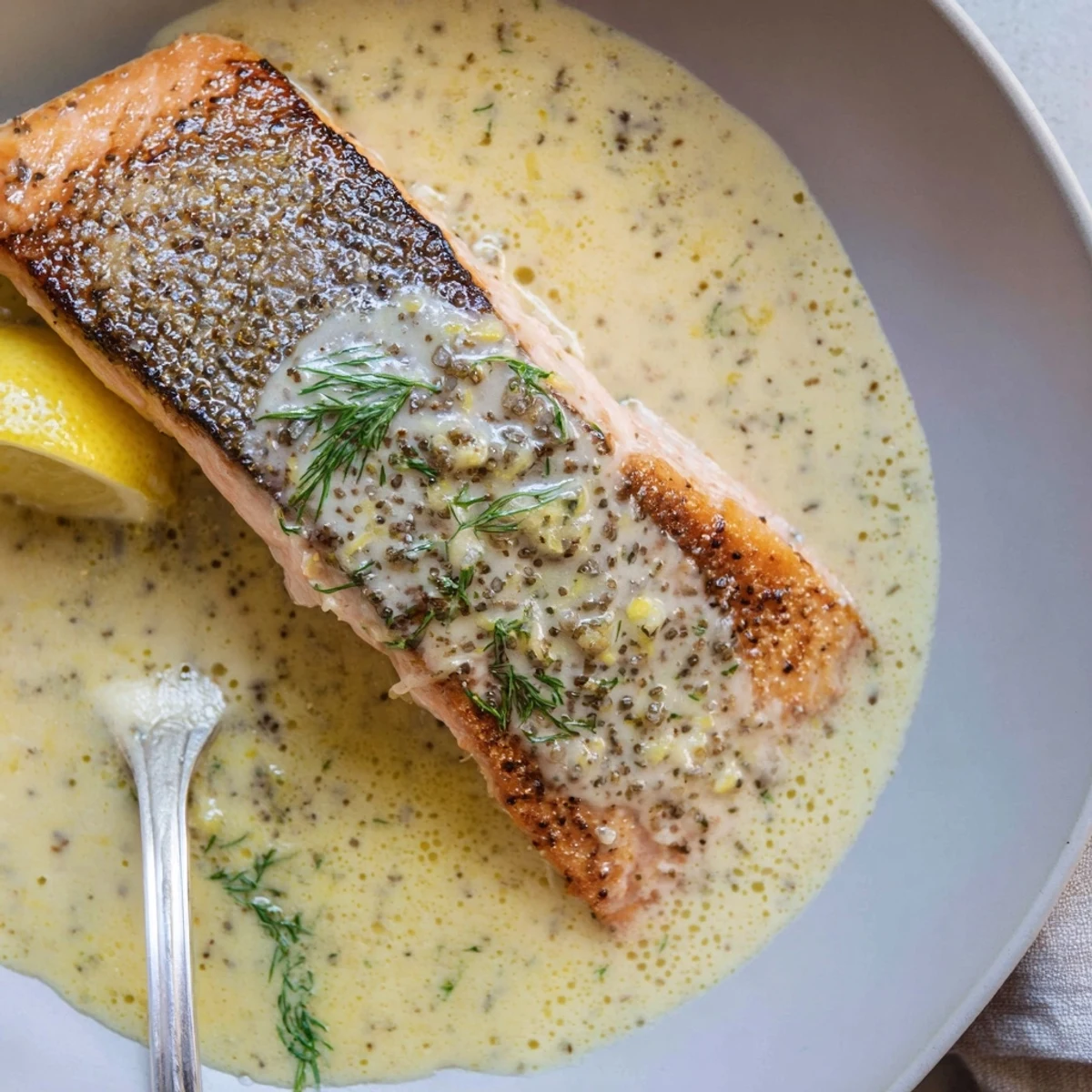
 Season and pat dry skinless salmon fillets, then pan-sear in olive oil 3–4 minutes per side until golden and just cooked through. In the same pan, melt butter, sauté garlic, deglaze with white wine or stock, then stir in heavy cream, lemon juice and zest; simmer until slightly thickened. Fold in chopped dill, return the fillets to warm through, and serve with steamed vegetables, roasted potatoes, or rice. For a lighter finish use half-and-half or crème fraîche, or add a teaspoon of Dijon for extra richness.
The sound of butter hitting a hot pan on a Tuesday evening changed my relationship with fish forever. I had bought salmon on impulse, drawn to its coral color at the market, with zero plan beyond get it crispy. A squeeze of lemon and a splash of cream later, I was standing at the stove eating straight from the skillet, telling myself I would plate it properly next time.
My neighbor Karen smelled it through the open window once and appeared at my door with a bottle of Sauvignon Blanc and no shame. We stood in the kitchen eating off cutting boards because I had not done dishes that day, and she declared it the best thing I had ever made. She was probably right.
Ingredients
- 4 skinless salmon fillets, 6 oz each: Skinless means the sauce clings directly to the flesh instead of sliding off. Pat them very dry with paper towels or you will never get that golden crust.
- Salt and freshly ground black pepper: Season both sides generously. Salmon can handle more salt than you think.
- Olive oil: Just a tablespoon in a good nonstick pan is all you need for a beautiful sear.
- Unsalted butter: This is the foundation of the sauce. Unsalted lets you control the seasoning from scratch.
- Garlic, finely minced: Two cloves give a gentle warmth without overpowering the lemon. Smash them before mincing for the best texture.
- Dry white wine: It deglazes the pan and adds brightness. Fish stock works beautifully if you prefer to skip alcohol entirely.
- Heavy cream: This is what makes the sauce silky and luxurious. Half and half works but the sauce will be thinner and need a bit more simmering time.
- Fresh lemon juice and lemon zest: The zest carries floral perfume while the juice cuts through the richness. Use a real lemon, not the bottled stuff.
- Fresh dill or parsley: Dill is the classic pairing with salmon and adds a grassy sweetness. Parsley is lovely if dill is unavailable.
Instructions
- Season the salmon:
- Pat the fillets thoroughly dry with paper towels and sprinkle both sides with salt and pepper. The drier the surface, the better your sear will be.
- Sear to golden perfection:
- Heat olive oil in a large nonstick skillet over medium high heat until it shimmers. Lay the salmon flesh side down and cook three to four minutes per side until a deep golden crust forms and the fish is just cooked through. Transfer to a plate and tent loosely with foil.
- Wake up the garlic:
- Reduce the heat to medium and melt the butter in the same pan. Add the minced garlic and stir for about one minute until your kitchen smells incredible but the garlic has not browned.
- Build the sauce base:
- Pour in the white wine and let it bubble for two to three minutes, scraping up every caramelized bit stuck to the pan. Those bits are pure flavor and this step is worth every second.
- Add the cream and citrus:
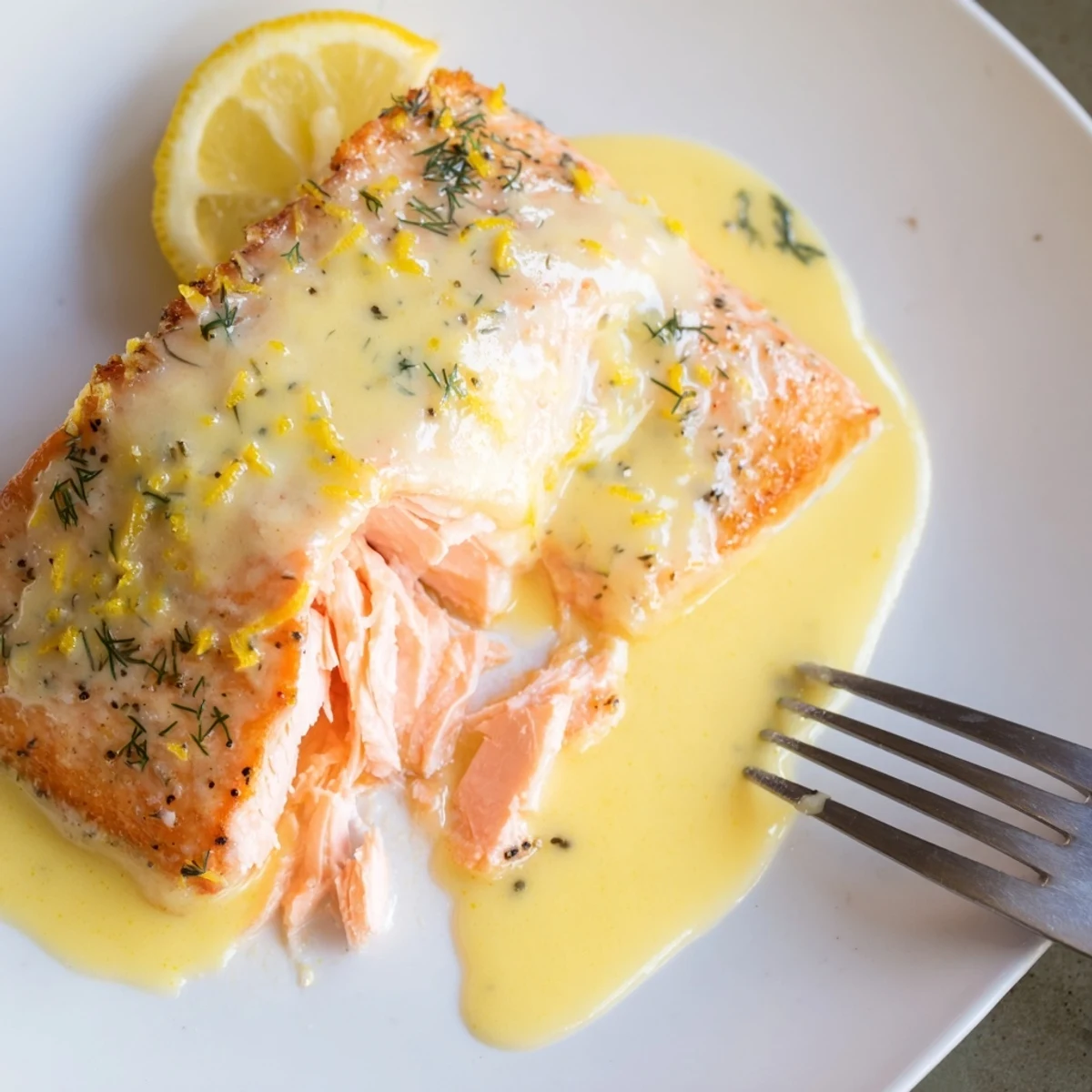
- Stir in the heavy cream, lemon juice, and lemon zest. Let it simmer gently for three to four minutes until it coats the back of a spoon and looks silky.
- Finish with herbs:
- Stir in the chopped dill or parsley and taste the sauce. Add salt and pepper until it sings, because a bland sauce will let the whole dish down.
- Bring it all together:
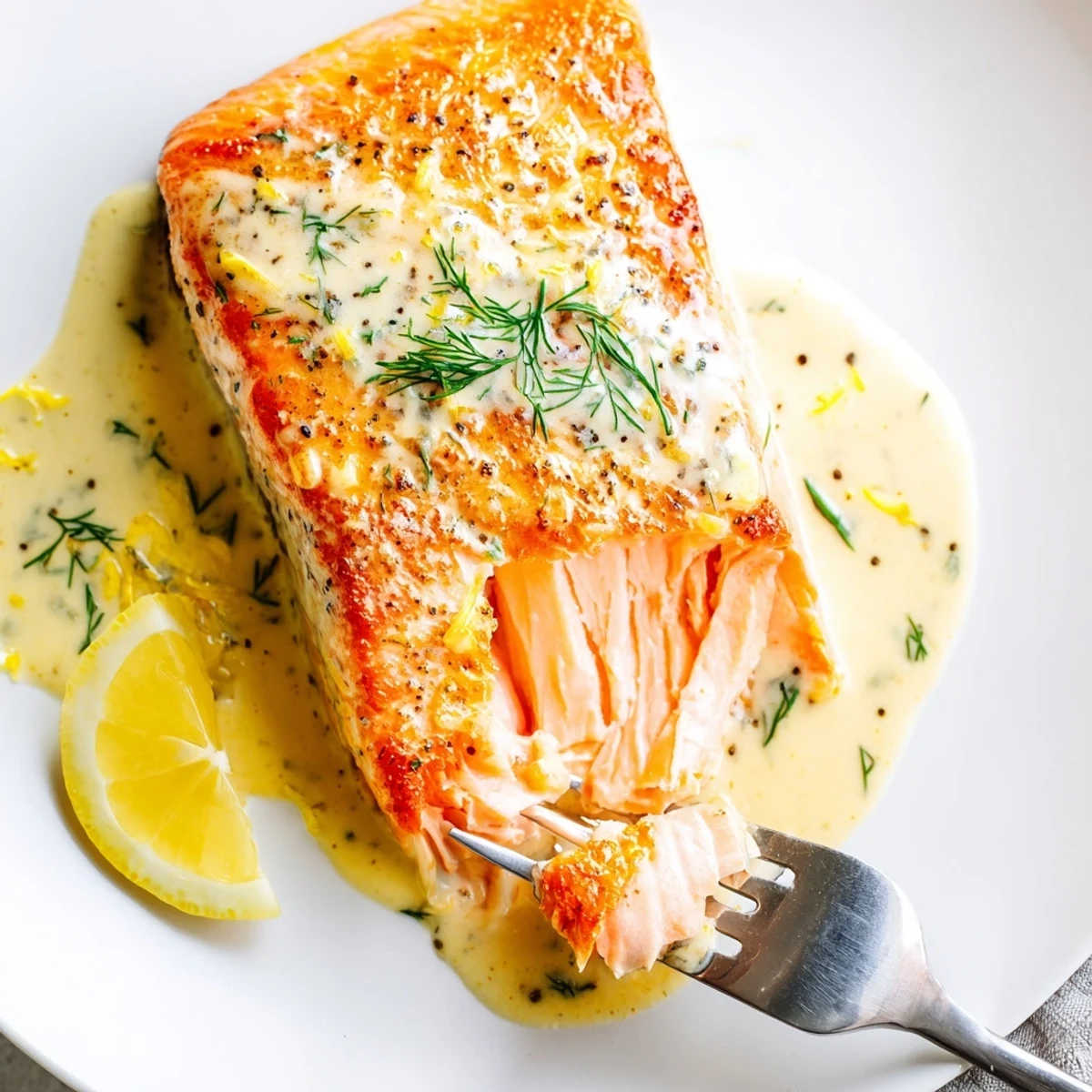
- Nestle the salmon back into the pan and spoon the sauce over each fillet for one to two minutes just to warm it through. Serve immediately with extra herbs and lemon wedges on the side.
 Pin it
 I made this for my mother on her birthday once, candles flickering between the plates, and she went quiet after the first bite in the way that means you do not need words.
What to Serve Alongside
Roasted baby potatoes with rosemary are my go-to because they soak up the extra sauce beautifully. Steamed asparagus or green beans add a crisp contrast that balances the richness of the cream.
Making It Lighter Without Losing the Magic
Crème fraîche stirred in at the end instead of heavy cream gives you a tangy, lighter sauce that still feels indulgent. A teaspoon of Dijon mustard swirled in with the cream adds depth and a gentle heat that pairs wonderfully with the lemon.
Picking the Right Salmon
Wild caught salmon has a firmer texture and more pronounced flavor that stands up beautifully to the cream sauce. Farm raised tends to be fattier and more forgiving if you accidentally overcook it by a minute.
- Look for fillets that smell like clean ocean water, never fishy.
- Let the salmon sit at room temperature for ten minutes before cooking so it sears evenly.
- Check for pin bones by running your fingers along the center of each fillet and pull any you find with tweezers.
 Pin it
 This is the kind of recipe you memorize once and then make your own forever, adjusting the lemon and cream until it tastes exactly like home.
Recipe FAQs
- → How can I get a golden crust on the salmon?
-
Pat fillets very dry and season just before cooking. Use a hot skillet and a thin layer of oil, place salmon flesh-side down and avoid moving it for 3–4 minutes so a golden crust forms before flipping.
- → How do I tell when the salmon is done?
-
Cook until the flesh flakes easily with a fork and is opaque through most of the fillet, about 3–4 minutes per side for 6 oz pieces. A slight translucent center is fine if you prefer slightly undercooked salmon.
- → Can I use frozen salmon or different fish?
-
Thaw frozen salmon thoroughly and dry well before cooking. Firm, fatty fish such as trout or arctic char work well with the lemon cream technique if you want alternatives.
- → What can I substitute for heavy cream?
-
For a lighter sauce, use half-and-half or crème fraîche. If avoiding dairy, try a fish or vegetable stock thickened slightly with a beurre manié or a touch of coconut cream for a different flavor profile.
- → How long will leftovers keep and how should I reheat them?
-
Store cooled salmon and sauce in an airtight container in the fridge for up to 2 days. Reheat gently in a low skillet over medium-low heat, spooning sauce over the fillets to warm without drying them out.
- → What sides and wines pair best with this dish?
-
Serve with steamed vegetables, roasted potatoes, or rice. A crisp white like Sauvignon Blanc or Pinot Grigio complements the lemon and cream without overpowering the salmon.
