
 Pin it
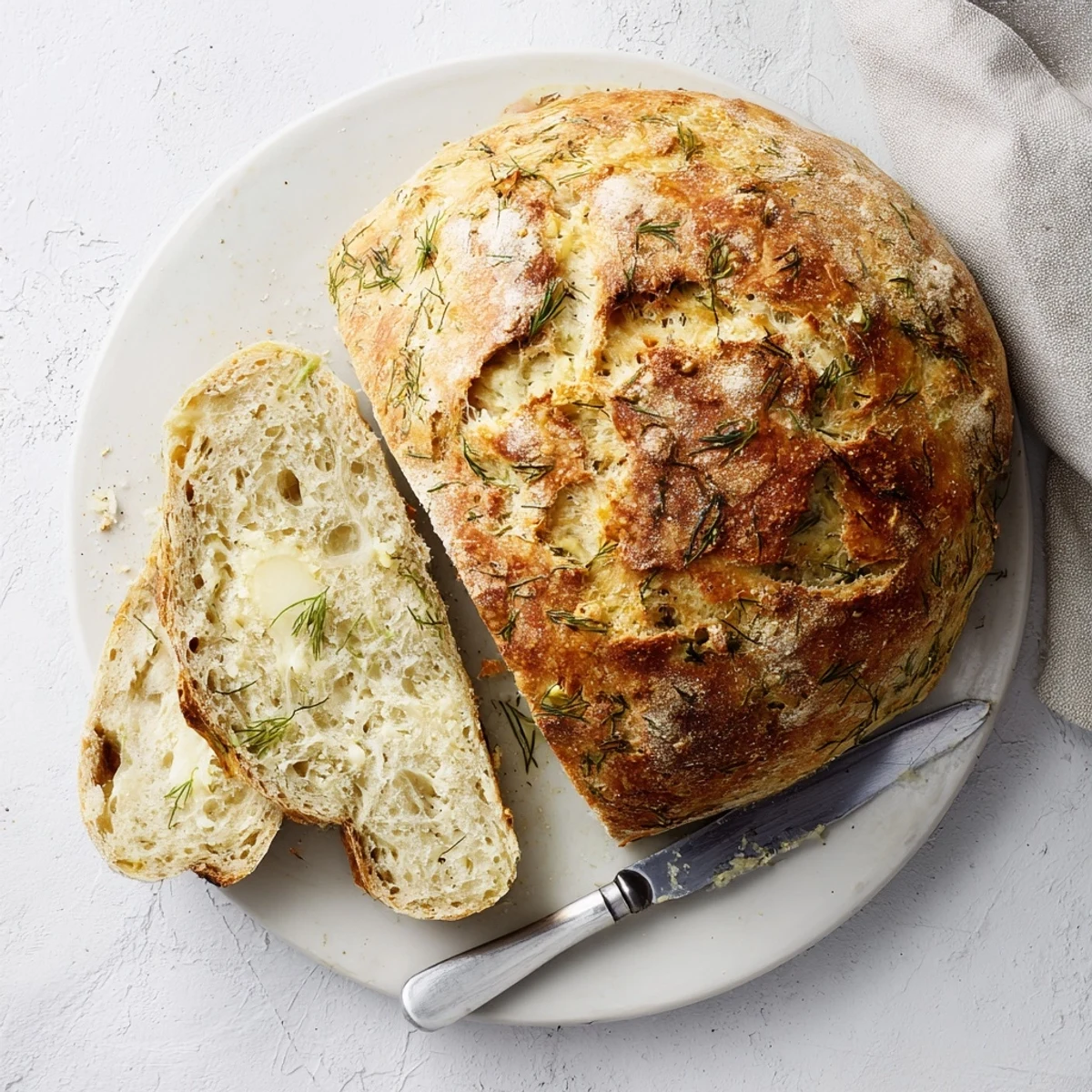
 This artisan-style loaf combines the aromatic brightness of fresh dill with rich, melted Gouda throughout. The no-knead method creates an irresistibly crisp exterior and tender interior, developing deep flavors during an overnight rise. Simply mix, let rest, then bake in a hot Dutch oven for professional-quality results with minimal effort.
The winter I discovered no-knead bread was the same winter my tiny apartment oven became my favorite appliance. I'd been intimidated by artisan bread for years, convinced it required mysterious powers or at least a stand mixer I couldn't afford. One rainy Sunday, I mixed flour and water in a bowl and forgot about it. The next morning, I had the most beautiful, bubbling, living dough I'd ever seen. That first loaf was plain, but the crust shattered like glass and the inside was shot through with holes.
I started adding cheese and herbs after a dinner party where I served the plain version alongside a hearty soup. My friend Sarah, who never took second helpings of anything, reached for a third slice and mentioned how it would be perfect with sharp cheese and something fresh. The next week, I folded in some aged Gouda I'd picked up at the farmers market and a handful of dill from my windowsill. The apartment smelled incredible as it baked, and that loaf disappeared faster than anything I'd ever made.
Ingredients
- Bread flour: The higher protein content creates structure that holds up to the cheese weight, though all purpose works in a pinch
- Instant yeast: No need to proof it first, just mix it directly into the flour for foolproof activation
- Salt: Don't reduce this, as it balances the rich cheese and prevents the bread from tasting flat
- Gouda cheese: Aged Gouda gives deeper flavor, but young Gouda melts more dramatically, so choose based on your texture preference
- Fresh dill: Finely chopping it distributes the flavor evenly throughout the dough, preventing concentrated pockets of herb intensity
- Cracked black pepper: Optional, but adds a gentle heat that cuts through the creaminess of the melted cheese
- Lukewarm water: Should feel like bath temperature, too hot kills yeast, too cold slows fermentation
Instructions
- Mix the dough:
- Combine flour, salt, and yeast in a large bowl, then add grated Gouda, dill, and pepper before pouring in the water. Stir until everything comes together into a shaggy, sticky mass, some dry patches are perfectly fine.
- Let it rest:
- Cover the bowl tightly with plastic wrap or a lid and leave it at room temperature for 12 to 18 hours. You'll know it's ready when the surface is dotted with bubbles and the dough has more than doubled in size.
- Shape the loaf:
- Turn the dough onto a heavily floured surface, it will be quite loose and sticky. With well floured hands, gently fold the edges toward the center to create a round, then place it seam side down on parchment paper.
- Second rise:
- Cover loosely with a clean towel and let it rest for 30 to 60 minutes while you preheat your oven with the Dutch oven inside.
- Preheat with Dutch oven:
- Place your Dutch oven and its lid in the oven and heat to 450°F for at least 30 minutes, this initial blast of intense heat creates the signature crisp crust.
- Bake covered:
- Carefully lift the parchment and dough into the screaming hot Dutch oven, score the top with a sharp knife, and cover with the lid. Bake for 30 minutes to trap steam.
- Finish uncovered:
- Remove the lid and continue baking for 15 to 20 minutes until the crust is deep golden brown and sounds hollow when tapped.
- Cool completely:
- Let the bread rest on a wire rack for at least an hour, slicing too soon will make the interior gummy and the crust will soften too quickly.
 Pin it
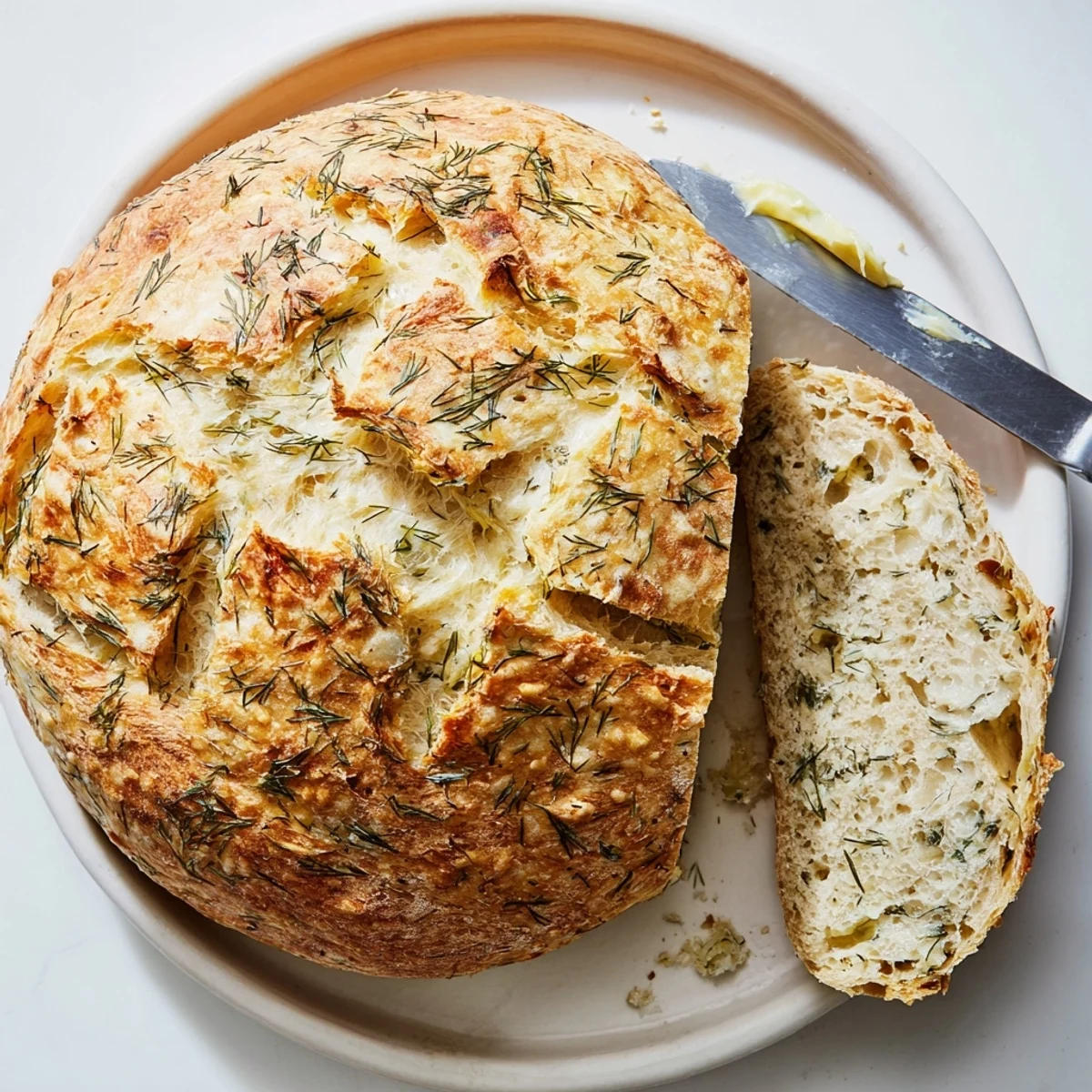
 This bread has become my go to for housewarming gifts and dinner party contributions. I love hearing from friends weeks later that they finally attempted their first no knead loaf after trying mine. Something about pulling a gorgeous, cheese studded bread from a humble Dutch oven makes people feel like they can tackle anything in the kitchen.
Choosing Your Cheese
I've learned that harder, aged cheeses like extra sharp Gouda or Parmesan create distinct flavor pockets throughout the crumb. Softer cheeses like young Gouda or Emmental melt into continuous strands, giving you that gorgeous cheese pull in every slice. Both are wonderful, just different experiences entirely.
Timing Your Bake
After much experimentation, I've found that mixing the dough before bed works beautifully for morning baking. The overnight fermentation develops incredible depth, and there's something almost magical about coffee brewing while the Dutch oven heats up. Weekend mornings have become my favorite time to bake, filling the whole day with the promise of warm bread.
Serving Suggestions
This loaf shines alongside a simple vegetable soup or as the foundation for an exceptional grilled cheese. I've also served it toasted with soft scrambled eggs for brunch, where the dill and eggs create an unexpected harmony. The bread keeps well for two days wrapped in foil, though the crust will soften.
- For extra indulgence, brush the crust with melted butter mixed with minced garlic immediately after baking
- The leftover heels make phenomenal croutons when cubed and toasted in olive oil
- If you only have dried dill, reduce to one tablespoon and rehydrate it in the warm water for 10 minutes before mixing
 Pin it
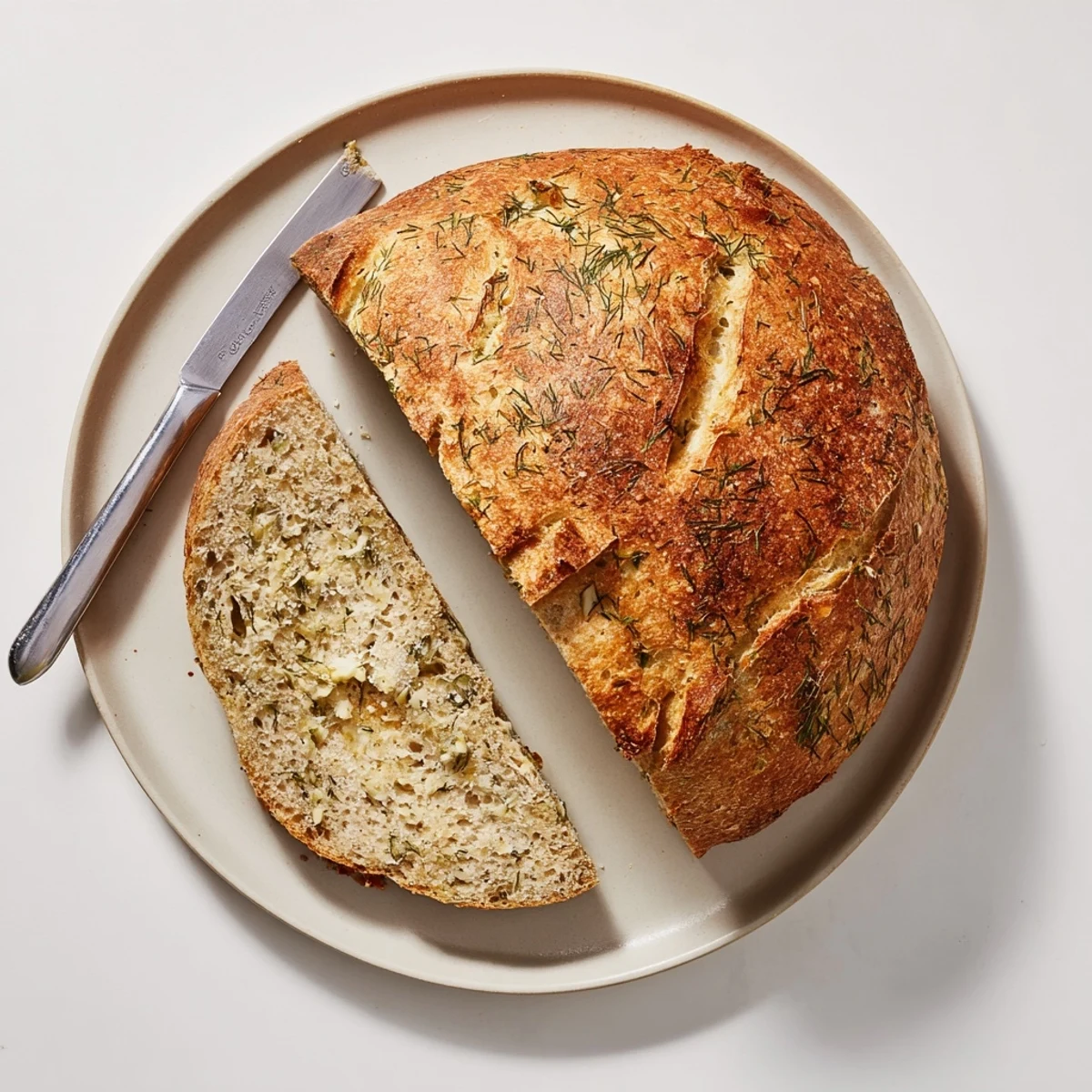
 There's something deeply satisfying about transforming four ingredients and water into something this extraordinary. I hope this bread finds its way into your kitchen and onto your table, creating its own memories along the way.
Recipe FAQs
- → Can I use dried dill instead of fresh?
-
Yes, substitute 1 tablespoon dried dill for the 3 tablespoons fresh. The flavor will be slightly milder, so consider adding the herbs directly to the dough rather than sprinkling on top.
- → What cheese works best as a Gouda substitute?
-
Cheddar, Emmental, or aged provolone work beautifully. Choose a cheese that melts well and has enough fat content to keep the crumb moist. Sharp varieties add more pronounced flavor.
- → Why must the dough rise for 12–18 hours?
-
The extended fermentation develops complex flavors and creates the bread's signature airy texture. This slow rise allows enzymes to break down starches and gluten to relax, eliminating the need for kneading.
- → Can I bake this without a Dutch oven?
-
While a Dutch oven creates the best crust, you can use a heavy baking stone or steel covered with a large metal bowl. Alternatively, bake on a preheated baking sheet and create steam by placing a pan of hot water on the oven floor.
- → How should I store the finished loaf?
-
Wrap cooled bread in a clean kitchen towel or paper bag to maintain crust texture for 1–2 days. For longer storage, slice and freeze in a resealable bag—toast individual slices straight from frozen.
- → Why is it important to cool the loaf before slicing?
-
Resting for at least 1 hour allows the interior structure to set. Cutting too soon releases trapped steam, making the crumb gummy and dense. This cooling period ensures the texture remains light and tender.
