
 Pin it
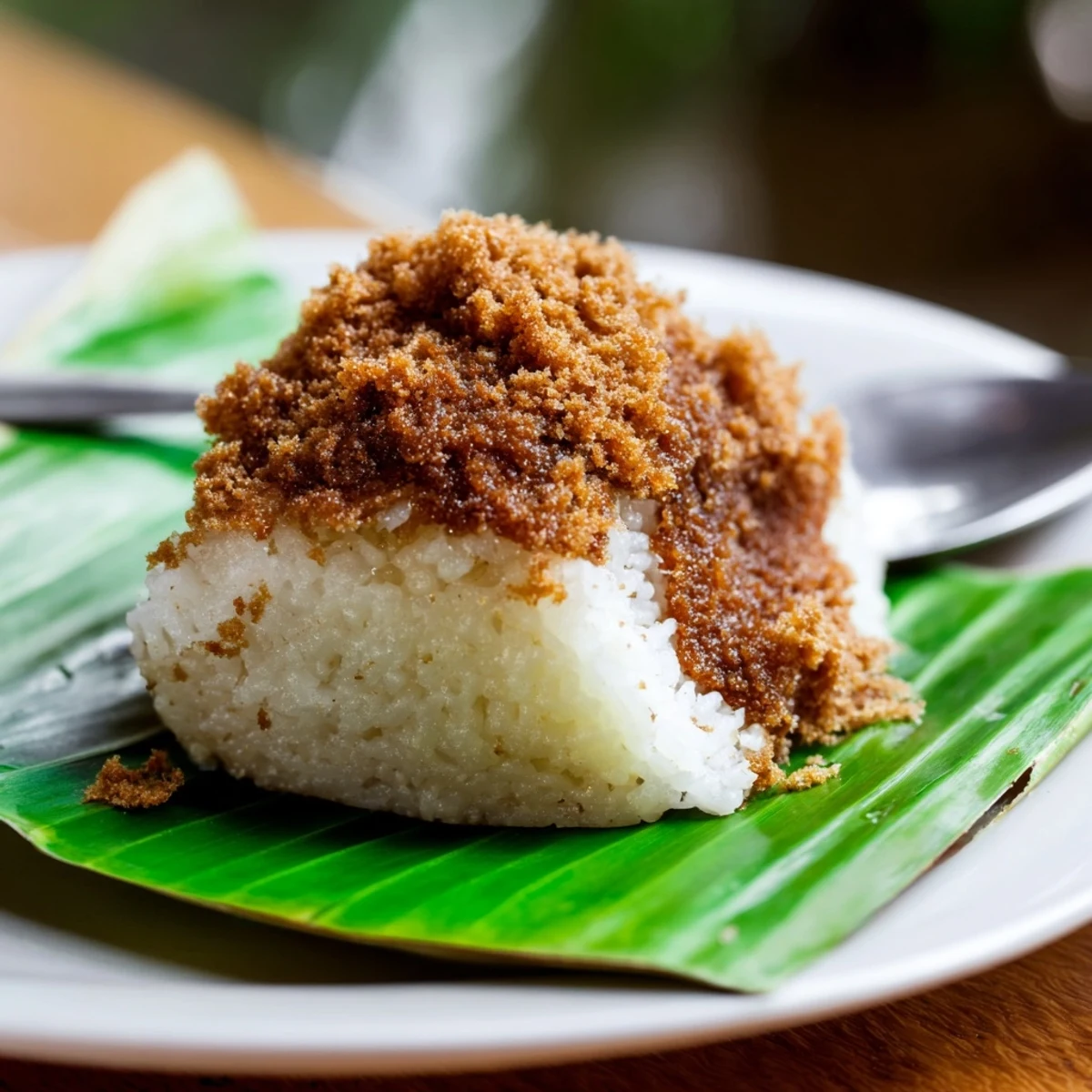
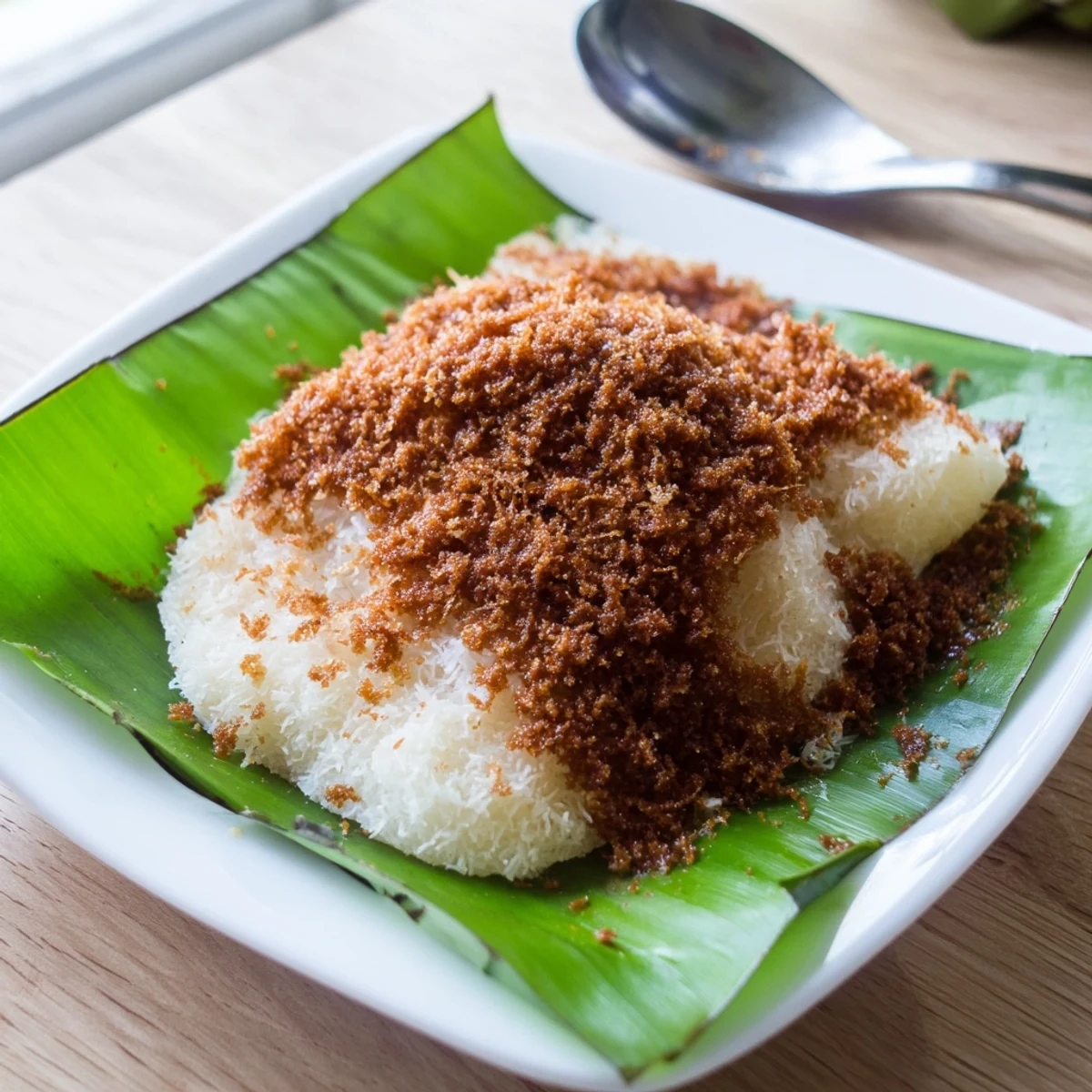
 Experience the authentic taste of Malaysia with Pulut Inti, a cherished traditional kuih combining sticky glutinous rice with fragrant sweet coconut topping. This beloved dessert features tender steamed rice infused with coconut milk, crowned with a rich palm sugar-coconut mixture, and traditionally wrapped in aromatic banana leaves.
The preparation involves soaking glutinous rice for optimal texture, steaming with coconut milk until perfectly sticky, and creating the signature Inti topping by simmering freshly grated coconut with gula Melaka palm sugar. The optional blue pea flower extract adds beautiful color while maintaining the authentic flavor profile.
Perfect for celebrations or afternoon tea, these handheld treats offer a delightful balance of sweet and savory elements. The natural wrapper imparts subtle aroma while keeping the contents moist. Best enjoyed at room temperature when the coconut topping is perfectly set and the rice remains tender.
The aroma of steaming glutinous rice mingled with sweet coconut always transports me back to my grandmother's kitchen in Kuala Lumpur. She'd make these delicate parcels during festivals, her hands moving with practiced ease as she folded banana leaves around the fragrant rice. I still remember sneaking into the kitchen to steal warm spoonfuls of the coconut topping before she could assemble everything. Now, making Pulut Inti in my own kitchen feels like continuing a delicious thread that connects generations.
Last Ramadan, I made a huge batch to share with my neighbors who had never tried Malaysian kuih before. Watching their eyes light up at that first bite of sweet coconut against tender rice reminded me why food is such a beautiful bridge between cultures. The blue pea flower version especially captivated the children, who called it magic rice.
Ingredients
- Glutinous rice: Soaking this rice overnight is non-negotiable, that extra hydration time is what transforms it from merely sticky to impossibly tender
- Coconut milk: Fresh coconut milk makes the rice incredibly fragrant, but if you're using canned, look for brands without additives
- Palm sugar: Gula Melaka has this incredible smoky caramel depth that regular brown sugar just can't replicate, though it will work in a pinch
- Fresh coconut: The white part only, any brown bits will make your topping look speckled and less pristine
- Pandan leaf: This adds such a subtle floral background note, but don't worry if you can't find it
- Banana leaves: They're not just pretty packaging, they impart this subtle grassy aroma that makes everything taste more authentic
Instructions
- Get that rice soaking:
- Toss your glutinous rice into a bowl with plenty of water and forget about it for at least 4 hours, or overnight if you're the planning-ahead type
- Steam until tender:
- Drain that soaked rice and mix it with coconut milk and salt, then steam for about 30 minutes, giving it a stir halfway through so everything cooks evenly
- Make the sweet coconut topping:
- Melt your palm sugar with water and pandan leaf until you have this gorgeous dark syrup, then toss in the coconut and cook until it's moist but not drowning in liquid
- Wrap it all up:
- Scoop some rice onto a softened banana leaf, flatten it slightly, pile on that coconut goodness, and fold the leaf around it like you're tucking someone into bed
 Pin it
 My aunt once wrapped these too tightly in banana leaves, and we ended up having to peel back layer after layer like presents. Everyone laughed so hard that it became a family joke, and now we always leave the tops slightly open on purpose.
Getting The Wrapping Right
Softening your banana leaves in hot water makes them pliable and less likely to crack when you fold them. I've learned the hard way that cold, stiff leaves will tear at the most frustrating moments.
Perfecting The Sweetness Balance
Palm sugar varies in sweetness, so taste your coconut topping before you start assembling. I keep a tiny bowl of grated coconut on the side to mix in if I've accidentally made it too sweet.
Serving Suggestions
These are best enjoyed the same day they're made, when the rice is still pillowy and the coconut topping is at its most fragrant. Let them come to room temperature before serving, that's when the flavors really sing together.
- Pair with a cup of hot Malaysian tea for the ultimate afternoon snack experience
- If serving at a party, make smaller bite-sized versions so guests can try multiple pieces
- Leftovers can be briefly steamed again to revive their texture
 Pin it
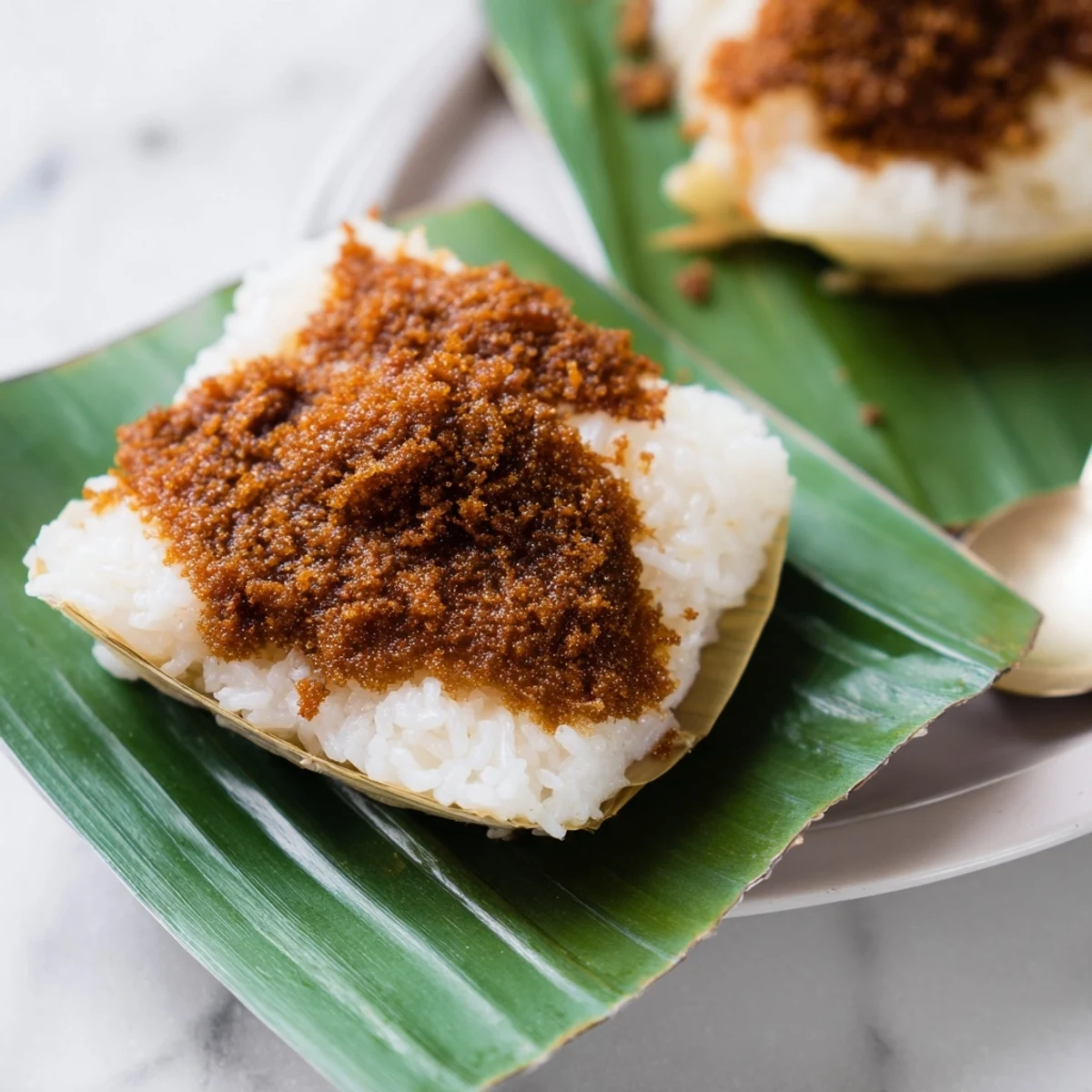
 There's something so satisfying about unwrapping each parcel, revealing that beautiful contrast of white rice and golden coconut inside. It's a little moment of joy that never gets old.
Recipe FAQs
- → What makes Pulut Inti authentic Malaysian?
-
Authentic Pulut Inti uses gula Melaka (palm sugar) and fresh grated coconut for the topping, while the glutinous rice is steamed with coconut milk. Wrapping in banana leaves adds traditional aroma and presentation.
- → How long should glutinous rice be soaked?
-
Soak glutinous rice for at least 4 hours or overnight. This ensures proper hydration for tender, sticky texture after steaming. Longer soaking yields better results.
- → Can I make Pulut Inti without banana leaves?
-
Yes, serve on small plates or use parchment paper for wrapping. While banana leaves add authentic aroma and presentation, the dish remains delicious without them.
- → What is the ideal texture for the coconut topping?
-
The Inti should be moist but not watery. Cook until the coconut absorbs the palm sugar syrup completely while remaining tender. Avoid overcooking as coconut can become dry and tough.
- → How should Pulut Inti be stored?
-
Keep in an airtight container at room temperature for up to 1 day. For longer storage, refrigerate and re-steam before serving to restore texture and warmth.
- → Is blue pea flower extract necessary?
-
No, blue pea flower extract is optional. It adds signature blue color without altering flavor. Omit for natural white rice color or use other natural coloring if desired.
