
 Pin it
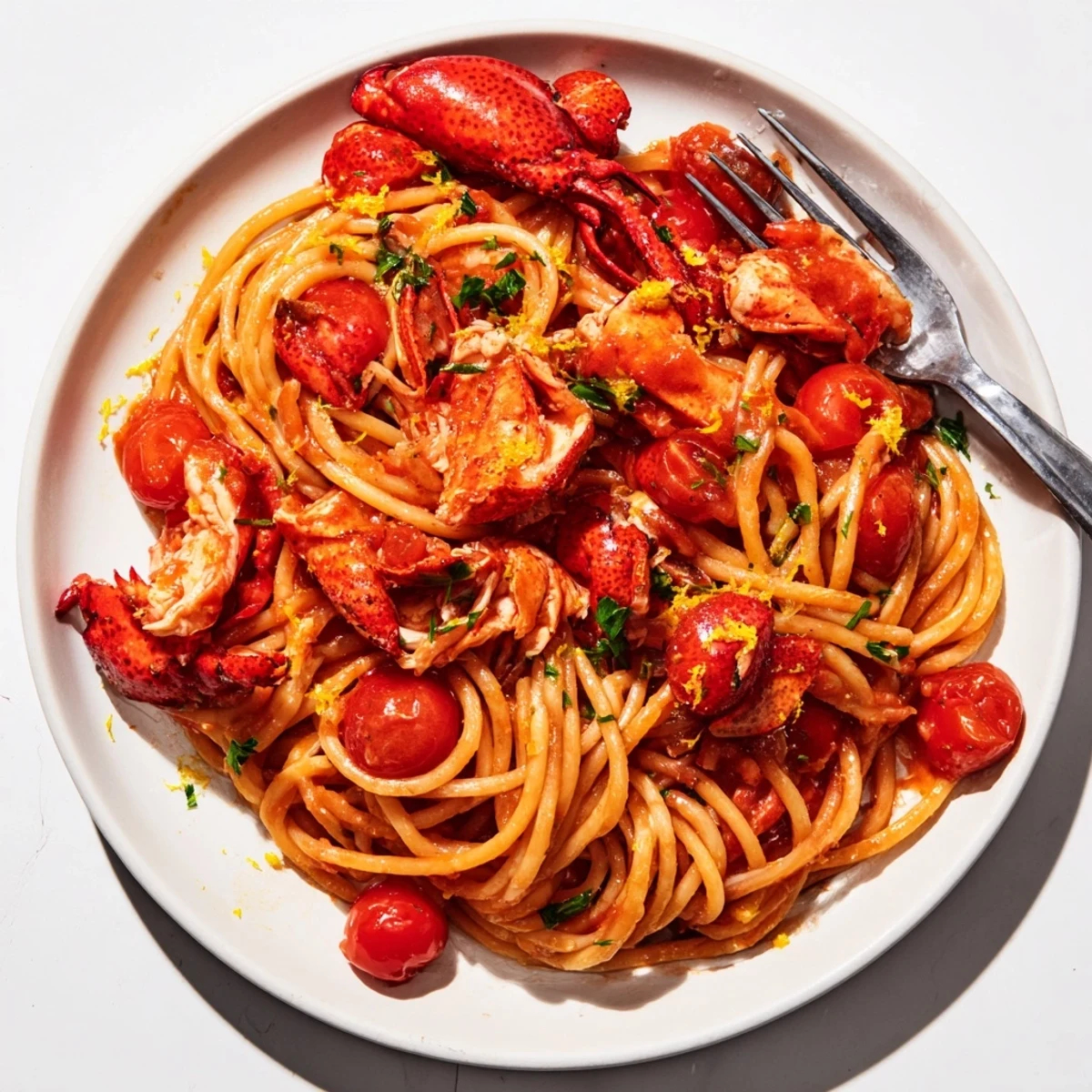
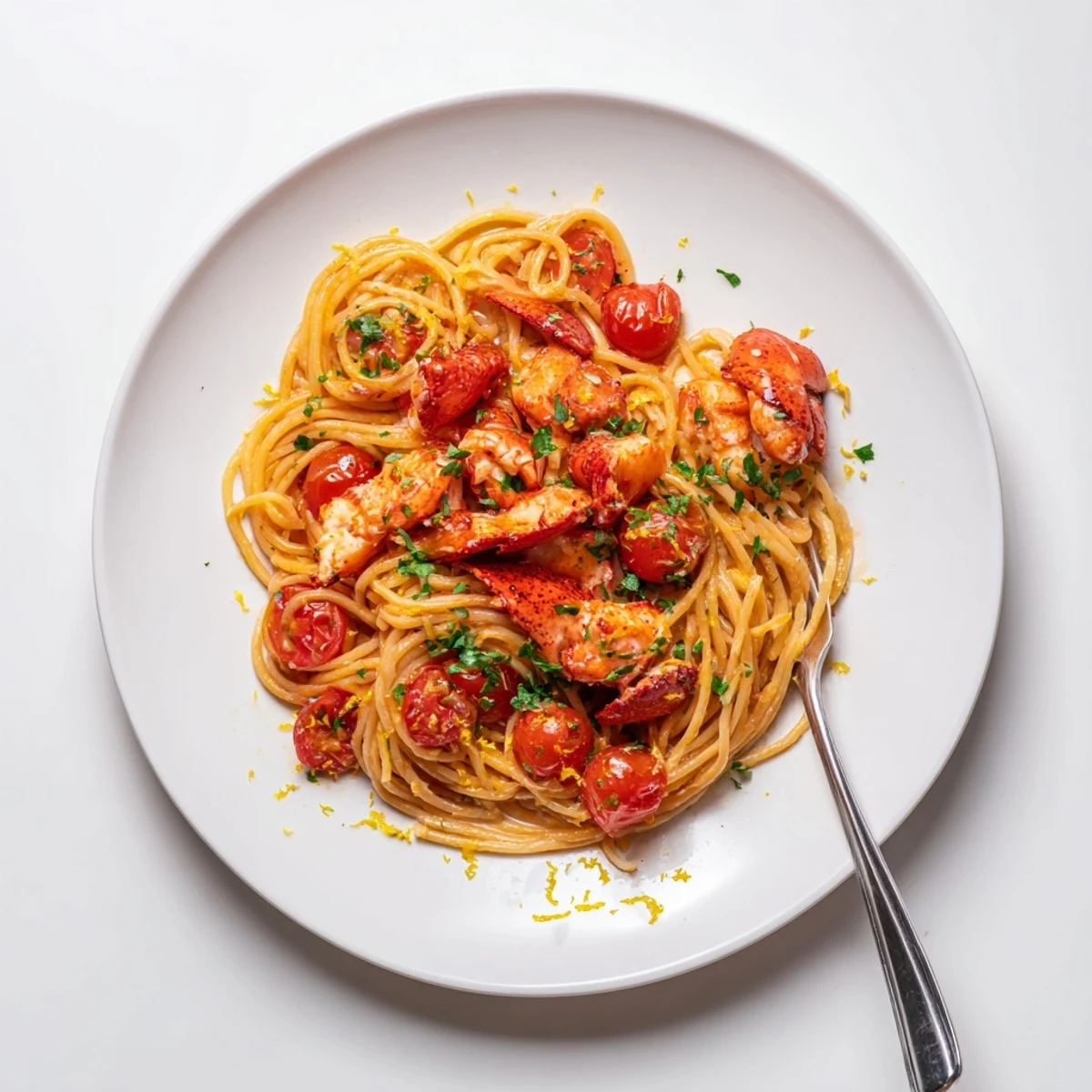
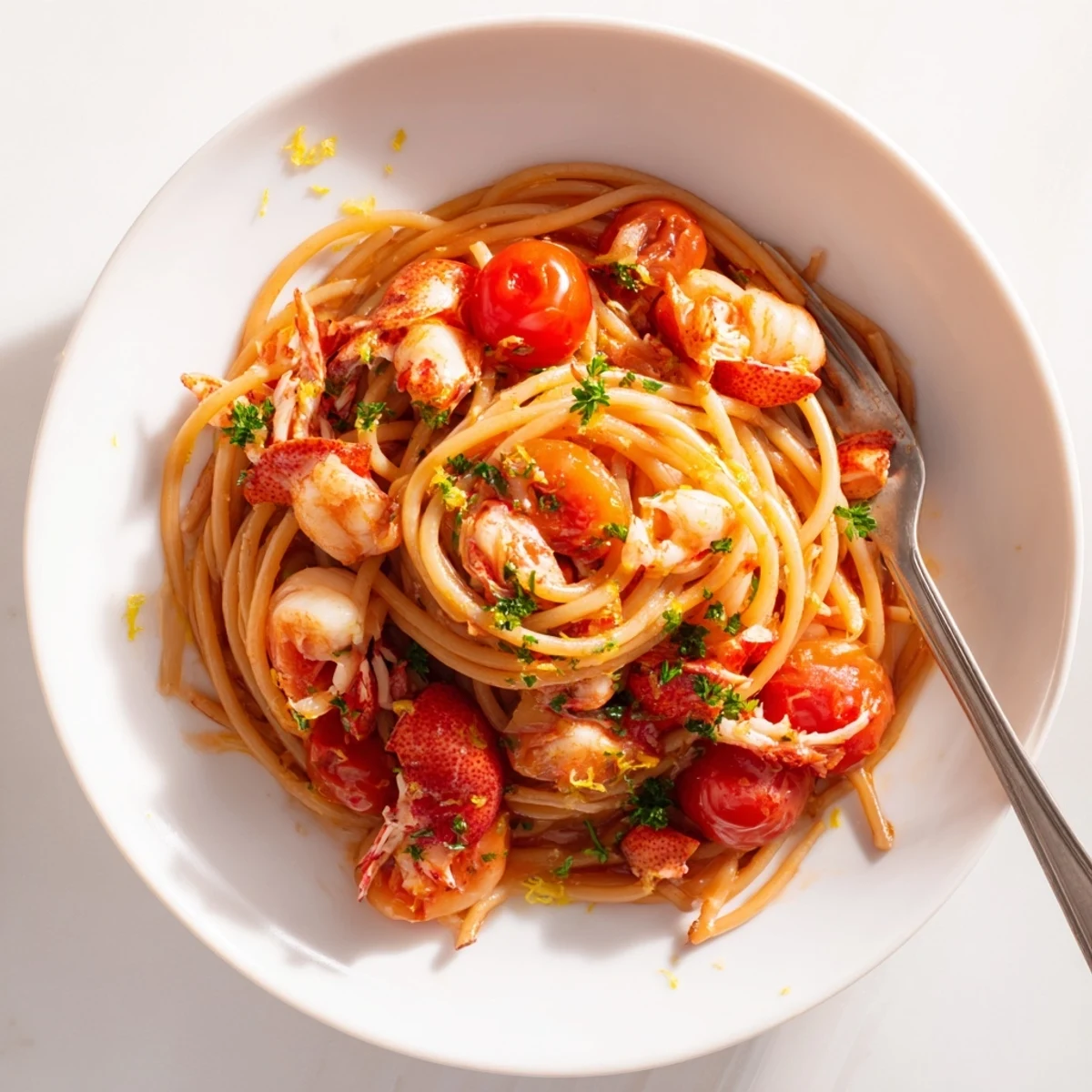
 This luxurious Italian-inspired dish combines tender lobster meat with hollow bucatini pasta, all coated in a silky sauce of garlic, cherry tomatoes, and white wine. The preparation involves briefly boiling live lobsters, cooking the pasta to al dente perfection, and creating a fragrant sauce with shallots, garlic, and tomatoes. The lobster is gently warmed in the sauce before tossing with the pasta, resulting in a restaurant-quality dish perfect for special occasions or weekend entertaining.
The first time I made lobster pasta at home, I stood over the pot convinced Id ruined something expensive. The lobsters turned bright red and my tiny apartment filled with that unmistakable coastal smell. I almost called for takeout instead. But one bite of those tender chunks nestled in the sauce changed everything—restaurant quality happens in messy home kitchens too.
I served this on a Tuesday night to friends who had driven through terrible traffic to get there. They were tired and hungry and I was nervous about the timing. The moment that pasta hit the table, nobody spoke for five minutes—just the sound of forks clinking against plates and someone saying oh my god under their breath.
Ingredients
- Live lobsters: Cooking them yourself yields the sweetest most tender meat but store bought cooked meat works perfectly when time is tight
- Bucatini pasta: These thick spaghetti like tubes have a hollow center that grabs sauce better than any other noodle shape
- Cherry tomatoes: They burst gently in the sauce creating little pockets of sweetness that balance the briny lobster
- White wine: Something dry and crisp cuts through the richness while building depth in the pan sauce
- Lobster or seafood stock: If you boiled the lobsters yourself use that liquid—its liquid gold and nothing tastes more authentic
- Butter: Just two tablespoons finish the sauce into something velvety and glossy that clings to every strand
Instructions
- Prep the lobster:
- Drop live lobsters into boiling salted water for 5 to 6 minutes until they turn that impossible bright red. Transfer to an ice bath to stop cooking then crack the shells and remove all the meat from claws tail and knuckles. Chop into bite size pieces.
- Boil the pasta:
- Cook bucatini in heavily salted water until just shy of al dente. Scoop out a half cup of starchy pasta water before draining—this liquid will become your secret weapon for silkiness later.
- Build the base:
- Heat olive oil in a large skillet over medium heat. Add garlic and shallot and let them soften for about 2 minutes until the kitchen smells amazing and you can see them turning translucent.
- Add tomatoes and heat:
- Toss in cherry tomatoes and red pepper flakes. Cook for 4 to 5 minutes stirring occasionally until the tomatoes start to blister and collapse releasing their juices into the oil.
- Simmer with wine and stock:
- Pour in the white wine and let it bubble for 2 minutes while scraping up any flavorful bits from the bottom. Add the stock and simmer another 3 minutes to reduce slightly.
- Finish the sauce:
- Stir in butter lemon zest and lemon juice until melted and glossy. Gently fold in the lobster meat just to warm through—overcooking here would be a tragedy. Season with salt and plenty of black pepper.
- Bring it together:
- Add the drained pasta to the skillet and toss everything together. Splash in some of that reserved pasta water as needed until the sauce coats each strand beautifully.
- Serve immediately:
- Remove from heat and stir in fresh parsley. Divide among warm plates and bring to the table while steam is still rising from the noodles.
 Pin it
 My partner who swore they hated seafood asked for seconds and then went back for a third small bowl. Watching someone completely change their mind about an ingredient over one dinner—thats the kind of cooking memory that sticks with you longer than the meal itself.
Making Ahead
You can cook the lobster and remove the meat up to a day in advance storing it tightly wrapped in the refrigerator. The sauce base can also be prepared ahead and gently reheated but pasta must be cooked just before serving or it will absorb all the liquid.
Wine Pairings
A crisp Pinot Grigio or Vermentino works beautifully because the acidity cuts through the buttery richness. Something with mineral notes complements the sweetness of the lobster without overpowering those delicate shellfish flavors.
Leftovers and Storage
This dish is best eaten immediately but leftover lobster pasta can be stored in an airtight container for up to two days. Reheat very gently with a splash of water or extra stock to loosen the sauce again.
- The pasta will absorb liquid overnight so dont be afraid to add more moisture when reheating
- Never microwave lobster on high or it will turn rubbery and tough
- Consider transforming leftovers into a completely different dish like lobster mac and cheese
 Pin it
 Some nights deserve pasta from a box and other nights deserve this and somehow you will know exactly which one is needed without overthinking it at all.
Recipe FAQs
- → Can I use pre-cooked lobster meat?
-
Yes, you can substitute 12 oz of cooked lobster meat. Simply add it during step 6 to warm through gently in the sauce, being careful not to overcook.
- → What pasta works best as a bucatini substitute?
-
Spaghetti or linguine make excellent alternatives. The thick sauce clings beautifully to these long strands, though bucatini's hollow center does capture extra sauce.
- → How do I store leftovers?
-
Store in an airtight container in the refrigerator for up to 2 days. Reheat gently over low heat, adding a splash of pasta water to restore the silky sauce consistency.
- → Can I make this dish ahead of time?
-
Prepare the lobster meat and sauce components separately up to a day in advance. Cook the pasta fresh and combine everything just before serving for the best texture.
- → What white wine pairs well with this dish?
-
Pinot Grigio, Vermentino, or a crisp Sauvignon Blanc complement the rich lobster and bright tomato flavors. Use the same wine for cooking and serving.
