
 Pin it
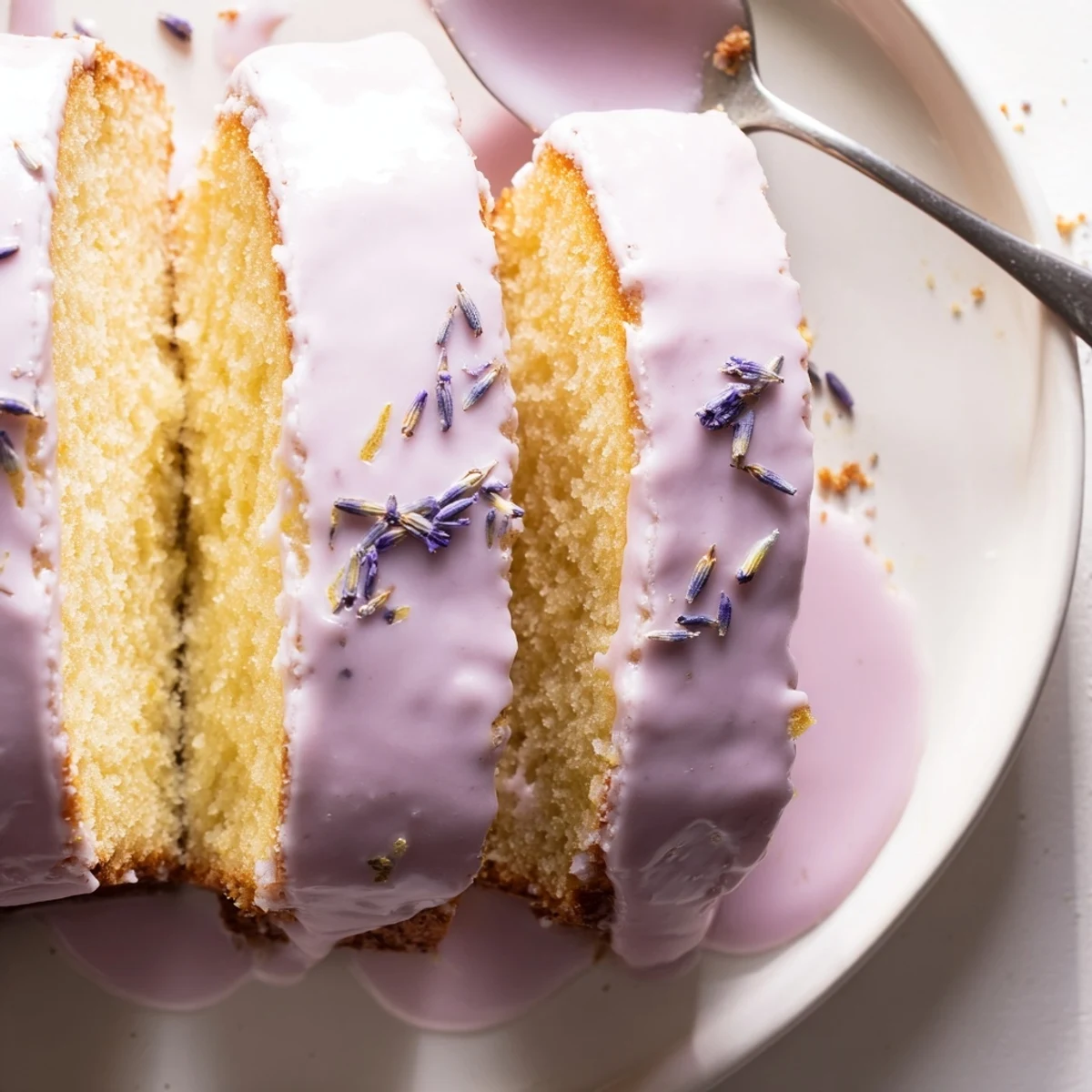
 This elegant lavender glaze brings subtle floral sweetness to your favorite baked goods. The infusion process extracts delicate lavender flavors into warm milk, which is then whisked with powdered sugar for a silky, pourable consistency. Perfect for elevating simple cakes, scones, or cookies into something special. The addition of optional lemon juice adds brightness that complements the floral notes beautifully.
Standing in my friend Sarah's herb garden in Provence last spring, watching bees hover between rows of purple lavender, I never thought I'd be brewing flowers into frosting. She handed me a small jar of dried buds from her harvest and insisted I try infusing them into something sweet back home. The first time I made this glaze, my kitchen smelled like an open field in full bloom, and suddenly I understood why lavender has belonged in French pastries for centuries.
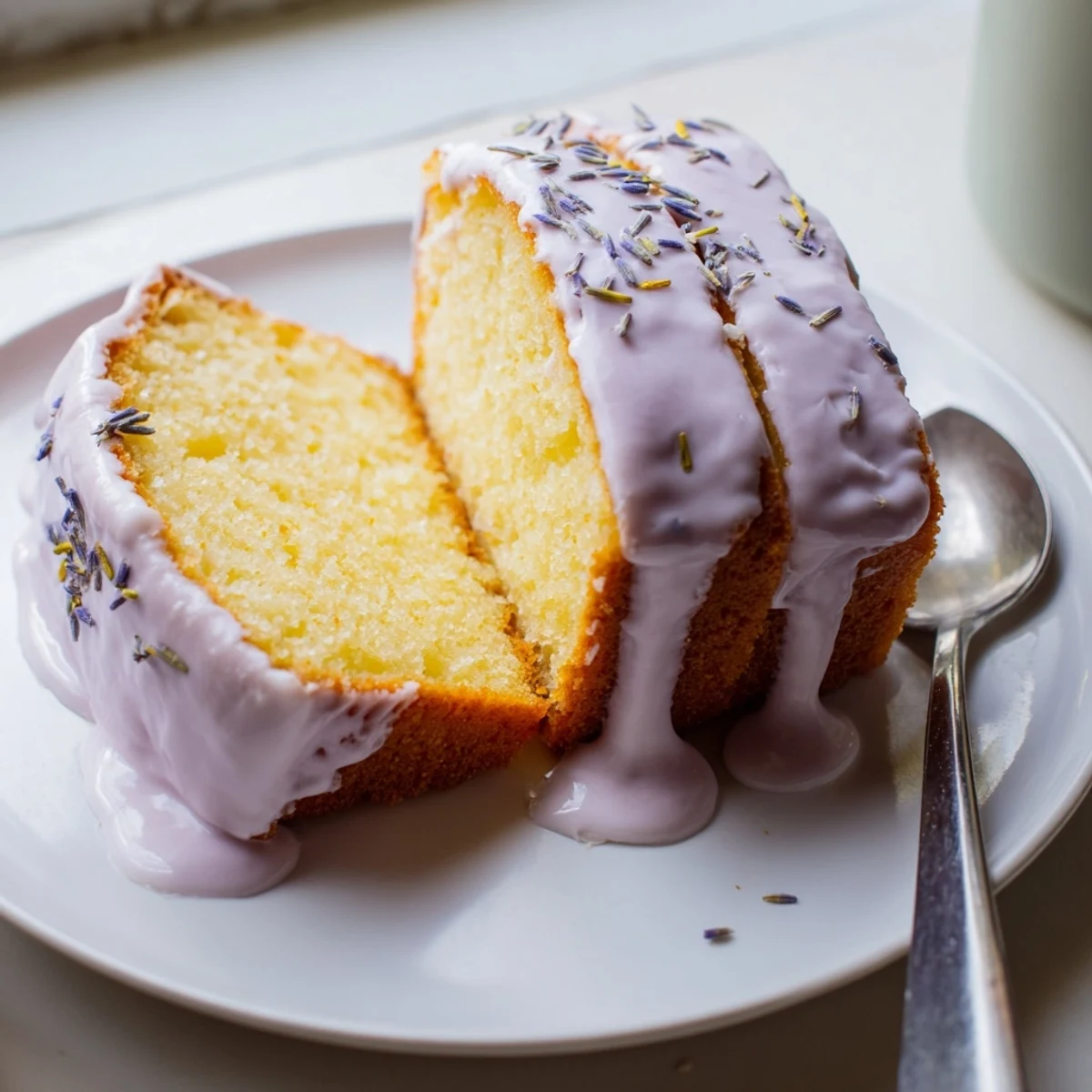
Last month I drizzled this over a simple lemon pound cake for my book club, and suddenly everyone was asking for the recipe instead of discussing the book. One friend admitted she usually hates floral desserts but kept going back for just one more thin slice. There is something magical about watching that glossy purple-white blanket settle over a warm scone, knowing you made something that looks like it belongs in a bakery window.
Ingredients
- Dried culinary lavender: Only buy flowers labeled specifically for cooking, as ornamental lavender may have been treated with pesticides
- Whole milk: The fat content carries the lavender flavor better than skim, though any milk works in a pinch
- Powdered sugar: Creates that smooth pourable consistency that granulated sugar just cannot achieve
- Lemon juice: Just a teaspoon cuts through the floral sweetness so it does not taste like you are eating perfume
Instructions
- Infuse the milk:
- Gently heat the milk with lavender until steam rises, then let it steep like tea to capture all those fragrant oils
- Strain and cool:
- Pour the infused milk through a fine mesh strainer to remove all the little buds and bits
- Whisk the glaze:
- Combine powdered sugar with your lavender milk, adding just enough to reach a thick but pourable consistency
- Adjust the texture:
- Add more milk if it is too thick or more sugar if it is too runny until it coats a spoon beautifully
- Finish and set:
- Drizzle over your cooled baked goods and let it harden slightly before serving
 Pin it
 My daughter now requests this glaze on her birthday cake every year, and I have started giving little jars of dried lavender as gifts so friends can make their own. Somehow something so simple became one of those small traditions that make a house feel like home.
Choosing Your Lavender
I once bought lavender from a craft store because it was cheaper, and the resulting glaze tasted like soap and disappointment. Culinary lavender is grown specifically for eating and has a milder, sweeter profile than the varieties meant for sachets and potpourri. Look for buds that are still purple and fragrant rather than brown and dusty.
Getting the Consistency Right
The first time I made this, I ended up with glaze thick enough to spread like butter because I was afraid to add too much liquid. Now I start with less milk than the recipe calls for and add it drop by drop, watching how the glaze falls off the whisk. You want it to slowly drip off in a steady stream rather than pour off like water or sit there like paste.
Serving Ideas That Work
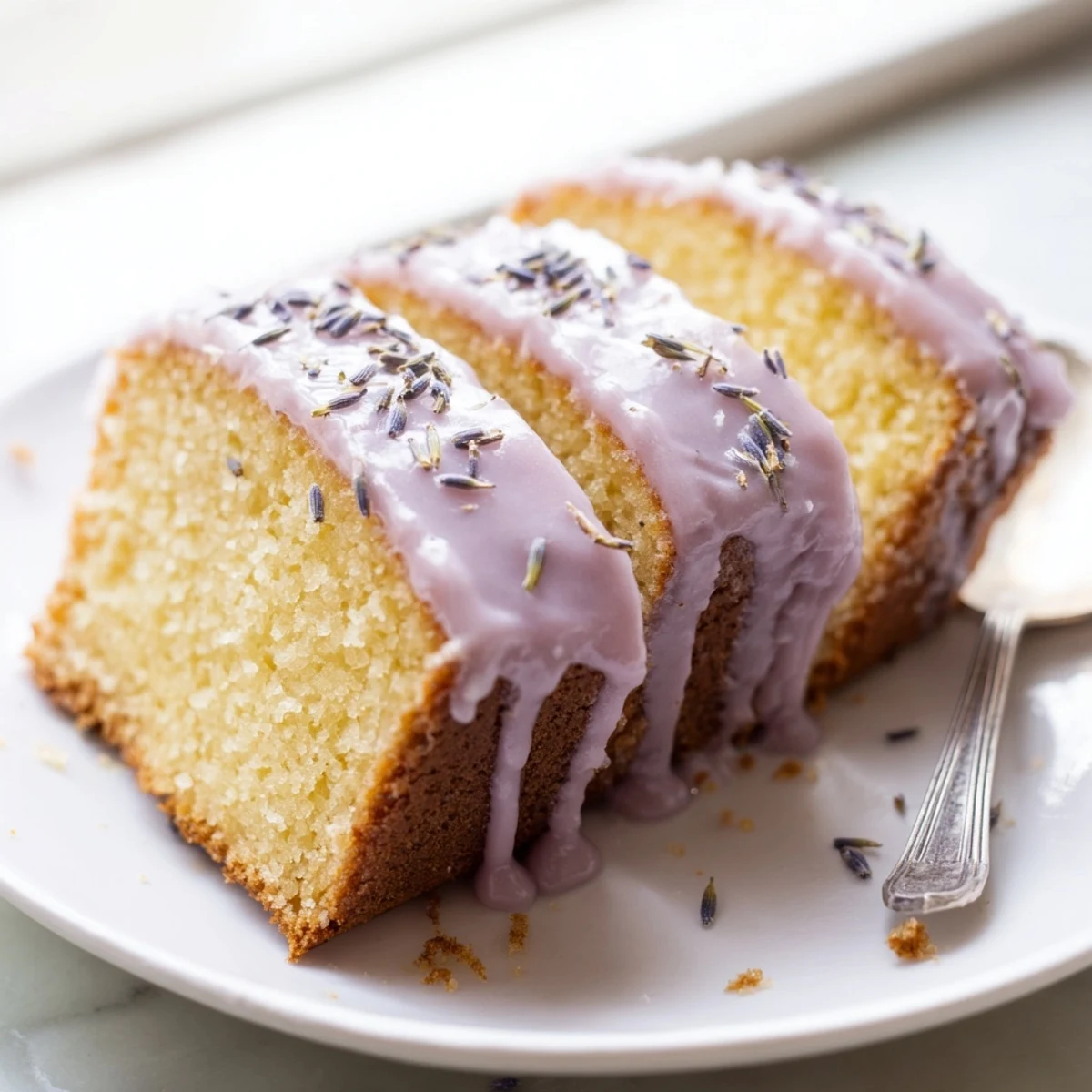
This glaze has saved more last minute desserts than I care to admit. A plain sponge cake becomes extraordinary, basic sugar cookies turn elegant, and even store bought scones taste homemade with a generous drizzle. I have also used it to frost cinnamon rolls and as a dip for fresh fruit when guests arrive unexpectedly.
- Make the lavender milk a day ahead and keep it refrigerated for even deeper flavor
- A drop of natural purple food coloring makes this look absolutely stunning on white cakes
- If you accidentally make it too thin, just whisk in another quarter cup of powdered sugar
 Pin it
 Now my pantry always has a small jar of dried lavender tucked behind the flour, ready for those moments when something ordinary needs to become lovely.
Recipe FAQs
- → Can I use fresh lavender instead of dried?
-
Fresh lavender can be used, but dried culinary lavender is preferred as it has a more concentrated flavor. If using fresh, triple the amount and ensure it's pesticide-free.
- → How should I store leftover glaze?
-
Store in an airtight container at room temperature for up to 2 days. For longer storage, refrigerate for up to a week. Bring to room temperature and whisk before using.
- → What if the glaze is too thick or thin?
-
Add more lavender milk, one teaspoon at a time, to thin. To thicken, incorporate additional powdered sugar gradually until you reach the desired consistency.
- → Can I make this without milk?
-
Yes, substitute with almond milk, oat milk, or coconut milk for a dairy-free version. The flavor profile will remain similar.
- → What pairs well with lavender glaze?
-
Lemon or vanilla cakes, buttery scones, sugar cookies, and pound cakes work beautifully. The floral notes also complement berry-based desserts.
