
 Pin it
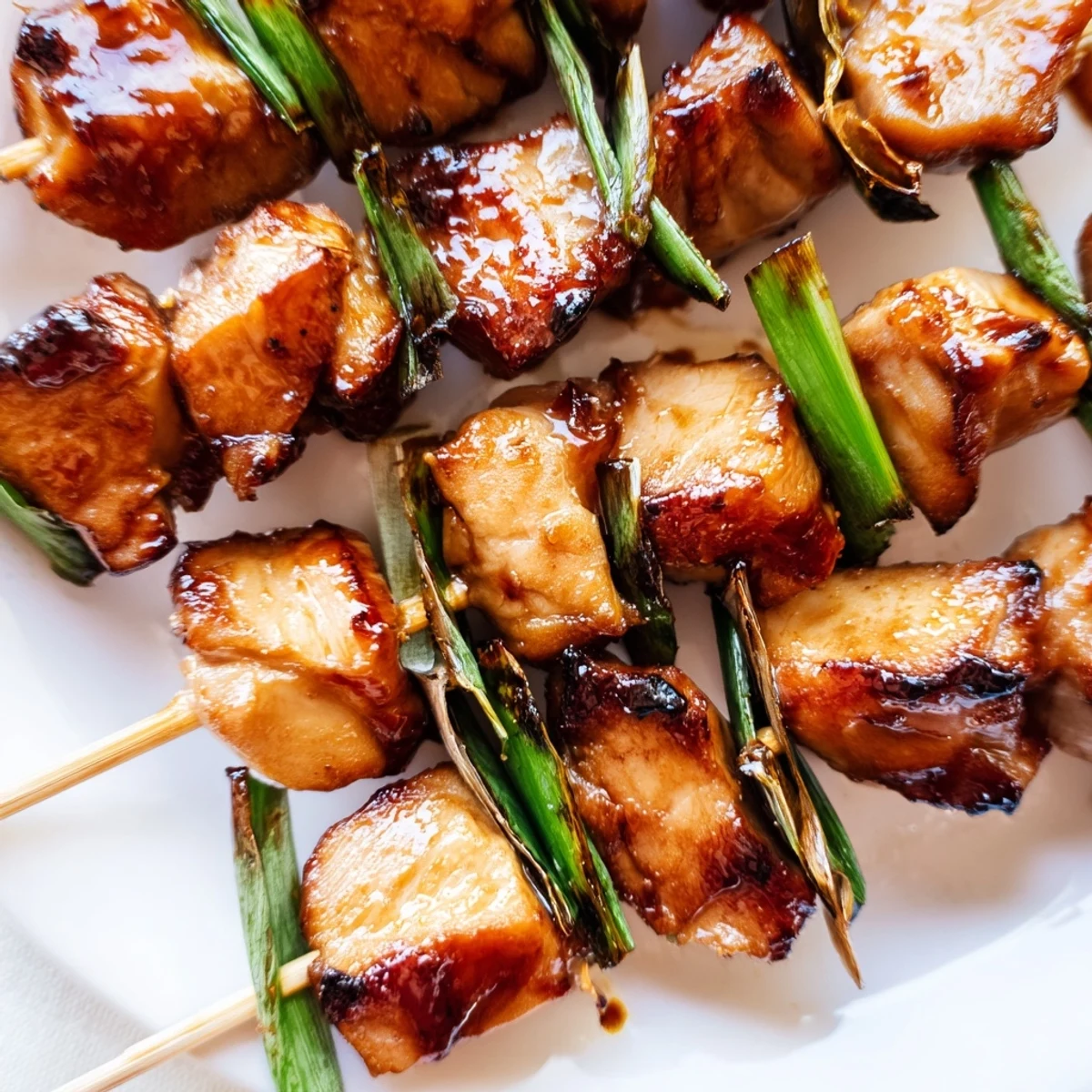
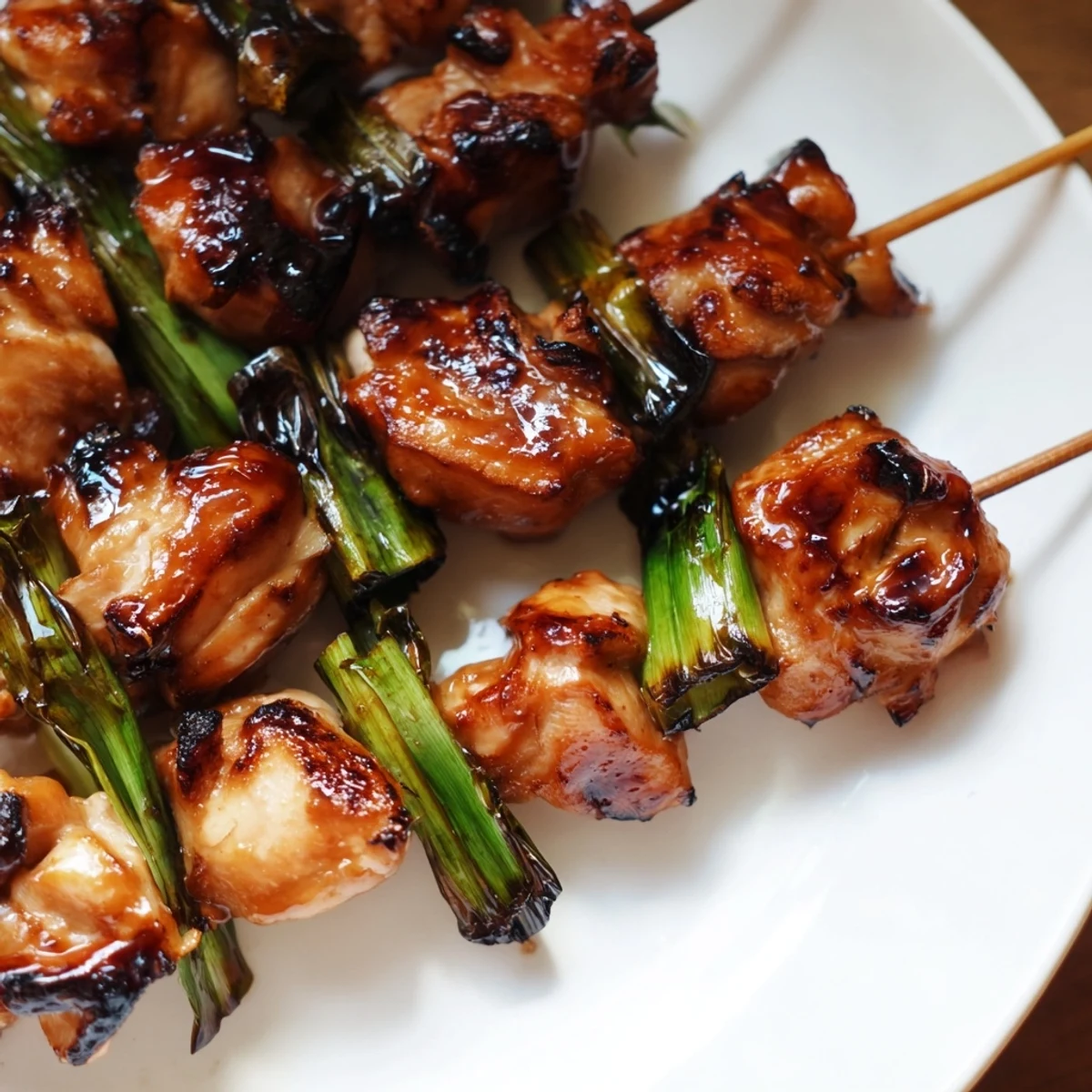
 These authentic yakitori skewers feature tender chicken thighs alternated with spring onions, basted in a rich homemade tare sauce. The glaze combines soy sauce, mirin, sake, and aromatics for that signature Japanese flavor profile. Grill over medium-high heat, turning frequently and brushing with sauce until the chicken is cooked through and beautifully lacquered. Perfect for entertaining or a satisfying weeknight meal.
The first time I had proper yakitori was at this tiny hole-in-the-wall izakaya in Tokyo where the chef cooked everything over charcoal right in front of us. The smell of those skewers hitting the grill was intoxicating, sweet and savory smoke curling up to the ceiling. I spent months trying to recreate that glossy, caramelized coating in my home kitchen, ruining countless batches of sauce until I finally understood the rhythm of basting and turning.
Last summer I made these for a backyard gathering, standing by the grill with a cold beer in one hand and a basting brush in the other. My friends kept wandering over, drawn by the smell, and I had to keep shooing them away while the skewers developed that perfect glossy finish. We ended up eating standing up around the grill because nobody wanted to wait for a proper table setting.
Ingredients
- Chicken thighs: Boneless thighs have the perfect fat content for grilling, keeping the meat moist while developing crispy edges. Cutting them into uniform cubes ensures even cooking.
- Spring onions: These char beautifully alongside the chicken, adding sweet, mild onion flavor. Cut them the same size as your chicken pieces for balanced bites.
- Bamboo skewers: Soaking them for at least 30 minutes prevents burning on the grill. Metal skewers work too but bamboo feels more authentic and is easier to handle.
- Soy sauce: The foundation of your tare, providing deep umami and saltiness. Use a good quality Japanese soy sauce for the cleanest flavor.
- Mirin and sake: These Japanese cooking wines create that characteristic sweet-savory balance. The alcohol burns off during cooking, leaving behind complex sweetness.
- Sugar: Essential for creating that glossy, caramelized coating. The sugar dissolves into the sauce and creates beautiful char marks on the grill.
- Garlic and ginger: Aromatic background notes that perfume the sauce without overwhelming. Infuse them during simmering then remove for a smooth glaze.
Instructions
- Make the tare sauce:
- Combine all sauce ingredients in a small saucepan and bring to a boil over medium heat. Reduce heat and simmer for 8 to 10 minutes until the sauce coats the back of a spoon. Remove from heat and fish out the garlic and ginger pieces.
- Prep the skewers:
- Thread chicken and spring onion pieces onto your soaked skewers, alternating between meat and onion. Leave a little space between pieces so heat can circulate and the sauce can coat everything evenly.
- Get the grill ready:
- Preheat your grill or grill pan to medium-high and lightly oil the grates. The heat should be high enough to create good grill marks but not so hot that the sauce burns immediately.
- Grill and baste:
- Cook the skewers for 3 minutes on each side, brushing with sauce after every turn. Keep turning and basting for 6 to 8 more minutes until the chicken is cooked through and the coating is glossy and caramelized.
- Serve immediately:
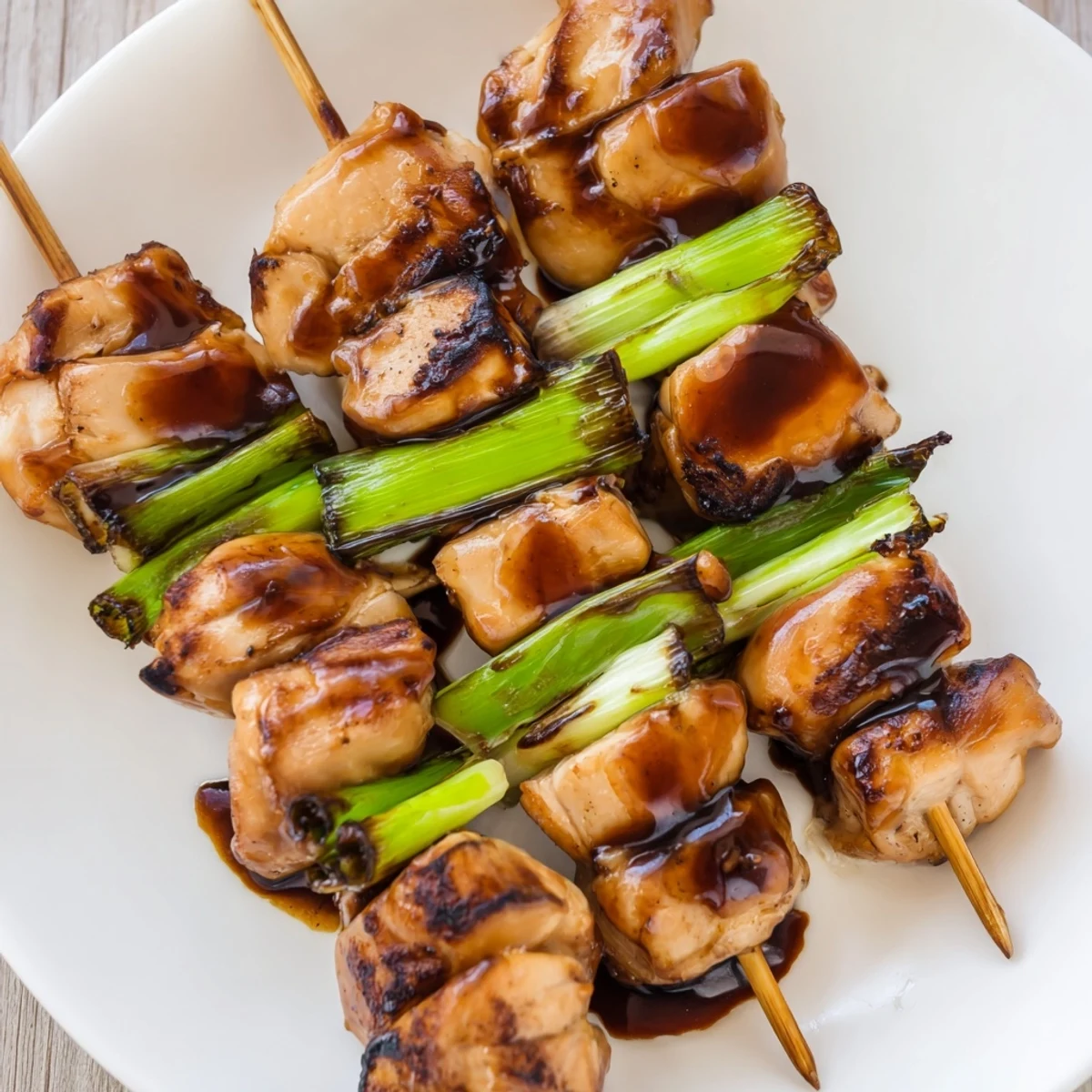
- Arrange the skewers on a platter and drizzle with any remaining sauce. Yakitori is best eaten hot off the grill while the skin is still crispy and the sauce is sticky.
 Pin it
 These skewers have become my go-to for casual dinners because they bring people to the kitchen the moment they hit the heat. Something about grilled food on sticks just makes everyone relax and gather around.
Getting The Grill Temperature Right
Medium-high heat is the sweet spot for yakitori. Too hot and the sugar in your sauce will burn before the chicken cooks through. Too low and you will not get those beautiful caramelized edges. If you are unsure, test with one skewer first and adjust the heat as needed.
Building Better Skewers
Do not crowd the pieces on each skewer or they will steam instead of grill. I usually put about 4 to 5 pieces per skewer, leaving small gaps between them. This lets the heat reach all sides and gives you more surface area for that precious tare sauce to cling to.
Perfecting The Basting Technique
The key is to brush on the sauce during the last few minutes of cooking, not at the beginning. Early basting can cause the sugar to burn before the meat is done. I keep my sauce in a small bowl near the grill and apply thin, even layers with each turn, building up that glossy finish gradually.
- Keep a small bowl of water nearby to dip your brush if the sauce starts getting too thick
- Double-skewer difficult pieces by running two parallel skewers through each piece of chicken for easier turning
- Let the skewers rest for just 1 minute after grilling so the sauce sets slightly before serving
 Pin it
 There is something deeply satisfying about eating food off sticks, maybe because it reminds us of street food and casual gatherings. These yakitori always turn an ordinary weeknight into something that feels like a celebration.
Recipe FAQs
- → What cut of chicken works best?
-
Chicken thighs are ideal for yakitori because their higher fat content keeps the meat moist during grilling. Thighs also hold up better to frequent basting and high heat. Chicken breast can be used as a leaner alternative, though it may dry out more quickly.
- → Can I make yakitori without a grill?
-
A grill pan or cast-iron skillet works beautifully for indoor cooking. The key is getting good contact with the hot surface to achieve those charred edges. You can also broil the skewers in your oven, turning and basting frequently.
- → Why soak bamboo skewers before grilling?
-
Soaking prevents bamboo skewers from burning and scorching over the heat. A 30-minute soak in water is sufficient. Metal skewers are a reusable alternative that doesn't require soaking.
- → How do I know when the yakitori is done?
-
The chicken should reach an internal temperature of 74°C (165°F). Visually, you'll see caramelized edges and a glossy, sticky coating from the reduced sauce. The meat should feel firm but springy when pressed.
- → What can I serve with yakitori?
-
Traditional accompaniments include steamed white rice, pickled vegetables (tsukemono), and a crisp cabbage salad. Cold sake or Japanese beer make perfect beverage pairings. For a complete meal, add miso soup and a simple green salad.
- → Can I make the sauce ahead of time?
-
Yes, the tare sauce keeps well in the refrigerator for up to two weeks. Store it in an airtight container and bring to room temperature before using. The flavors often develop and deepen after a day or two.
