
 Pin it
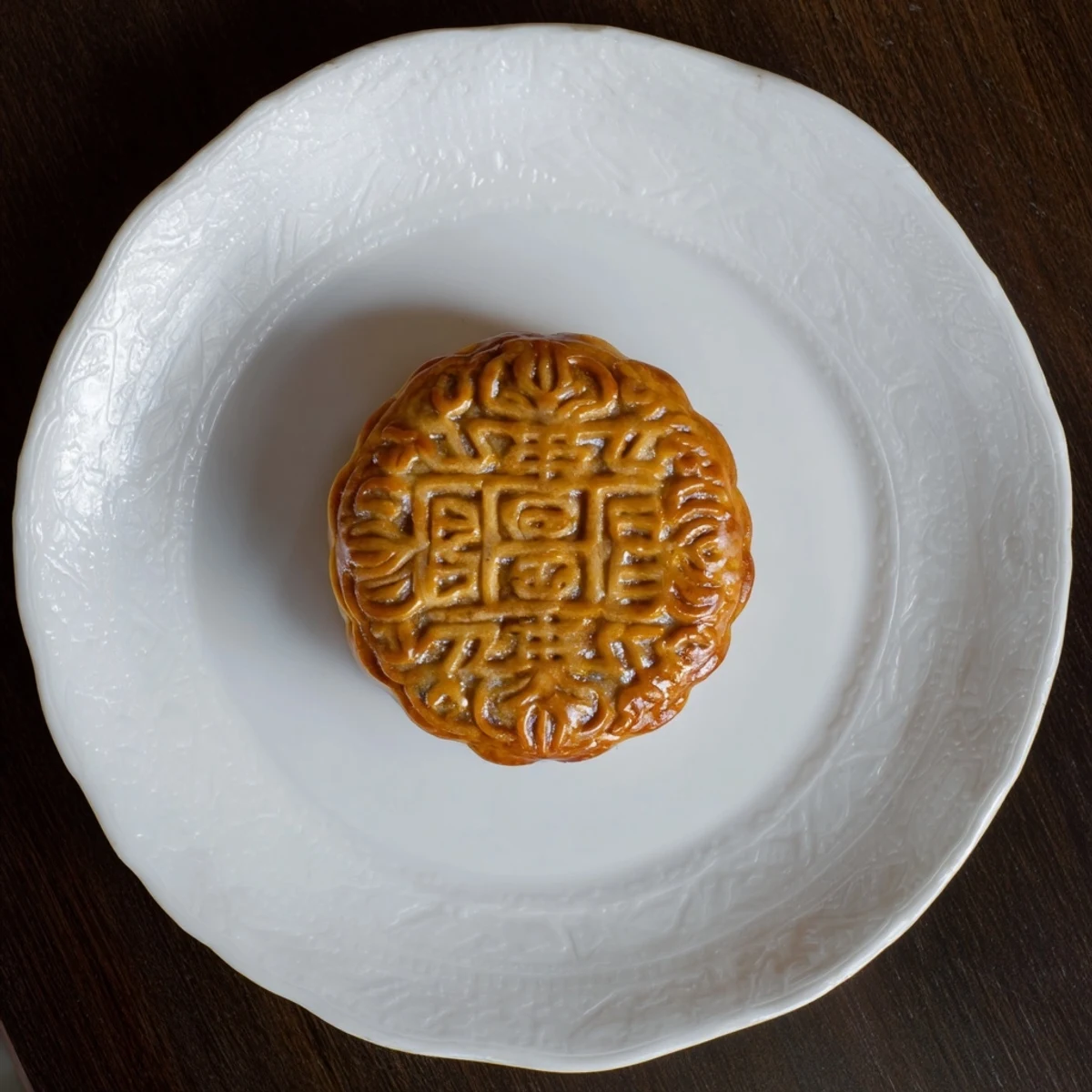
 These traditional Chinese mooncakes feature a delicate, golden pastry enveloping smooth sweet lotus seed paste, with the optional richness of salted egg yolk centers. The dough requires a resting period to achieve the characteristic tender texture, while the molded patterns create the iconic decorative appearance. After baking to a beautiful golden finish, these pastries improve in flavor and texture when allowed to rest for a day, making them ideal for preparing ahead of Mid-Autumn Festival celebrations.
My first mooncake attempt ended in disaster—I wrapped the filling too thick and the dough cracked open like surprise packages. Now I understand why patience matters with these delicate pastries. The golden syrup needs time to work its magic on the flour, creating that signature tender crust. Every autumn when I smell the lotus paste toasting in the oven, I remember how my grandmother's kitchen filled with the same buttery aroma during Mid-Autumn Festival preparations.
Last year I made thirty mooncakes for our family gathering, staying up past midnight with golden syrup streaked across my forearms. My uncle admitted hed been eating store-bought ones for decades because he thought homemade was too difficult. Watching him carefully inspect the intricate mold patterns on each cake made every flour-dusted moment worth it.
Ingredients
- Golden syrup: This inverted sugar syrup keeps the pastry moist and creates that characteristic glossy finish
- Alkaline water: Essential for achieving the right texture and that classic golden brown color
- Lotus seed paste: Store-bought saves hours but homemade gives you control over sweetness levels
- Salted egg yolks: Optional but they create that beautiful rich center everyone secretly fights over
Instructions
- Mix the wet ingredients:
- Whisk the golden syrup, vegetable oil, and alkaline water until completely incorporated
- Form the dough:
- Add flour and stir until just combined, then cover tightly and walk away for 2 hours
- Prepare the filling:
- Divide lotus paste into 40 g portions, wrapping each optional egg yolk like a hidden treasure
- Shape the cakes:
- Flatten dough discs, tuck filling inside, and press firmly into your dusted mooncake mold
- Bake to golden:
- Bake 5 minutes, brush gently with egg wash, then finish until deep golden brown
 Pin it
 When I finally served those first successful mooncakes after their two-day rest, my aunt said they tasted exactly like the ones from the bakery in Chinatown she visited as a child. That comparison meant everything because she hasnt been back there in thirty years. Food really does carry memories across generations.
Working With Mooncake Molds
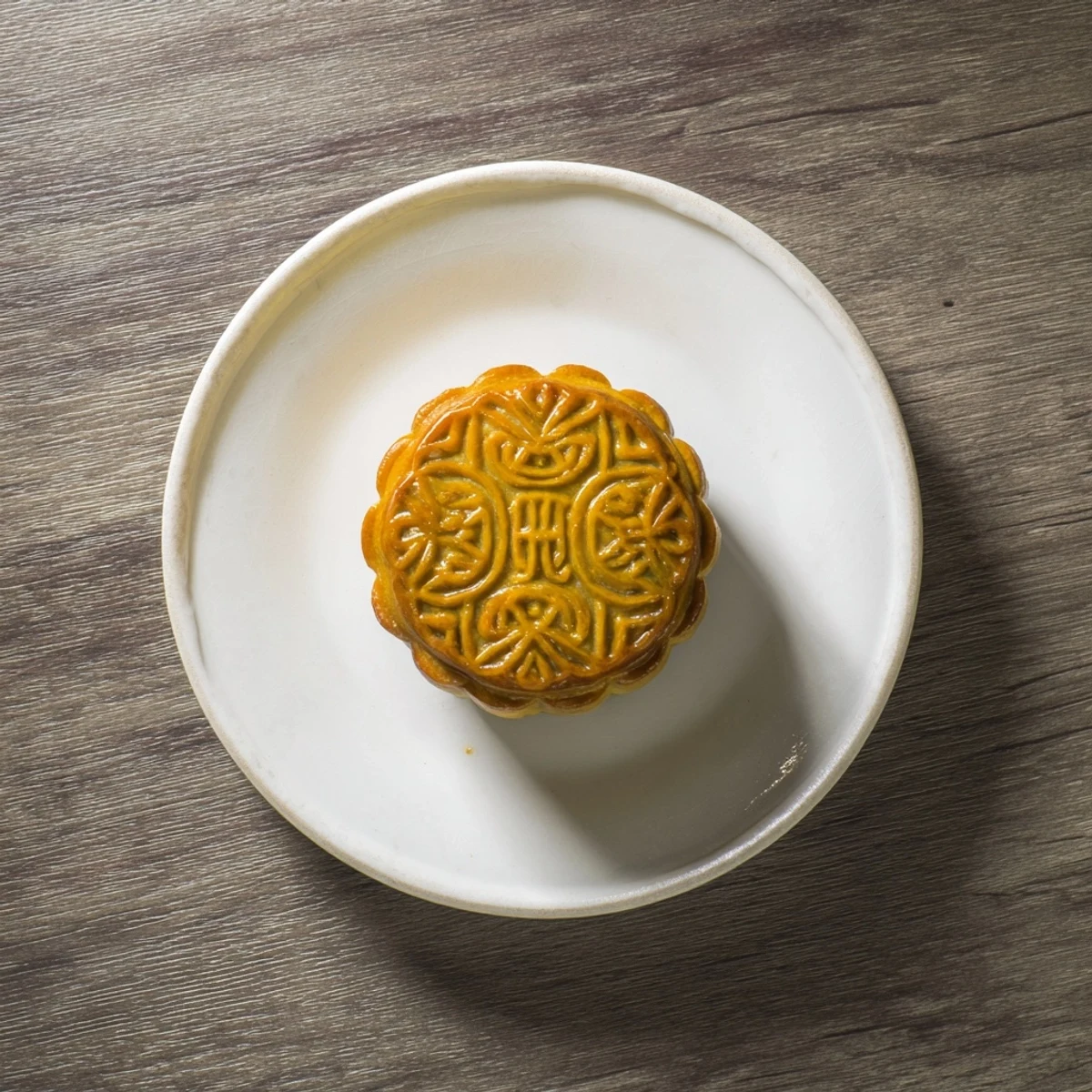
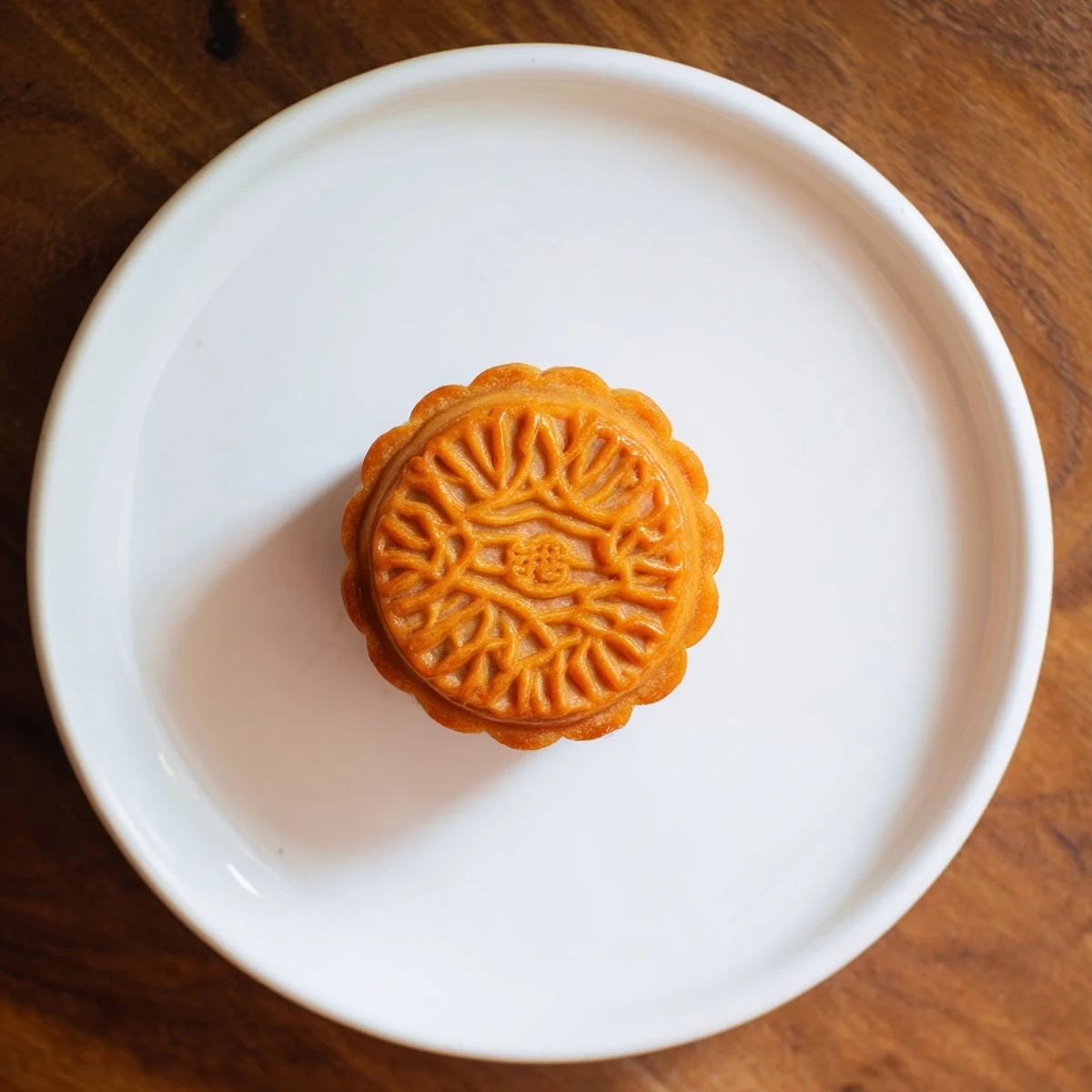
Traditional wooden molds need extra flour dusting but create the most detailed imprints. Modern plastic ones release more easily but sometimes produce shallower patterns. I keep both types handy because each design tells a different story on the finished pastry surface.
Understanding Alkaline Water
This ingredient might seem intimidating but it's crucial for the chemistry of mooncake dough. It neutralizes acid in the syrup and helps browning. Substituting it with baking soda dissolved in water never gives quite the same tender crumb or authentic color.
Storage and Serving Wisdom
Mooncakes improve dramatically after 24-48 hours as the pastry softens and flavors meld. Keep them in airtight containers at room temperature, never the refrigerator which makes the crust tough. Serve them with strong tea to cut through the richness.
- Cut them into small wedges because they're incredibly rich
- Bring them to room temperature before serving for the best texture
- Pair with pu-erh or oolong tea for the traditional experience
 Pin it
 May your Mid-Autumn Festival be filled with perfectly molded mooncakes and the warmth of family gathered around the brightest moon of the year.
Recipe FAQs
- → Why must the dough rest for 2 hours?
-
The resting period allows the flour to fully hydrate and the gluten to relax, which ensures the pastry remains tender and doesn't shrink during baking. This step is crucial for achieving the signature soft, mooncake texture.
- → Can I make mooncakes without a mold?
-
While traditional molds create the classic decorative patterns, you can shape them by hand into smooth rounds or use a decorative cookie press. The taste remains the same, though the appearance will differ from authentic bakery-style versions.
- → Why do mooncakes taste better after resting?
-
Resting allows the moisture from the filling to gradually soften the pastry, creating the characteristic tender, slightly chewy texture. This process also helps the flavors meld together beautifully.
- → What can I use instead of salted egg yolks?
-
Roasted macadamia nuts, walnuts, or chestnuts make excellent alternatives. You can also create pure lotus paste mooncakes without any center filling for a simpler version.
- → How long do homemade mooncakes stay fresh?
-
Stored in an airtight container at room temperature, they'll keep for up to 5 days. For longer storage, refrigerate for up to 2 weeks or freeze for up to 3 months.
- → Why is alkaline water used in the dough?
-
Alkaline water gives the pastry its characteristic golden color when baked and helps create the tender texture unique to mooncakes. It also neutralizes the acidity in the syrup.
