
 Pin it
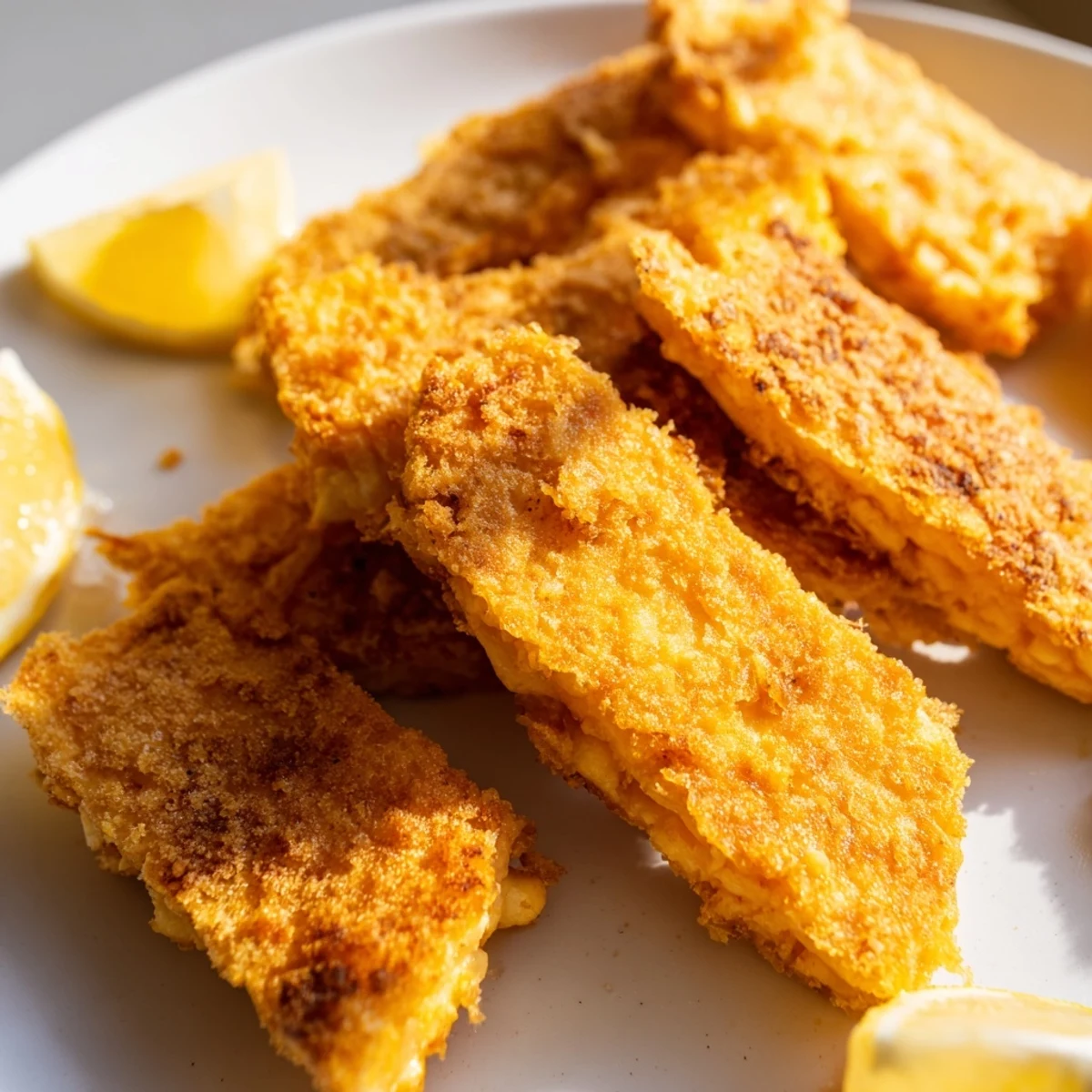
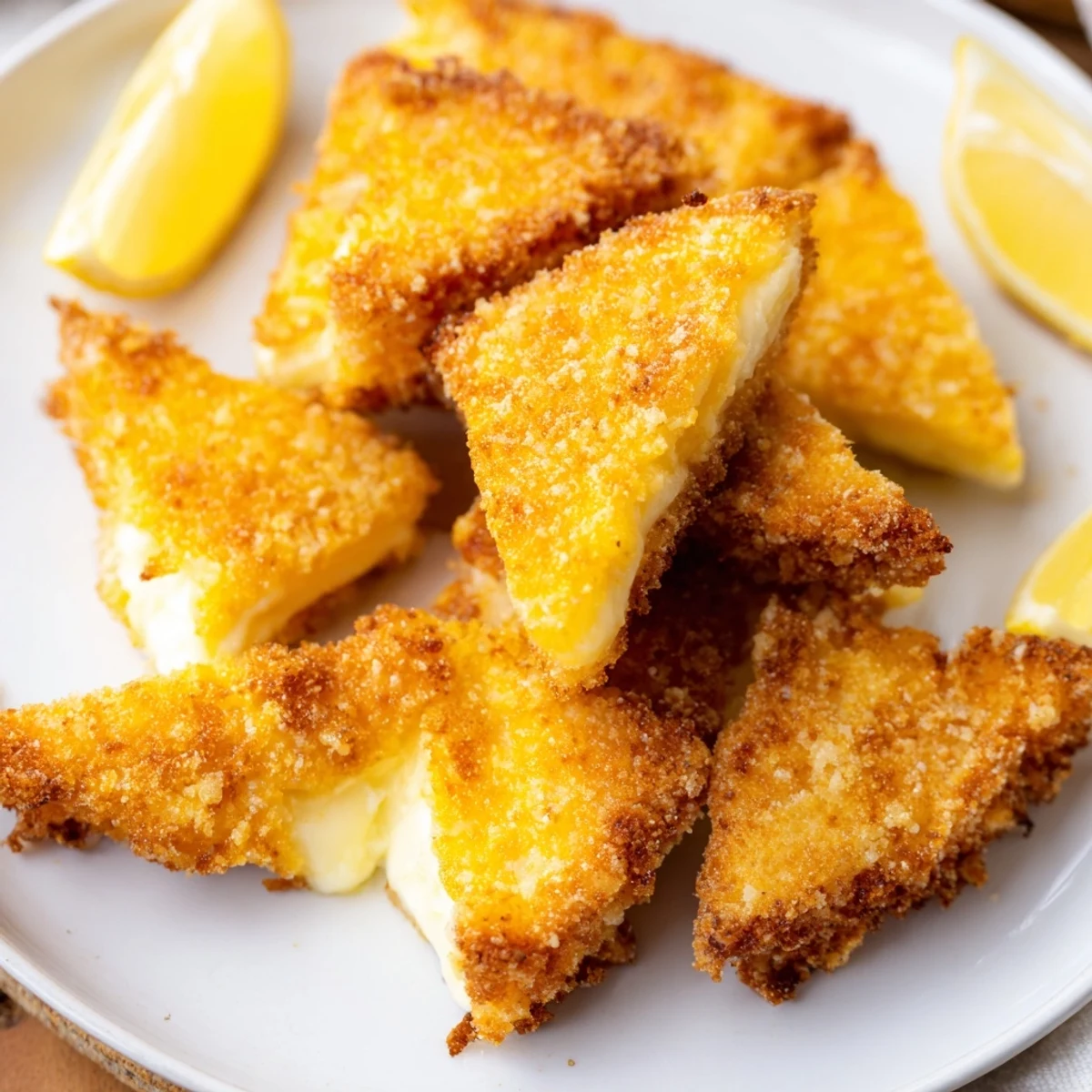
 Create this beloved Greek appetizer featuring firm cheese coated in seasoned flour and pan-fried to golden perfection. The exterior becomes irresistibly crispy while the interior stays beautifully melty, creating that signature texture contrast that makes Saganaki so beloved across Mediterranean cuisine.
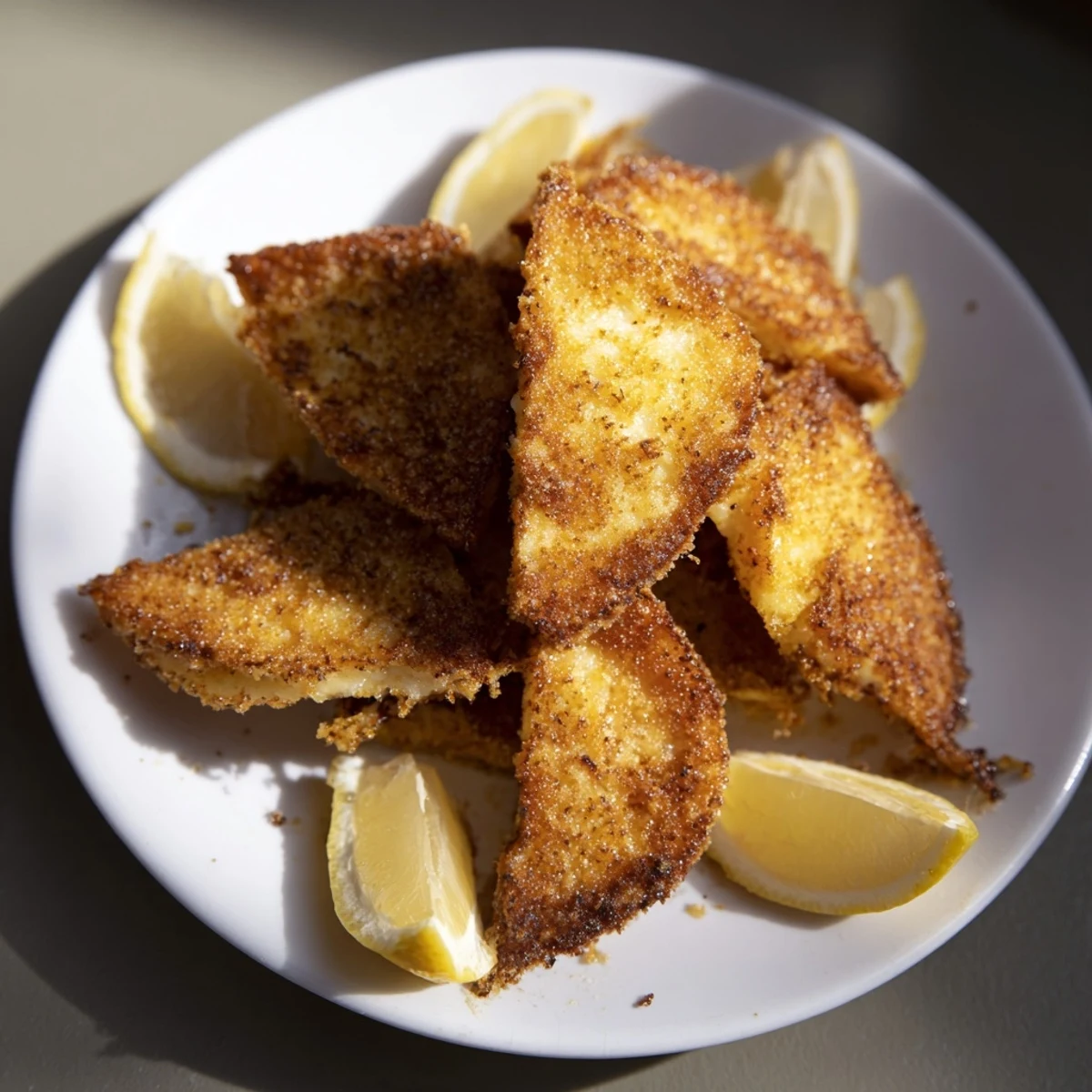
The preparation comes together quickly—slice your chosen firm Greek cheese, pat it dry, dredge in lightly seasoned flour, and fry in hot olive oil until both sides achieve that perfect golden crust. Serve immediately with fresh lemon wedges for squeezing over the hot, crispy squares.
Traditional Kefalotyri or Graviera provide the most authentic experience, though Halloumi and firm feta work wonderfully as alternatives. The dish pairs naturally with chilled white wine or ouzo for a complete Mediterranean meze experience.
The first time I encountered Saganaki was in a tiny taverna in Athens, where the waiter flambeed it tableside with a theatrical flourish that made half the restaurant turn their heads. But you know what? The stovetop version I learned to make at home creates that same golden, melty magic without the fire hazard. Something about the salty cheese hitting hot oil and developing that irresistible crunch while staying impossibly creamy inside just makes people gather around the kitchen.
I once made this for a dinner party where everyone was supposedly too full for appetizers, but the moment that golden cheese hit the table with its lemon wedges, suddenly forks appeared from nowhere. My friend Maria, who grew up eating the real deal in Thessaloniki, actually asked for the recipe. Thats when I knew this unassuming dish had some serious power.
Ingredients
- Firm Greek cheese: Kefalotyri and Graviera are the traditional choices for that perfect salty tang, but Halloumi works beautifully too and I have definitely made it with firm feta in a pinch
- Flour for coating: Gluten-free flour creates the same beautiful crust as regular flour, and honestly no one can tell the difference once its fried to golden perfection
- Extra virgin olive oil: This is not the time to be stingy with the good olive oil, since its practically a sauce here and adds that authentic Mediterranean flavor
- Fresh lemon wedges: The acid cuts through all that rich cheese and somehow makes the whole dish taste brighter and lighter than it has any right to
Instructions
- Prep the cheese:
- Cut your cheese into generous slices about half an inch thick and pat them thoroughly dry with paper towels, because any surface moisture will make the coating soggy instead of crispy
- Create the coating station:
- Spread your flour on a plate, season it with some freshly ground black pepper, and dredge each cheese slice until its evenly coated on both sides, shaking off any excess
- Get the oil sizzling hot:
- Heat that olive oil in a non stick skillet over medium high heat until its shimmering but not smoking, because too hot will burn the coating before the cheese warms through
- Fry to golden perfection:
- Carefully add the cheese slices and let them fry undisturbed for 1 to 2 minutes per side until they are deeply golden and crisp, then transfer immediately to paper towels
- Serve while its still molten:
- Get these to the table straight away while the cheese is still soft and gooey inside, with plenty of lemon wedges for squeezing over the top
 Pin it
 This dish has become my go to when I need something that feels special but requires zero advanced preparation. There is something almost primal about how good hot fried cheese tastes, like it bypasses all the sophisticated parts of your brain and goes straight to comfort.
Choosing The Right Cheese
I have learned through trial and error that softer cheeses just do not work here no matter how much you want them to. The cheese needs to be firm enough to hold its shape in the hot oil, which is why Kefalotyri and Graviera are the gold standard. Halloumi is a fantastic alternative that is easier to find, and I have even had success with aged Kashkaval when I was feeling adventurous.
The Secret To Perfect Crispiness
The difference between good Saganaki and great Saganaki comes down to not crowding the pan. Each piece needs room to breathe and develop that golden crust, so do what you need to do in batches. I promise the first batch will still be plenty hot when you are ready to serve everything together.
Serving Suggestions That Work
While lemon is the classic finish, I have discovered that a drizzle of honey over the hot cheese creates this incredible sweet and salty situation that makes people go quiet. A sprinkle of dried oregano adds an herby note that somehow grounds all the richness.
- Chilled white wine or ouzo are the traditional accompaniments and they really do balance the dish perfectly
- Some crusty bread to soak up any escaping melted cheese is practically mandatory
- This works as an appetizer, a light main with a salad, or even a late night snack
 Pin it
 There is something deeply satisfying about a dish that is this simple yet this universally loved, the kind of recipe that feels like it has been passed down through generations even if you just learned it yesterday.
Recipe FAQs
- → What type of cheese works best for frying?
-
Firm, high-quality Greek cheeses like Kefalotyri and Graviera are traditional choices because they hold their shape beautifully while developing a golden exterior and creamy interior. Halloumi and firm feta make excellent alternatives that create similar texture and flavor profiles.
- → Why should I pat the cheese dry before coating?
-
Removing surface moisture helps the flour adhere properly and creates that desirable crispy crust. Excess moisture can cause the coating to become soggy or slide off during frying, so take a moment to thoroughly pat each slice with paper towels before dredging.
- → How do I know when the cheese is perfectly fried?
-
Look for a deep golden color on both sides—this typically takes 1-2 minutes per side over medium-high heat. The cheese should feel firm and crispy when touched with tongs, and you'll notice a rich, nutty aroma indicating proper browning has occurred.
- → Can I prepare this ahead of time?
-
For optimal texture and flavor, serve immediately after frying while the exterior is at its crispiest and the interior is perfectly melty. You can slice and coat the cheese up to an hour beforehand, storing it covered in the refrigerator until you're ready to fry.
- → What should I serve alongside fried cheese?
-
Fresh lemon wedges are essential—their bright acidity cuts through the rich, fried perfection. For a complete meze experience, pair with crusty bread, olives, tzatziki, or roasted vegetables. Chilled white wine or traditional ouzo complement the flavors beautifully.
- → Is this dish suitable for gluten-free diets?
-
Absolutely—simply substitute gluten-free all-purpose flour for the coating. Ensure your chosen flour blend is suitable for dredging and frying, as some gluten-free varieties may require adjustments to achieve optimal crispiness.
